Water Damage Restoration in Hiram, GA
Water inside a home creates several decisions at once. Hiram restoration starts with safe access, the source of the water and the materials that need removal or drying.
(888) 532-4616Discuss the damage indoorsDescribe the affected room and any ongoing leak so the next inspection can address the conditions at the property.
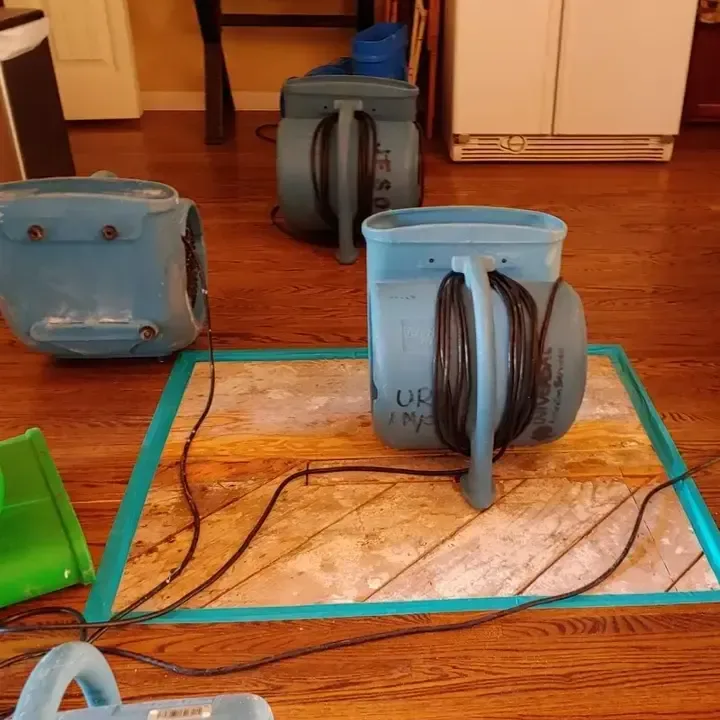
Different water sources need different restoration decisions
The visible symptom helps start the conversation. Each service below explains the source questions, concealed areas and material decisions that shape restoration after water enters a room.
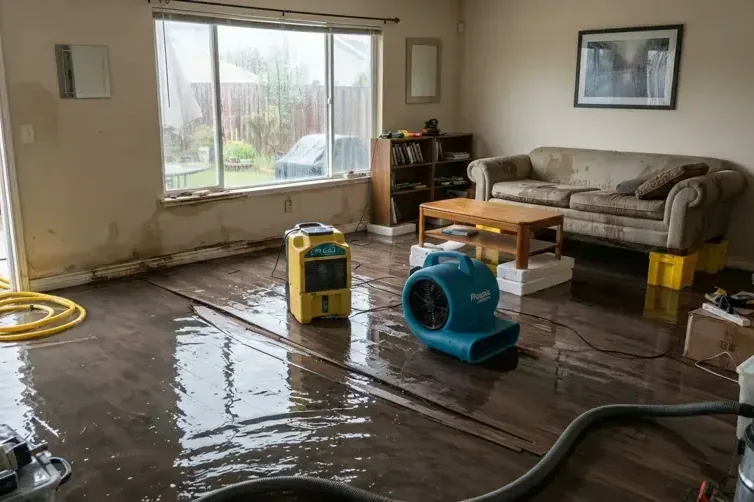
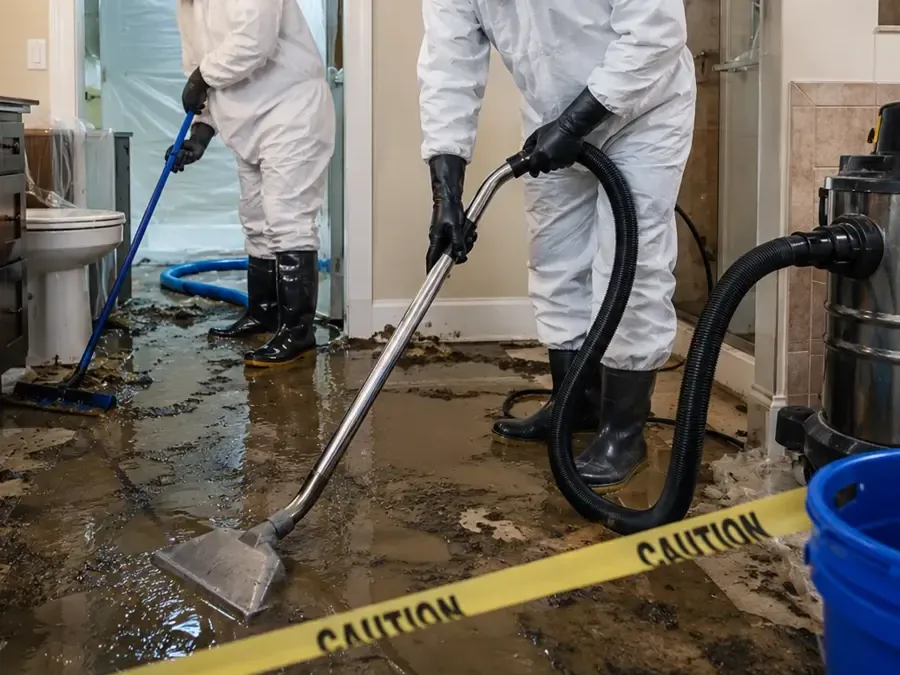
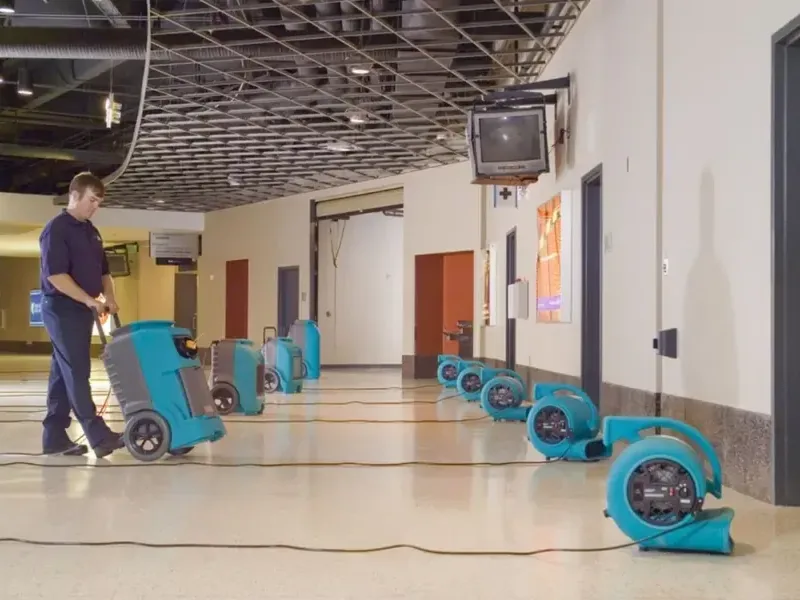
How the dry-out works
The work should connect the original water route with the materials left in place. A clear record explains the removal decisions, drying approach and outstanding repairs across the affected area.
Map the material contact
Identify the wet footprint and accessible layers, including adjoining rooms and cavities. The map provides a common reference for removal and subsequent drying decisions.
Remove recoverable water
Choose equipment for the water conditions and surface access. Contaminated deposits and unsalvageable materials require handling that protects the unaffected parts of the property.
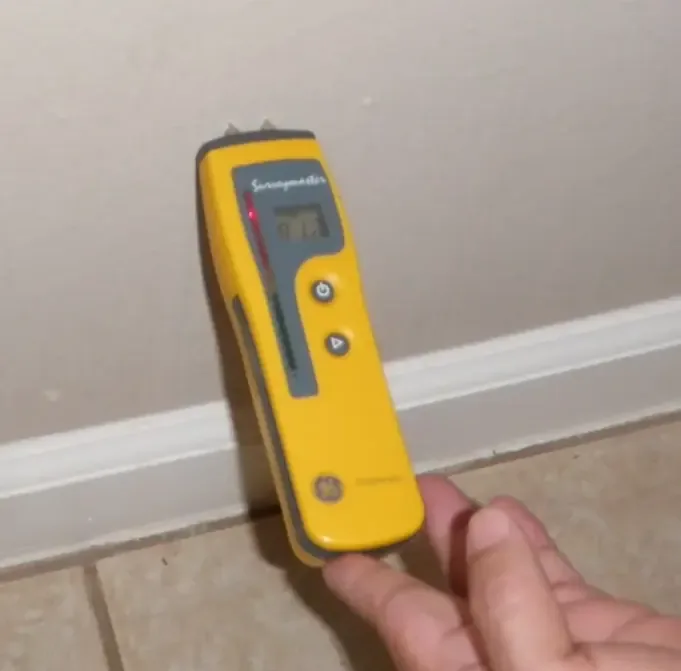
Measure retained structure
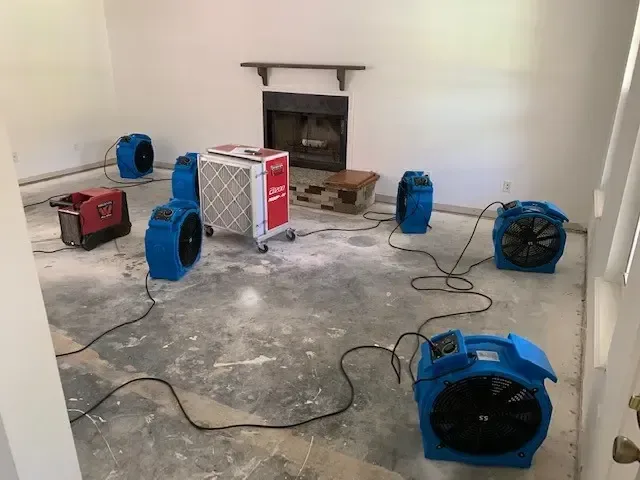
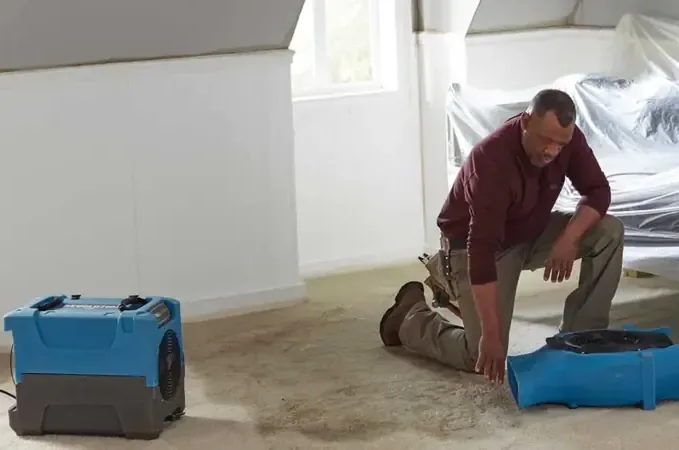
Use readings and material observations to evaluate progress. Equipment placement should respond to the actual assembly rather than simply filling the room with fans.
Coordinate the remaining repairs
Explain what is ready for rebuilding and which source or finish repairs remain. The handoff should preserve needed access until the affected assembly is evaluated.
Restore materials in a sequence that can be checked
- Source status recorded
- Wet boundaries mapped
- Retained layers evaluated
Water damage assessments for Hiram properties
Describe the entrance and the affected room
The property description should include a usable entrance, the source status and any rooms that must remain restricted. Those details help organize the initial assessment.
Attached homes may need additional owner or manager coordination. Identify access responsibilities before inspection requires entry to connected spaces or shared building assemblies.
(888) 532-4616Discuss the property accessRoads and familiar locations
ZIP area
Other service areas
Access, removal and drying across common interior water losses
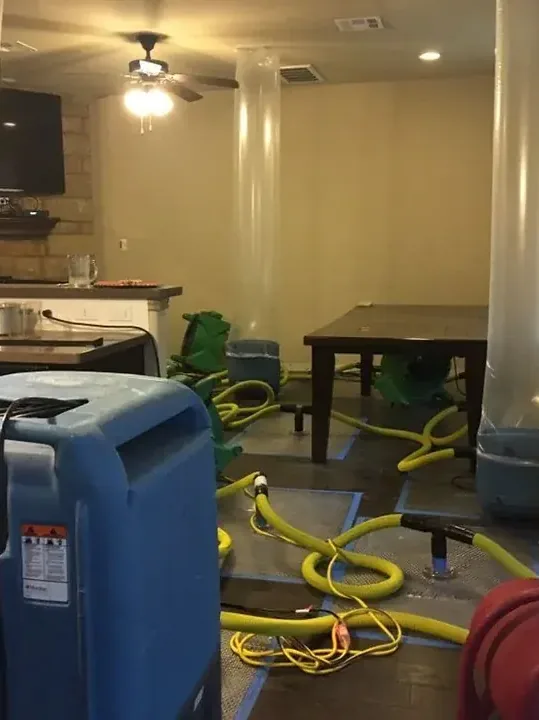
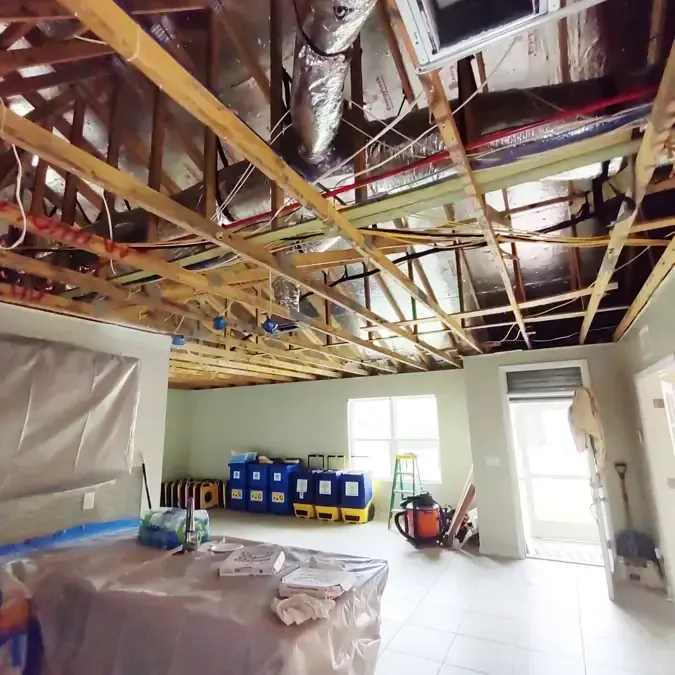
Decisions tied to the wet assembly
A restoration assessment should explain the proposed work in terms of the affected materials. Clear observations make access, removal and rebuilding decisions easier for the homeowner to follow.
Specific removal reasons
The scope identifies why a damaged finish must be removed or opened, linking the decision to contamination, material condition or access to retained moisture.
Separate trade responsibilities
Plumbing, appliance and roof repairs address the source. Restoration documentation distinguishes that work from the material removal and drying needed inside the building.
Connected room inspection
Water can migrate past a doorway or through a floor cavity. The inspection follows those connections instead of assuming the visible puddle defines the loss.
A useful completion record
The handoff identifies retained materials, final observations and unfinished repairs. That record helps the homeowner coordinate the next trade without concealing a remaining problem.
What changes water damage restoration costs in Hiram?
Restoration costs depend on the water source, affected materials and access needed to reach them. The ranges below describe broad scopes; a written assessment should separate cleanup, drying, source repair and replacement finishes at the property.
Contained room damage
$500 to $1,500
- Accessible wet surfaces
- Limited material handling
- Focused removal scope
Connected interior areas
$1,500 to $4,000
- Adjoining floor layers
- Selective cavity access
- Broader drying needs
Extensive assembly damage
$4,000 to $10,000+
- Multiple affected rooms
- Complex removal access
- Expanded material decisions
An estimate becomes useful when it identifies the damaged assembly, proposed material removals and remaining work that belongs to other qualified repair trades.
Document conditions before the room changes
Photographs, source repair notes and material estimates describe different parts of the loss. Keeping them together helps the homeowner explain what happened and what work was proposed or completed.
- Original room photographs showing the water footprint
- Photographs of damaged belongings before authorized disposal
- Written findings from the responsible source repair trade
- Removal and drying estimates with clearly identified scopes
- Material readings and notes from the restoration handoff
Paying directly for the work
A homeowner arranging payment directly still benefits from a written scope. Identify the immediate removal work and the decisions that depend on opening concealed materials.
Discuss changes before additional work begins. Separating source correction, drying and finish replacement makes the estimate easier to compare with the actual damage observed at the property.
Make the affected area safer before handling belongings
- Keep wet routes unoccupied Avoid water near electrical equipment and rooms with sagging ceilings. A safe position matters more than immediately reaching a shutoff or valuable item.
- Describe the source status Explain whether water still enters, which fixture or appliance is involved and whether a qualified trade has already isolated or repaired the suspected source.
- Save the first photographs Record the room and damaged belongings from a safe location. Original photographs preserve conditions that removal, cleaning and plumbing repairs may change afterward.
- Identify connected spaces Mention damp doorways, wall edges and any room below the leak. Hidden water can extend beyond the first surface that appears visibly damaged.
- Arrange a usable entrance Keep an unaffected access route available for assessment. Share any tenant, owner or appliance access requirements before equipment arrives at the damaged room.
Hiram water damage inspection context
The city includes different housing settings and utility connections. Restoration decisions should follow the affected property's layout, with local access details helping the right inspection reach the damaged assembly.
During freezing temperatures: Paulding County Water leaves water off at the curb stop during freezing temperatures and does not set meters during those conditions.
Attached housing access
Westwind Townhomes and Darbys Crossing include townhouses. A leak affecting connected assemblies may require owner coordination before inspection can reach the room or cavity beyond the initial damage.
Mixed housing layouts
Hiram Park contains houses and townhouses. The installed floor and ceiling assemblies determine source tracing and drying access, so inspection should establish the actual construction at the property.
Utility connection questions
Paulding County Water provides sewer service where available. A backup assessment needs the property's actual drainage connection before the obstruction and repair responsibilities can be investigated.
Single-family floor connections
Asbury Woods and Ballentine Pointe include single-family homes. Water from a utility area can reach adjoining finishes, making room connections and concealed edges useful inspection priorities.
Plumbing repair coordination
Paulding County Building and Permitting Division issues plumbing permits. Source repair planning should address the proposed plumbing work while restoration documents the surrounding wet materials and drying needs.
Start with the cause and the material contact
Escaping supply water
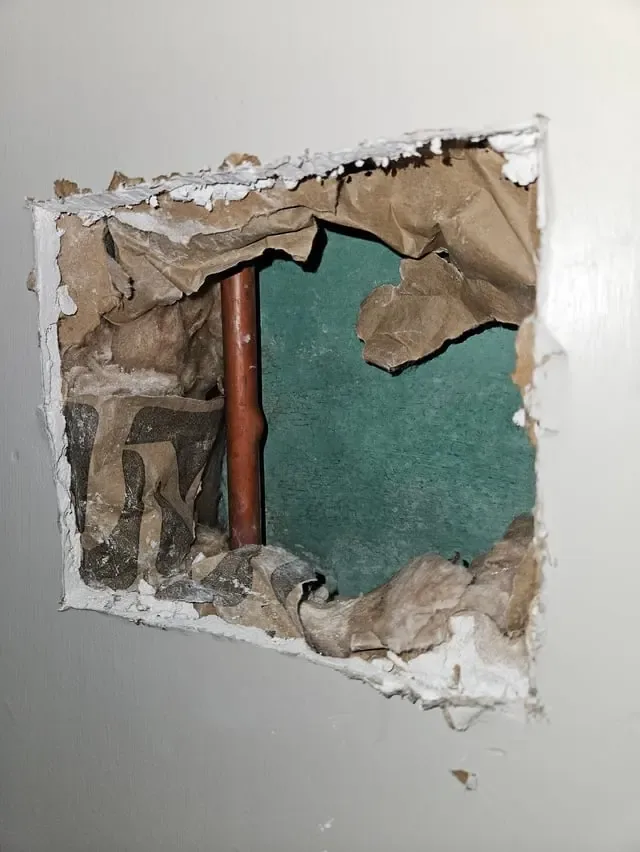
A broken pipe can soak concealed layers under pressure. Source isolation comes before assessing the rooms and cavities along the escape route.
Trace the pipe lossEquipment and floor layers
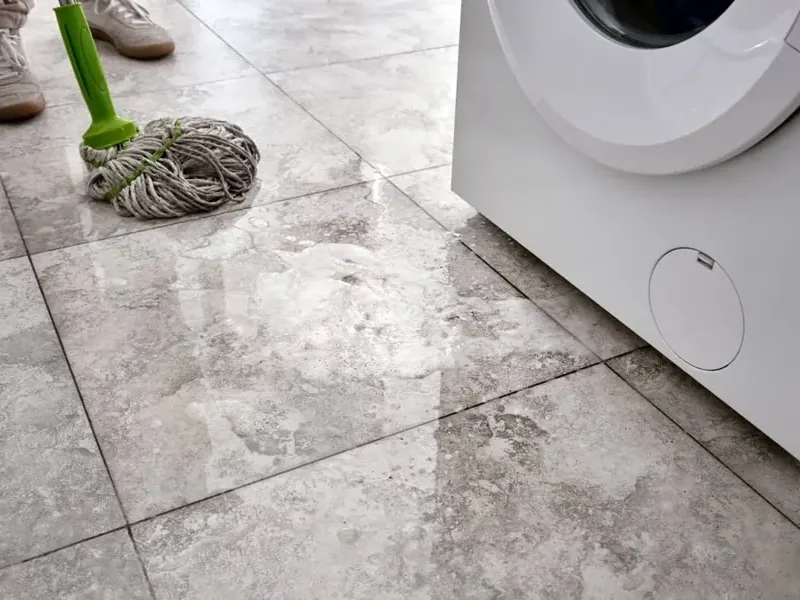
An appliance spill can hide beneath fixed cabinets. Access to hoses, underlayment and adjacent walls shapes the removal and drying sequence.
Inspect the appliance footprintContaminated drainage water
A sewage backup changes how surfaces and belongings are handled. Restrict access while drainage correction and controlled cleanup are arranged for the affected room.
Understand sewage handlingWater damage help in nearby communities
Water-loss decisions at home
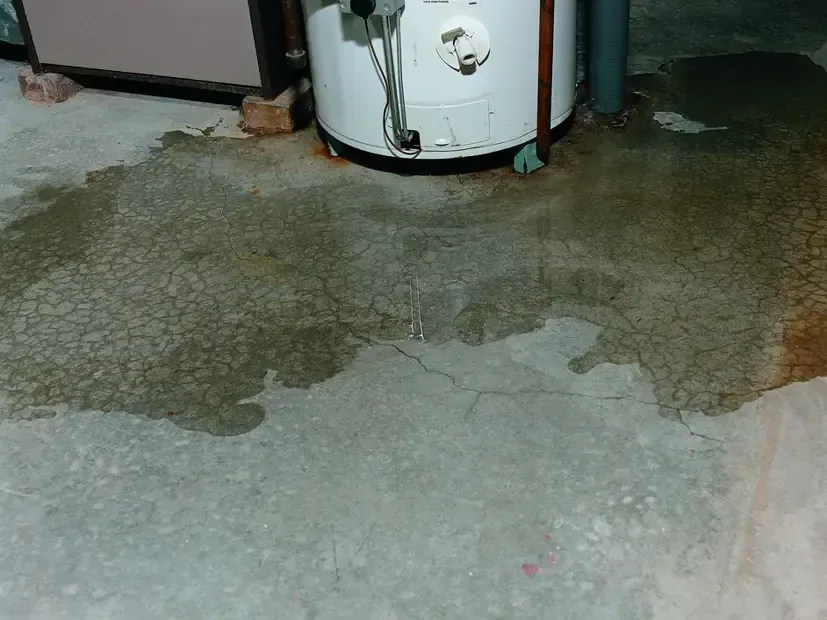
Hiram water heater leaks and replacement work
Hiram water heater leaks need attention to the tank area, platform and nearby rooms. See how plumbing permits and material drying fit the replacement plan.
Hiram Pipe Leaks During Freezing Weather
Hiram pipe leaks in freezing weather need supply isolation, a clear utility report and checks inside wet walls. Follow the repair and drying handoff.
Villa Rica Downtown Shop Water Loss and Stock Protection
Villa Rica shop water losses need stock records, protected access and clear repair authority. See how cleanup planning supports the next business decision.
Questions before a restoration assessment
Explain what changed in the room
Describe the first sign of water, the current source status and any unsafe area so the initial discussion focuses on the conditions present.
(888) 532-4616Discuss the first signsWhat information helps when requesting water damage help?
Describe the water source if known, the affected room and whether water still enters. Mention electrical concerns, sagging ceilings and access restrictions. Photographs taken safely can help explain the original condition before plumbing repairs or material removal change it.
Should a homeowner enter the wet room immediately?
Standing water near electrical equipment or unstable ceiling materials requires restricted access. Remain in a safe area and arrange qualified assessment. Reaching belongings or a shutoff is not a reason to cross water or stand beneath damaged overhead finishes.
Can water remain after the floor looks clear?
Yes. Floor coverings, padding, wall cavities and wood can retain moisture after visible pooling is removed. The restoration assessment checks affected layers and uses material observations to decide whether removal, additional access or controlled drying is needed.
How is sewage damage handled differently indoors?
Sewage requires controlled entry, contamination assessment and decisions about porous materials. Drain correction and cleanup are distinct tasks. Fans should not circulate air across untreated waste, and affected belongings should stay separate from clean rooms until handling is planned.
Does a repaired leak mean the building is ready?
Source repair stops new water, but the surrounding materials may remain wet or damaged. Restoration evaluates those materials separately. The completion record should explain which assemblies were dried and which finishes still need replacement before the space is fully restored.
Who arranges access in an attached home?
The owner or property manager should identify the spaces that can be entered and the responsibilities for shared elements. When moisture crosses a connected assembly, inspection may need access beyond the initial room. Those arrangements should be made before opening finishes.
What should a written restoration estimate explain?
The estimate should identify affected spaces, proposed removal and the drying scope. Source repairs and reconstruction need separate descriptions. If concealed damage changes the work, the homeowner should receive an explanation tied to the newly observed material conditions.
When is it appropriate to replace damaged flooring?
Replacement follows correction of the source and assessment of the retained floor assembly. Material readings help determine whether the underlying assembly is ready for the replacement finish. The drying handoff should address remaining moisture and the installation conditions required for the selected finish.
How should damaged belongings be recorded before removal?
Take photographs from a safe position and keep a clear description of affected items. Separate wet belongings from dry contents. Disposal or specialized handling decisions should be coordinated before the original condition is lost or contamination is carried into another room.
Start with the water source and the affected room
A clear description of the damage helps connect safe access, source correction and the material decisions needed for restoration.
(888) 532-4616Arrange the property damage assessment