Crawl Space Water Removal in Lithia Springs, GA
The crawl-space crew checks safe entry, identifies the incoming water and removes pooling beneath the home. Drying then focuses on accessible joists, subfloor and other materials affected above the wet ground.
(888) 532-4616Assess the underfloor water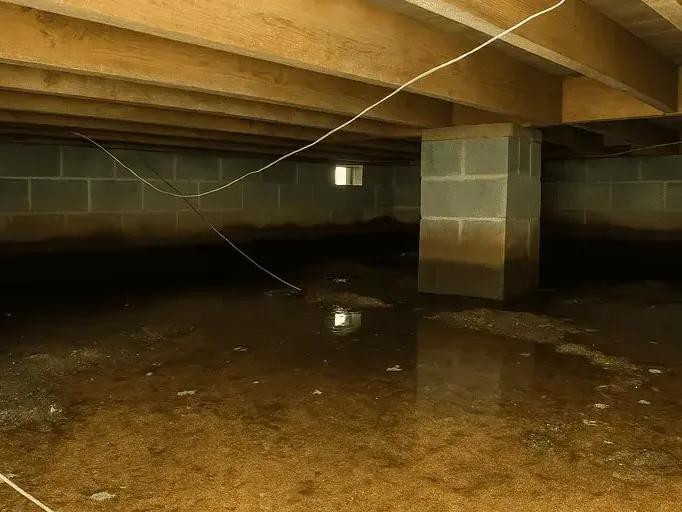
Professional attention for crawl space water removal
Rapid local response
The response team treats active water movement as urgent. Dispatch records the source, affected rooms and safe entry conditions so the extraction plan starts with the actual problem.
IICRC S500 drying standard
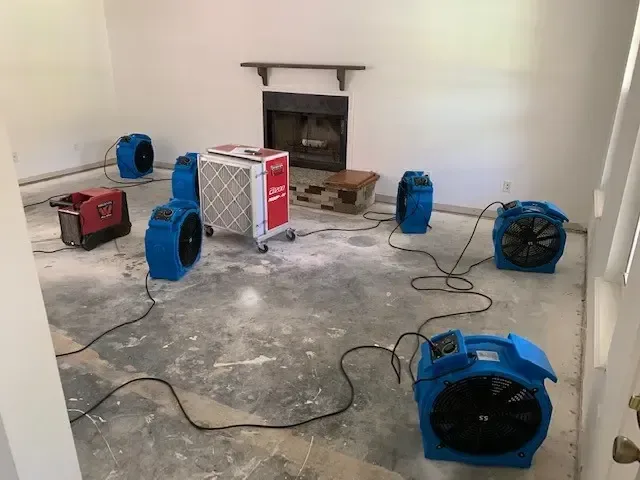
The drying team measures wet materials against a dry reference, manages evaporation with extraction and dehumidification, and adjusts equipment as readings change through the drying cycle.
Claim-ready documentation
The restoration technician records visible damage before removal, maps concealed moisture and maintains dated progress notes. That record separates emergency mitigation work from subsequent plumbing or building repairs.
Local water experts
The inspection follows the route water took through the property. Floor transitions, wall cavities and concealed layers receive attention even when the visible puddle occupies only a small area.
First steps for crawl space water removal
Stay at the access opening
The owner avoids crawling into pooled water or touching wet utilities. The crew assesses clearance, visibility and hazards before anyone enters the underfloor space.
Report the water pattern
The household notes whether the problem followed rain or plumbing use. Those observations help the technician select the first source checks before source repair begins.
Keep the access route open
Stored items move away from the entrance when safe. The crew plans equipment and waste movement without carrying wet underfloor material through clean occupied rooms.
Arrange source repair
A plumber or drainage professional investigates continued entry. The restoration team coordinates removal and drying around that repair so new water does not replace extracted water.
What does crawl space water removal cost in Lithia Springs, GA?
Crawl space water removal in Lithia Springs typically costs $1,000 to $6,500 or more. Clearance, water depth, contaminated debris and wet insulation determine the scope; drainage correction or pipe repair can add separate work.
Accessible localized pooling
$1,000 to $2,200
- Safe access assessment
- Focused pumping
- Initial wood readings
Water and insulation damage
$2,200 to $4,200
- Wet insulation handling
- Broader framing checks
- Underfloor drying setup
Restricted or extensive loss
$4,200 to $6,500+
- Complex equipment access
- Larger removal area
- Extended monitoring
Water category, wet area, material class and the delay before drying shape the scope. The Lithia Springs water damage cost calculator provides an estimate only.
Documentation for your insurance claim
The claim file contains a moisture map, daily psychrometric logs, timestamped pre-demolition photos and a line-item scope. The restoration team records the water category and affected material class. Sudden accidental leaks, outside flooding and sewer backups can receive different treatment under a policy. The policyholder checks coverage and deductibles with the insurer before assuming any payment.
How crawl space water removal is handled
The restoration plan follows the source, the wet materials and the measurements taken through each stage.
Assess entry conditions
The crawl-space technician checks access and utility hazards, identifies the likely water source and records visible framing and insulation conditions before starting removal.
Pump and clear
The crew removes pooled water through a controlled discharge route and handles unsuitable wet debris or insulation without contaminating the occupied space above.
Dry the wood assembly
Equipment addresses humidity and evaporation around accessible joists and subfloor, with placement adjusted to clearance and the distribution of wet material beneath the home.
Verify and coordinate repair
Repeat wood readings document progress, while the owner receives notes about inaccessible areas and source repairs needed before insulation replacement or other finishing work.
More about crawl space water removal in Lithia Springs
Water under a raised floor can remain unnoticed while the living area looks dry. The inspection begins at the access opening, not with someone crawling into a dark wet space. The crew checks standing water, utilities and clearance, then identifies the route water used to enter. A pump-out must be paired with source control and an assessment of the structure above.
Confirm the source before choosing a lasting response
At properties in Bearden Place, Park Forest and along Mount Vernon Road, the technician first confirms that an accessible crawl space exists. The inspection then separates a supply leak, drain failure and exterior entry. Those sources require different repair trades and contamination precautions. The technician confirms the foundation and drainage layout at the particular home.
- Check whether pooling changes with fixture use or rainfall.
- Identify wet insulation and low framing from a safe access point.
- Record pipe or drainage findings before pumping changes the visible water pattern.
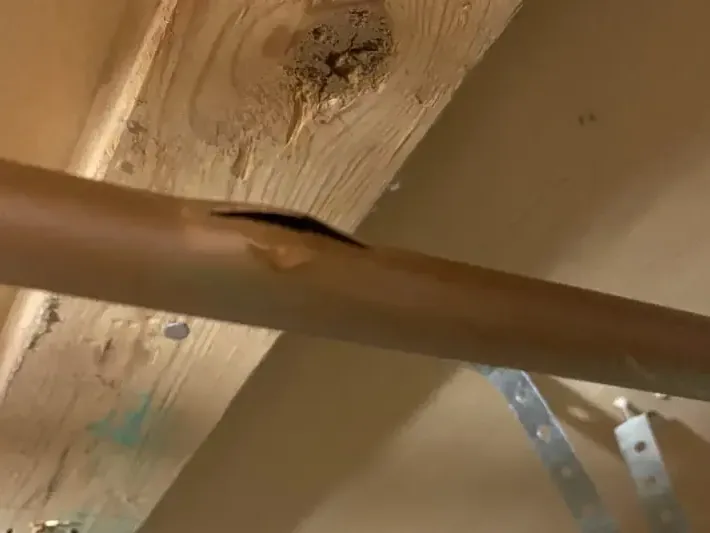
The restoration crew removes the current water, while a plumber or drainage professional addresses a continuing source. Repeated pumping without source control can leave the floor structure exposed to recurring moisture. The burst pipe page explains cleanup after a confirmed supply failure.
Protect the floor assembly during removal
Wet insulation can sag against joists and conceal moisture on the subfloor. The crew removes unsuitable affected insulation and debris where needed for sanitary, effective drying. Electrical wiring, ductwork and piping require careful clearance as equipment moves through the space. The disposal route protects the occupied home from underfloor dirt and wet materials.
- Choose pumping equipment suited to depth, debris and access.
- Keep discharge away from routes that send water back beneath the building.
- Inspect wood at repeated locations rather than relying on the ground surface alone.
Sweetwater Creek belongs to the area's water setting, but pooled water beneath a home still needs a property-specific explanation. The crew documents the observed source instead of assigning the loss to creek flooding without evidence at the building. Outside water and wastewater require different precautions from a recent clean supply release.
Water still affecting the floor?
Water under a raised floor can leave joists wet after pumping. The restoration technician checks safe access, the incoming source and the affected floor assembly.
(888) 532-4616Discuss the wet floor framingDry the framing after the pooling is gone
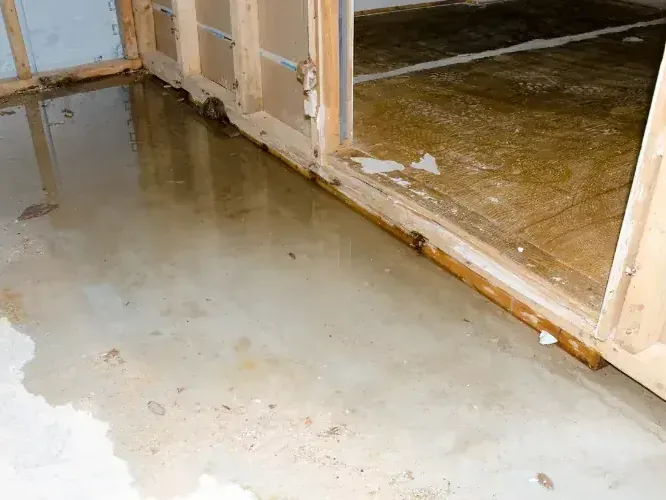
The drying team manages humidity and airflow around accessible wood. Ground conditions, restricted clearance and wet materials can make equipment placement more involved than in an open room. The technician compares joist and subfloor readings with suitable references and notes any inaccessible areas that need additional work.
- Track the underside of the wettest floor area.
- Keep duct openings and occupied-space access protected during cleanup.
- Coordinate insulation replacement after the structure meets its drying goal.
The owner receives a record that separates water removal, drying and the recommended source repair. A clear crawl-space opening or a dry-looking patch of ground is not a complete drying test. Material measurements determine when the underfloor work can progress to replacement and normal access.
Do not enter standing water under the home
Low clearance, poor visibility and wet utilities can make an underfloor space unsafe. The household leaves entry to trained professionals with suitable equipment and a safe work plan. Electrical or structural hazards require appropriate assessment before pumping, insulation removal or powered drying begins beneath the floor.
Crawl space water removal in Lithia Springs
Service coverage includes ZIP 30122, Beechwood Hills, Chestnut Log, Heritage Square, Park Forest and homes along Mount Vernon Road. Dispatch uses the property location and access conditions to plan the response.
Water damage response is available 24/7.
Related water damage services in Lithia Springs
Crawl Space Water Removal questions
Talk through the wet areas
Water under a raised floor can leave joists wet after pumping. The restoration technician checks safe access, the incoming source and the affected floor assembly.
(888) 532-4616Discuss the wet floor framingCan the homeowner pump the space first?
An underfloor space may contain electrical, structural and access hazards that are hard to see. The household should avoid entering standing water. The restoration crew evaluates safe removal and coordinates any necessary utility assessment before powered equipment operates.
Does standing water always mean poor exterior drainage?
No. Supply piping, drains and exterior water can each create pooling. The technician checks the timing and route of entry. A source-specific diagnosis prevents drainage work from being mistaken for the solution to a concealed plumbing failure.
Will pumping dry the floor joists?
Pumping removes standing liquid but does not remove moisture already absorbed by wood or insulation. The drying team measures the joists and subfloor, then manages humidity and airflow until those materials meet the established drying goal.
Can wet insulation remain under the floor?
The crew evaluates saturation, contamination and whether insulation blocks drying. Unsuitable affected insulation requires removal so framing can be cleaned and measured. Replacement follows the drying record and any source repair, rather than immediately following the pump-out.
Does every local home have a crawl space?
Foundation arrangements vary by property. The crew confirms the actual construction and access before planning this service. A home with a slab or another foundation needs an assessment suited to that assembly and the observed water route.
What should be repaired after cleanup?
The documented cause determines the next trade: a failed pipe, drain defect or exterior entry may require different work. The restoration record separates removal and drying from those repairs, helping the owner avoid treating a temporary pump-out as a permanent correction.
Remove the pooling and measure the wood above it
The drying crew documents underfloor moisture and coordinates the next steps with the professional correcting the water source.
(888) 532-4616Arrange underfloor moisture help