Roof Leak Water Damage in Lithia Springs, GA
The restoration technician follows rainwater from attic materials into ceilings and walls. A roofing professional controls the exterior opening while the drying crew assesses insulation, framing and finishes below it.
(888) 532-4616Assess the rain-soaked interior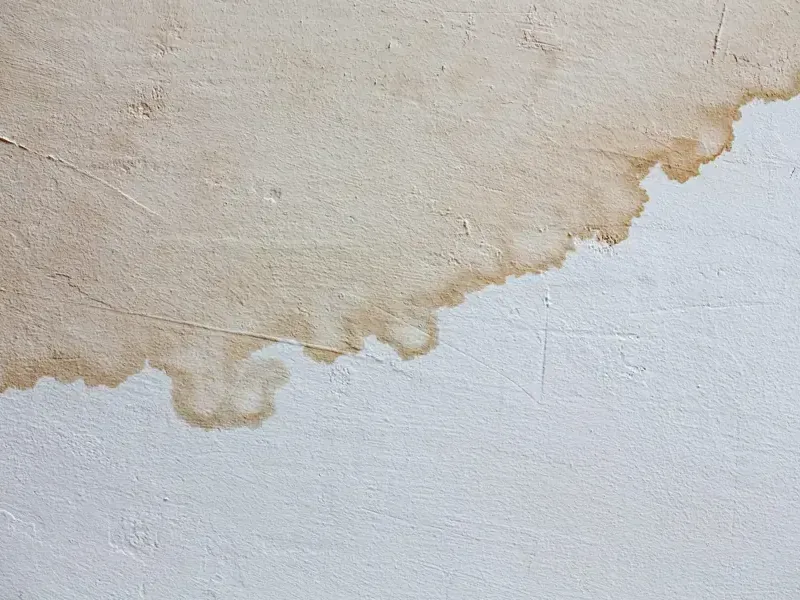
Professional attention for roof leak water damage
Rapid local response
The response team treats active water movement as urgent. Dispatch records the source, affected rooms and safe entry conditions so the extraction plan starts with the actual problem.
IICRC S500 drying standard
The drying team measures wet materials against a dry reference, manages evaporation with extraction and dehumidification, and adjusts equipment as readings change through the drying cycle.
Claim-ready documentation
The restoration technician records visible damage before removal, maps concealed moisture and maintains dated progress notes. That record separates emergency mitigation work from subsequent plumbing or building repairs.
Local water experts
The inspection follows the route water took through the property. Floor transitions, wall cavities and concealed layers receive attention even when the visible puddle occupies only a small area.
First steps for roof leak water damage
Move away from sagging areas
The household keeps people out from beneath a bulging ceiling. Light belongings move only when the route is dry and the overhead surface is stable.
Request exterior source control
A roofing professional assesses the opening and safe weather protection. The owner avoids climbing onto a wet roof or improvising access during rain.
Preserve timing details
The owner records when rain and interior wetness appeared. The restoration technician compares that history with attic findings and any nearby plumbing sources.
Leave attic work to the crew
Wet insulation and unsupported ceiling areas need careful access. The restoration team evaluates the route before carrying equipment or removing affected material.
What does roof leak water damage cost in Lithia Springs, GA?
Roof leak water damage restoration in Lithia Springs typically costs $1,000 to $6,500 or more. Attic access, insulation removal and the number of wet ceiling or wall areas drive interior cleanup; roofing repair has a separate price.
Small ceiling footprint
$1,000 to $2,200
- Moisture inspection
- Limited interior access
- Localized drying
Attic and ceiling damage
$2,200 to $4,200
- Wet insulation removal
- Framing checks
- Contained ceiling opening
Multiple wet assemblies
$4,200 to $6,500+
- Broader material access
- Wall migration checks
- Extended drying records
Water category, wet area, material class and the delay before drying shape the scope. The Lithia Springs water damage cost calculator provides an estimate only.
Documentation for your insurance claim
The claim file contains a moisture map, daily psychrometric logs, timestamped pre-demolition photos and a line-item scope. The restoration team records the water category and affected material class. Sudden accidental leaks, outside flooding and sewer backups can receive different treatment under a policy. The policyholder checks coverage and deductibles with the insurer before assuming any payment.
How roof leak water damage is handled
The restoration plan follows the source, the wet materials and the measurements taken through each stage.
Identify the water route
The technician inspects attic and room conditions alongside the roofing findings, separating outside rain entry from plumbing or equipment leaks above the ceiling.
Protect the occupied area
The restoration crew establishes a safe work zone below the affected roof, documents ceiling condition and controls debris before opening wet interior finishes.
Expose and dry
Wet insulation and unsuitable finishes are removed as needed, then the drying team directs controlled airflow and dehumidification toward accessible framing and ceiling boundaries.
Verify before replacement
The crew records material readings after source control and flags renewed moisture, giving the owner a clear handoff before insulation and ceiling finishes return.
More about roof leak water damage in Lithia Springs
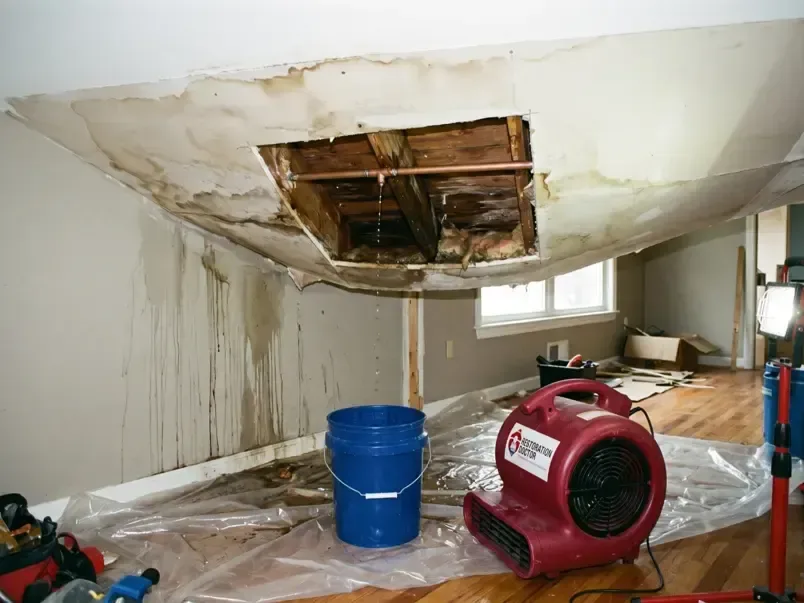
The first ceiling stain may sit well away from the roof opening. Water can follow rafters, sheathing and framing before it drops into a room. The restoration technician checks that route rather than treating the visible spot as the source. A roofing professional evaluates flashing, coverings and penetrations while the interior team measures the wet assemblies below.
Trace rain entry before closing the ceiling
Homes in Kensington Park, Lithia Ridge and Parkside Manor need inspection of their own roof and attic arrangement. The crew records when the stain appeared, whether it changes during rain and which rooms share the affected ceiling. A leak that stops during dry weather may still leave wet insulation pressed against framing.
- Check accessible sheathing and rafters above the stained area.
- Inspect wall intersections where water can turn downward.
- Record roof-repair findings alongside the interior moisture map.
The team avoids assuming every high ceiling stain comes from outside. Plumbing, an appliance above the room or an AC drain can create similar marks. Source tracing establishes whether the ceiling leak service better describes an interior failure. The work plan follows the actual origin.
Remove wet insulation that blocks drying
Saturated insulation can conceal the extent of an attic leak and slow drying against timber or ceiling backing. The restoration crew evaluates safe access, ceiling condition and affected materials before removal. Walking on ceiling drywall is unsafe; attic access must support the person and equipment using it.
- Identify soft ceiling areas before setting ladders or moving belongings below.
- Remove unsuitable wet insulation and document the opened boundary.
- Protect occupied rooms from debris during controlled access work.
Along Thornton Road, a building can contain several roof sections and drainage details. The roofing professional identifies the failed assembly; the drying technician verifies which interior sections actually became wet. The record separates exterior repair from water removal so a sound roof surface is not confused with a dry ceiling cavity.
Water still affecting the floor?
Rain can leave insulation wet after the drip disappears. The restoration technician checks the attic-to-room path and explains the access needed to dry it.
(888) 532-4616Discuss wet attic materialsKeep the interior open until measurements support closure
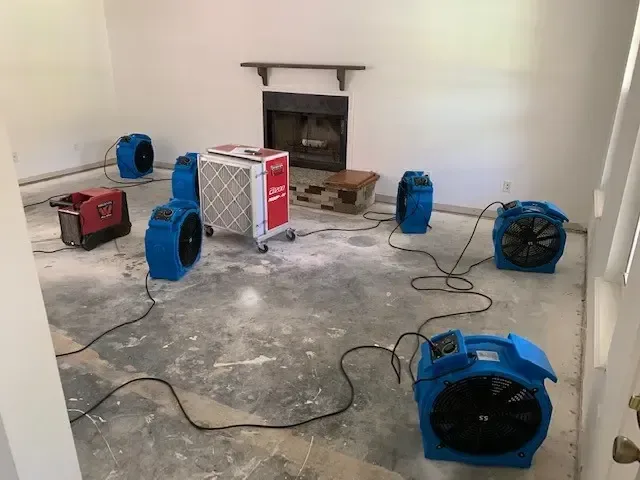
Airflow and dehumidification need access to the wet materials. The drying crew monitors framing and ceiling edges while the roof repair prevents fresh entry. If a new rain brings more moisture, the team reports that change instead of continuing an unchanged equipment schedule. Moisture readings help distinguish ongoing leakage from residual drying.
- Track repeatable readings at the wettest framing and adjacent dry references.
- Keep insulation replacement separate from source-repair completion.
- Save initial stains, opening photographs and the roofing diagnosis for the claim record.
Roof maintenance, sudden storm damage and long-term leakage can receive different insurance treatment. The owner checks the policy with the insurer. The restoration team supplies observations and work records without deciding coverage or assigning an unsupported date to an old stain.
Stay off a wet roof
The household leaves exterior inspection and temporary weather protection to roofing professionals. Occupants also avoid sagging ceilings, wet light fixtures and unsupported attic surfaces. The restoration crew checks safe entry before opening interior materials or placing powered drying equipment below the affected roof section.
Roof leak water damage in Lithia Springs
Service coverage includes ZIP 30122, Beechwood Hills, Chestnut Log, Heritage Square, Park Forest and homes along Mount Vernon Road. Dispatch uses the property location and access conditions to plan the response.
Water damage response is available 24/7.
Related water damage services in Lithia Springs
Roof Leak Water Damage questions
Talk through the wet areas
Rain can leave insulation wet after the drip disappears. The restoration technician checks the attic-to-room path and explains the access needed to dry it.
(888) 532-4616Discuss wet attic materialsWhy is the stain far from the roof defect?
Rainwater can travel along roof framing or sheathing before reaching the ceiling. The visible spot may be the lowest exit point. Inspection follows the attic route and checks nearby walls instead of opening only directly above the stain.
Can the ceiling be painted when the rain stops?
The roof and the interior assembly need separate checks. Paint can hide a stain while insulation or framing remains wet. The drying technician measures those materials and identifies any damaged finish that needs removal before cosmetic work begins.
Does every roof leak require ceiling removal?
Not every loss needs the same access. The crew assesses saturation, structural condition, insulation and the ability to dry the cavity. Swollen, unstable or inaccessible wet materials may require opening even when the visible stain is modest.
Who handles the roof repair?
A roofing professional controls the exterior defect and any safe temporary protection. The restoration team addresses moisture inside the building. The owner reviews both scopes so the roofing work, drying and later finish repairs remain clear.
Can attic fans dry wet insulation?
Air movement alone may not remove moisture held through saturated insulation. The team evaluates whether the material can remain and whether framing behind it can dry. Dehumidification and selective removal may be necessary for a measurable result.
What records help explain storm-related damage?
Photos of the initial interior stain, the timing of rain, roofing findings and moisture readings help describe the loss. The insurer decides whether the policy covers the cause. The crew records observations without promising a covered claim.
Dry the roof leak below the repaired opening
The crew checks framing, insulation and ceiling edges while the roofing professional controls the source of new water.
(888) 532-4616Arrange interior rain-damage help