Slab Leak Water Damage in Lithia Springs, GA
A leak beneath concrete can feed moisture into flooring long before a puddle appears. The restoration team maps wet finishes and dries the affected structure after a plumber controls the source.
(888) 532-4616Assess moisture beneath the floor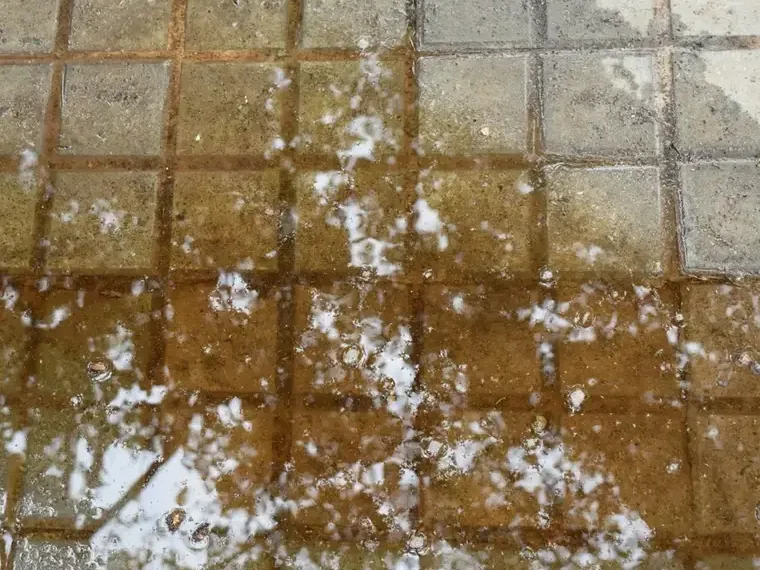
Professional attention for slab leak water damage
Rapid local response
The response team treats active water movement as urgent. Dispatch records the source, affected rooms and safe entry conditions so the extraction plan starts with the actual problem.
IICRC S500 drying standard
The drying team measures wet materials against a dry reference, manages evaporation with extraction and dehumidification, and adjusts equipment as readings change through the drying cycle.
Claim-ready documentation
The restoration technician records visible damage before removal, maps concealed moisture and maintains dated progress notes. That record separates emergency mitigation work from subsequent plumbing or building repairs.
Local water experts
The inspection follows the route water took through the property. Floor transitions, wall cavities and concealed layers receive attention even when the visible puddle occupies only a small area.
First steps for slab leak water damage
Check for continuing flow
The owner notes whether the meter moves when normal water use stops, then shares that observation with the plumber without attempting to excavate the slab.
Isolate a confirmed leak
A plumbing professional controls the failed supply. The household uses an accessible shutoff only when reaching it does not require crossing wet electrical hazards.
Keep the floor exposed
The occupant avoids rugs, boxes or new coverings over damp spots. The technician needs access to compare wet edges, cabinet bases and adjoining wall materials.
Record before access
Photographs preserve the original finish condition. The crew marks moisture locations before the plumber opens the repair area and changes the visible surface.
What does slab leak water damage cost in Lithia Springs, GA?
Slab leak water damage cleanup in Lithia Springs commonly falls between $1,500 and $7,500 or more. Wet flooring, cabinet damage and dense-material drying drive the restoration cost; leak detection and pipe repair have a separate scope.
Limited floor damage
$1,500 to $2,800
- One accessible wet area
- Selective finish access
- Initial drying setup
Floor and wall edges
$2,800 to $5,000
- Multiple affected layers
- Cabinet perimeter checks
- Daily moisture records
Extensive trapped moisture
$5,000 to $7,500+
- Broader floor removal
- Dense-material drying
- Longer equipment monitoring
Water category, wet area, material class and the delay before drying shape the scope. The Lithia Springs water damage cost calculator provides an estimate only.
Documentation for your insurance claim
The claim file contains a moisture map, daily psychrometric logs, timestamped pre-demolition photos and a line-item scope. The restoration team records the water category and affected material class. Sudden accidental leaks, outside flooding and sewer backups can receive different treatment under a policy. The policyholder checks coverage and deductibles with the insurer before assuming any payment.
How slab leak water damage is handled
The restoration plan follows the source, the wet materials and the measurements taken through each stage.
Locate the damage boundary
The restoration technician maps floor and wall moisture while the plumber investigates the pressure leak, keeping source diagnosis separate from the restoration scope.
Make drying access
The crew lifts damaged or obstructive floor layers with authorization and protects unaffected finishes, then photographs adhesive, backing and exposed slab conditions.
Control evaporation
The drying team selects equipment for concrete and surrounding porous materials, keeping the environment controlled while checking moisture at repeatable measurement points.
Document the handoff
Final restoration readings accompany the work record, and the owner coordinates any additional substrate testing required by the flooring installer before new finishes cover the slab.
More about slab leak water damage in Lithia Springs
A warm floor patch, damp carpet edge or recurring moisture at a baseboard warrants inspection before anyone cuts into concrete. The plumbing professional locates the failed pipe. The restoration technician measures the damage that escaped water caused above and around it. These are separate tasks, and a successful pipe repair does not automatically leave the flooring ready for replacement.
Distinguish a hidden supply leak from outside entry
Properties in Chestnut Log and Heritage Square need an inspection of their own foundation and plumbing arrangement. A neighborhood name cannot identify the pipe route. The technician asks when wetness appeared, whether it changes with water use and whether the supply meter moves while fixtures are off. Appliance connections and nearby bathrooms receive attention before the search narrows to concrete.
- Warmth can support investigation of a hot-water leak, but the plumber confirms the source.
- A moving meter can indicate water use elsewhere, so irrigation and automatic appliances must be considered.
- Dampness after rain calls for checking exterior entry as well as pressurized plumbing.
Sweetwater Creek is part of the local drainage setting. The team separates outdoor water intrusion from a pressure-pipe failure by examining the entry route and timing. That distinction affects contamination, removal and the explanation recorded for the owner. The warning check organizes observations without replacing leak detection.
Expose the layers that are holding water
Water can spread beneath vinyl, laminate or an adhesive-fixed floor without immediately appearing in the center of the room. The crew checks perimeter trim, cabinet toe kicks and transitions between finishes. Limited access may release a trapped pocket; other materials need removal when swelling, separation or contamination prevents useful drying. The technician explains the proposed access before opening a sound finish.
- Map cabinet bases and lower wall plates beside the wet floor.
- Record the condition of adhesive and backing when flooring lifts.
- Protect dry finishes along the route used for plumbing access.
Homes near Lee Road can have different floor assemblies within the same building after remodeling. The restoration team checks each transition rather than extending one reading across every room. A dense slab and a wood cabinet panel release moisture at different rates, so the drying record keeps them distinct.
Water still affecting the floor?
Persistent floor moisture can reach cabinets before a large puddle develops. The restoration technician checks concealed layers and coordinates drying around the plumber's source-control work.
(888) 532-4616Discuss the damp floor layersVerify readiness before replacing a finish
LGR or desiccant dehumidification controls the air while appropriate airflow supports evaporation from accessible materials. Dense concrete may need more time than exposed drywall. The drying technician records the method and location of each reading so progress remains comparable. Flooring installers may require their own specified moisture tests before applying adhesive or installing a new finish.
- Maintain the drying environment while monitoring equipment and drain arrangements.
- Separate the plumbing repair record from removal and drying charges.
- Retain final readings and photographs before the opened area is closed.
Closing a slab access patch and covering a floor are different milestones. The plumber confirms source control; the restoration team verifies the wet structure; the installer checks substrate requirements. The structural drying page explains how equipment settings respond to material readings.
Avoid exploratory cutting
The homeowner leaves concrete cutting to qualified trades after utility locations and the repair plan are established. Hidden electrical, water and other building services can occupy the work area. The restoration crew protects surrounding finishes and documents moisture before plumbing access changes the condition of the floor.
Slab leak water damage in Lithia Springs
Service coverage includes ZIP 30122, Beechwood Hills, Chestnut Log, Heritage Square, Park Forest and homes along Mount Vernon Road. Dispatch uses the property location and access conditions to plan the response.
Water damage response is available 24/7.
Related water damage services in Lithia Springs
Slab Leak Water Damage questions
Talk through the wet areas
Persistent floor moisture can reach cabinets before a large puddle develops. The restoration technician checks concealed layers and coordinates drying around the plumber's source-control work.
(888) 532-4616Discuss the damp floor layersDoes a warm floor always mean a slab leak?
A warm patch is a reason to investigate, especially with unexplained water use or damp edges. Heating systems and other sources can also warm flooring. A plumber tests the supply and locates the leak before recommending concrete access.
Can the floor stay down during drying?
The answer depends on permeability, damage and the moisture trapped below it. Some assemblies dry with limited access; others block evaporation or have already separated. The restoration technician explains which layers can remain and why removal is necessary elsewhere.
Who repairs the pipe under the concrete?
A plumbing professional locates and repairs or reroutes the failed supply. The restoration crew handles extraction, wet material removal and structural drying. The owner should review both scopes so plumbing work is not confused with the dry-out.
Why is the baseboard wet far from the leak?
Water can migrate under flooring and emerge at a wall or transition. The visible mark may be the exit point rather than the source. Moisture mapping follows the connected assembly and checks cabinet bases as well as room edges.
Does the slab have to match a wood moisture reading?
Different materials and instruments require different interpretations. The technician compares like materials and uses a suitable method for concrete. Flooring installation can require additional substrate tests specified by the manufacturer, separate from the restoration drying record.
Will insurance pay for all slab leak work?
Coverage can differ for resulting water damage, access, the failed pipe and long-term leakage. The insurer interprets the policy. Photographs, leak-detection findings and moisture records help explain the loss for the insurer to review for any part of the work.
A repaired pipe still leaves a wet structure
The drying team checks the slab edge, floor backing and lower walls before those layers receive new finishes.
(888) 532-4616Arrange a slab dry-out assessment