Water Damage Restoration in Acworth
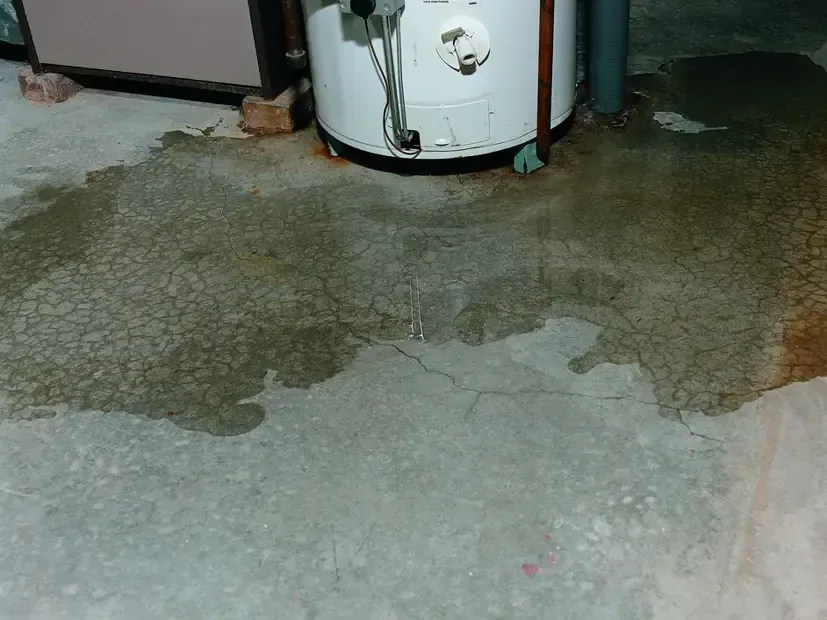
A spreading puddle can reach beneath flooring before the room looks flooded. Acworth water damage restoration starts with finding the source, removing accessible water and checking concealed materials.
(888) 532-4616Discuss the wet roomsThe first conversation should identify active leaks, unsafe areas and the rooms affected before equipment or repairs are planned.
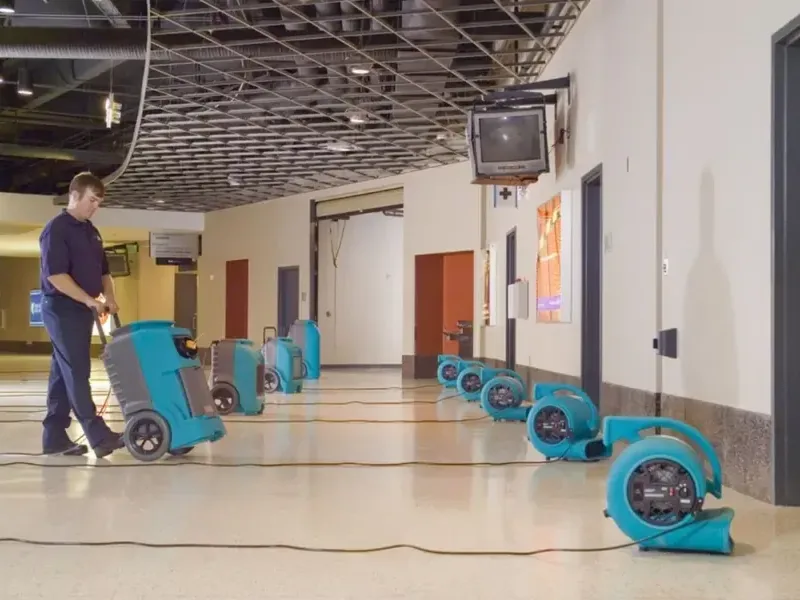
How the dry-out works
Cleanup moves forward when each stage leaves useful information for the next. Source control, removal, drying and repair readiness belong in a connected record of the property.
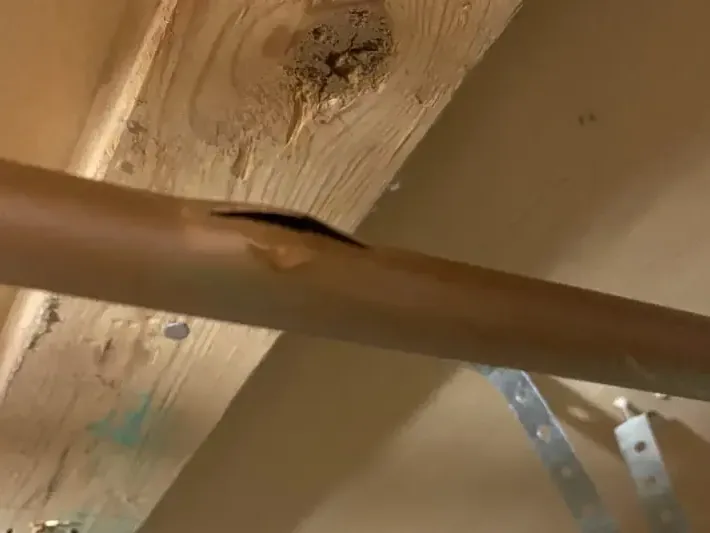
Establish the water path
Inspection follows visible damage into adjoining surfaces and accessible cavities, then marks the materials requiring extraction, cleaning or closer evaluation before work expands.
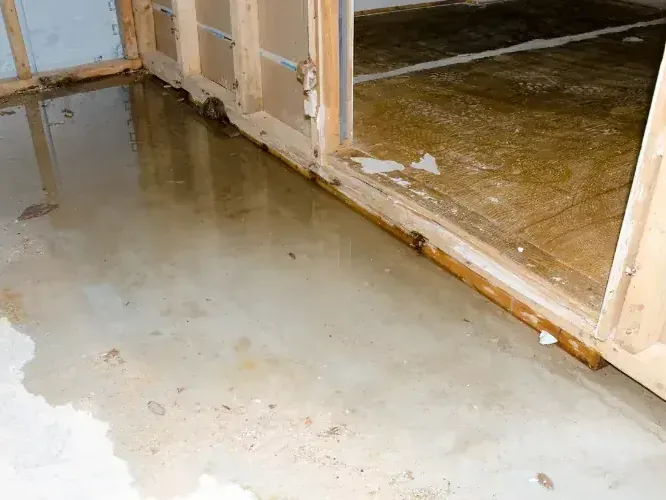
Remove what obstructs recovery
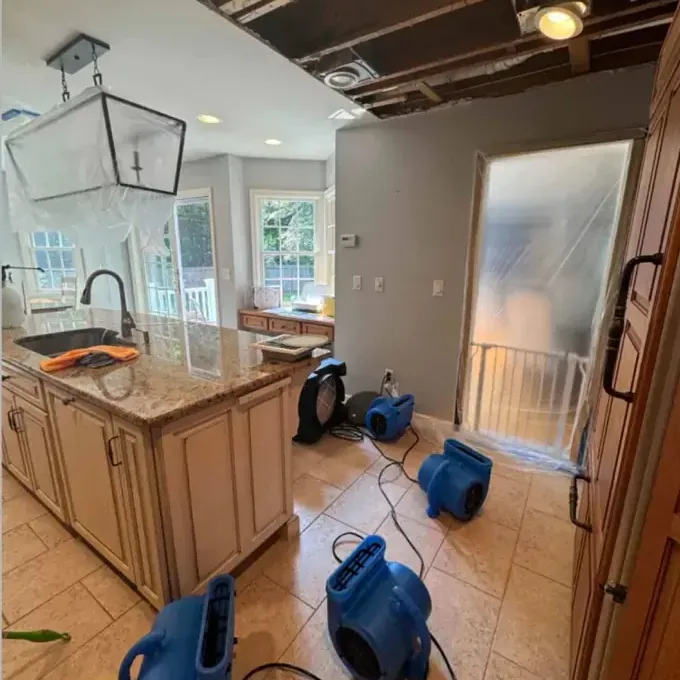
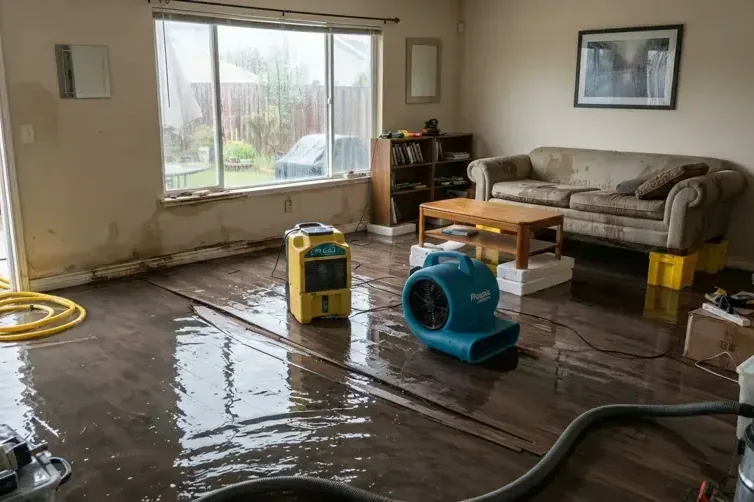
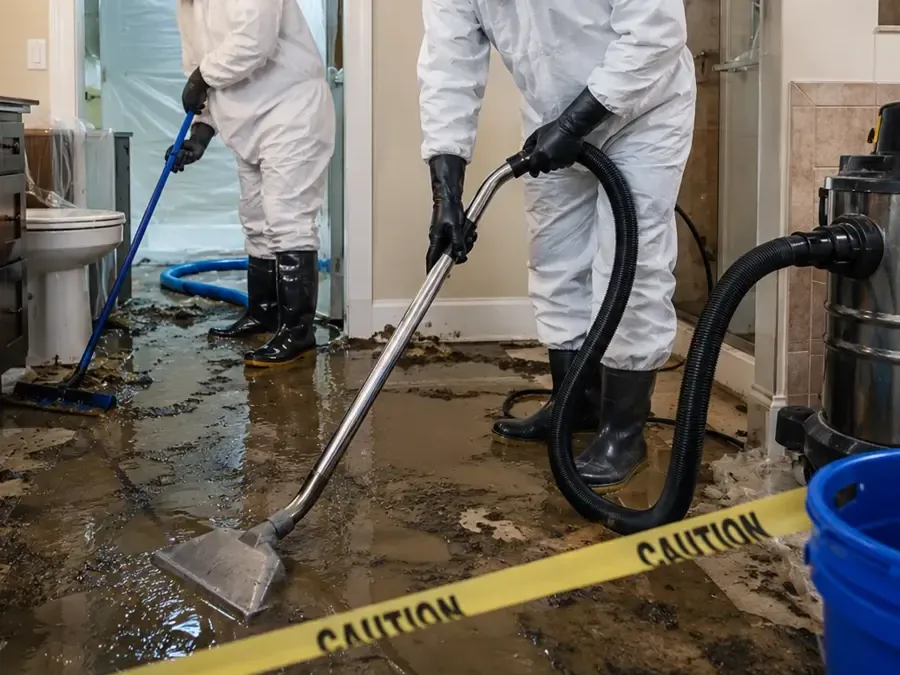
Water extraction and selective material removal create access for cleaning and drying while protecting dry areas and preserving items suitable for restoration.
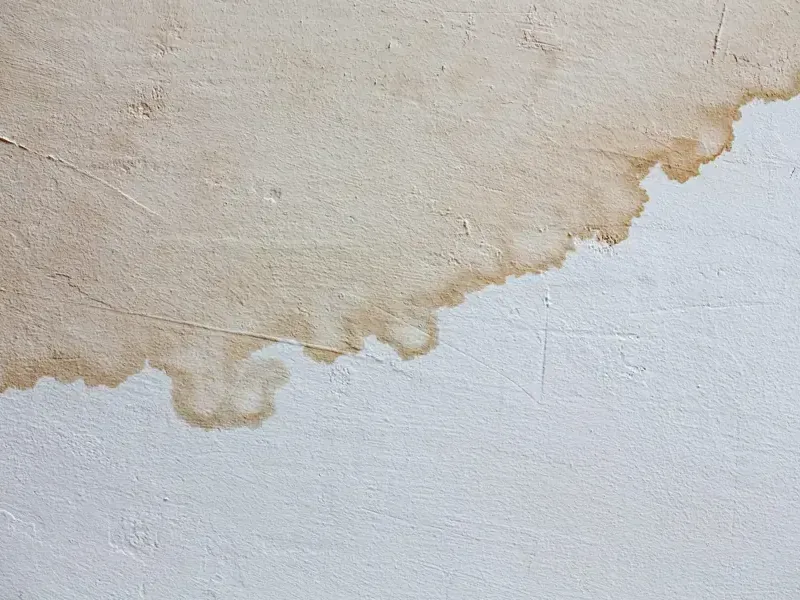
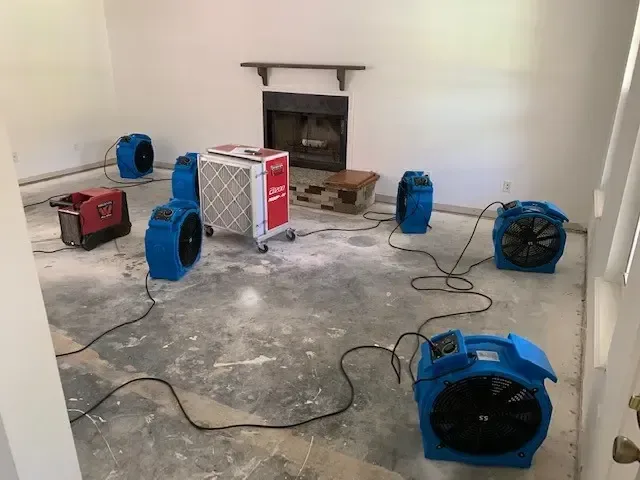
Adjust the drying environment
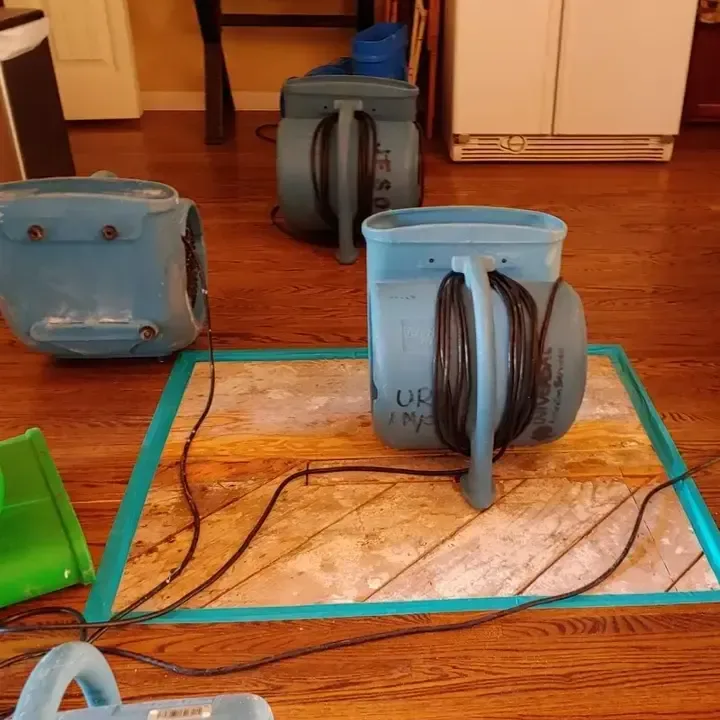
Air movement and humidity control respond to measured conditions. Stalled readings prompt another look at trapped moisture, equipment placement or a continuing leak.
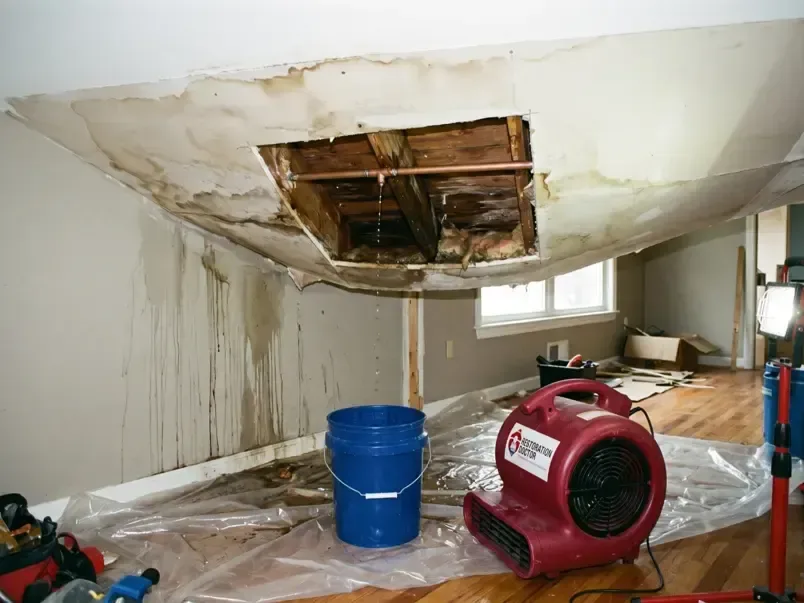
Explain the finished scope
A documented walkthrough connects the original damage with completed work and identifies remaining plumbing, roofing or finish repairs for the next contractor.
A recovery sequence with clear checkpoints
- Locate the release
- Track material readings
- Explain remaining repairs
Describe access as well as location
Mailing labels and city limits can differ
The Acworth postal area extends into several counties. Some properties within the city limits use a Kennesaw mailing address, so the actual site location matters.
Describe entry arrangements, locked rooms and affected floors when requesting an assessment. Those details help define access to the damaged space.
(888) 532-4616Discuss access to the propertyLocal reference points
ZIP areas
Other service areas
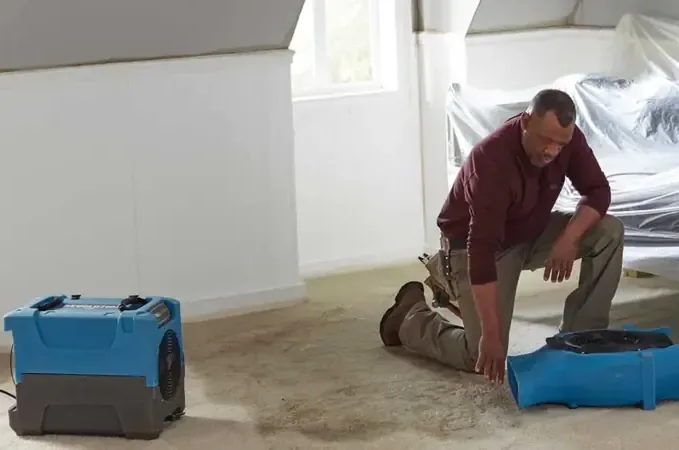
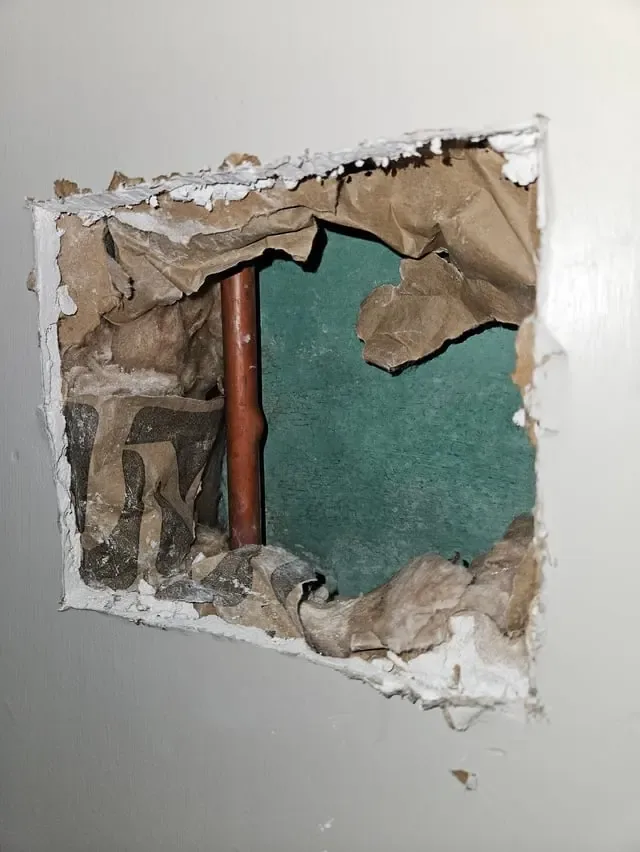
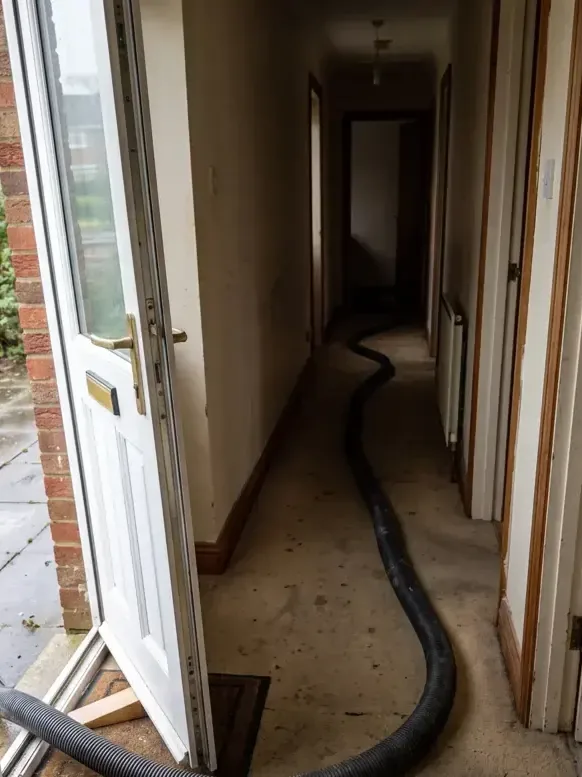
Equipment and materials during the cleanup process
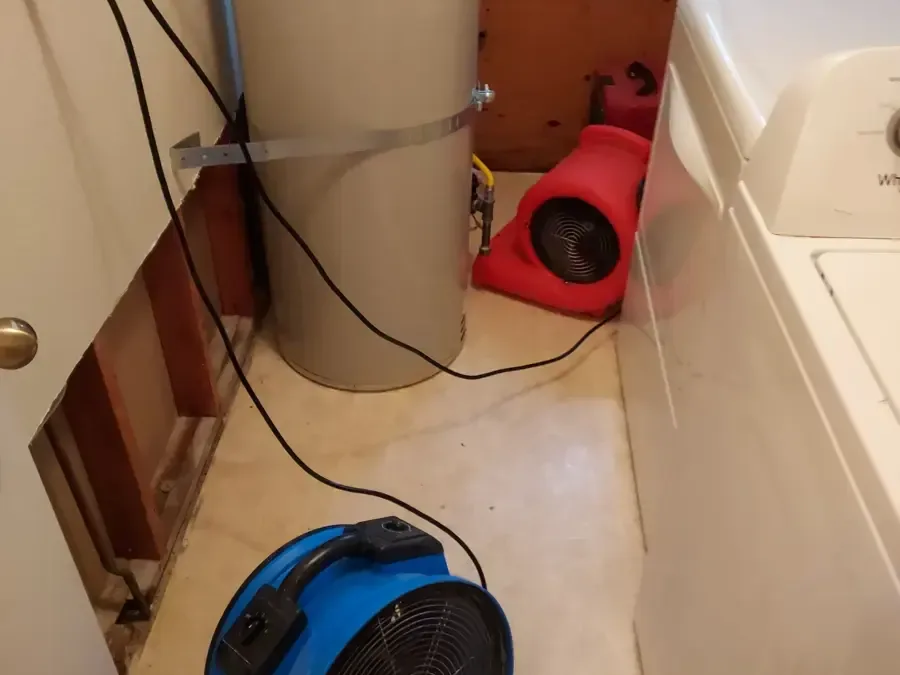
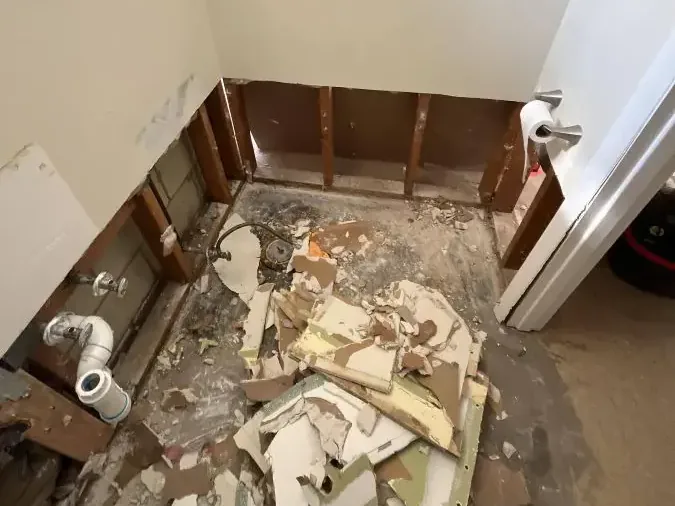
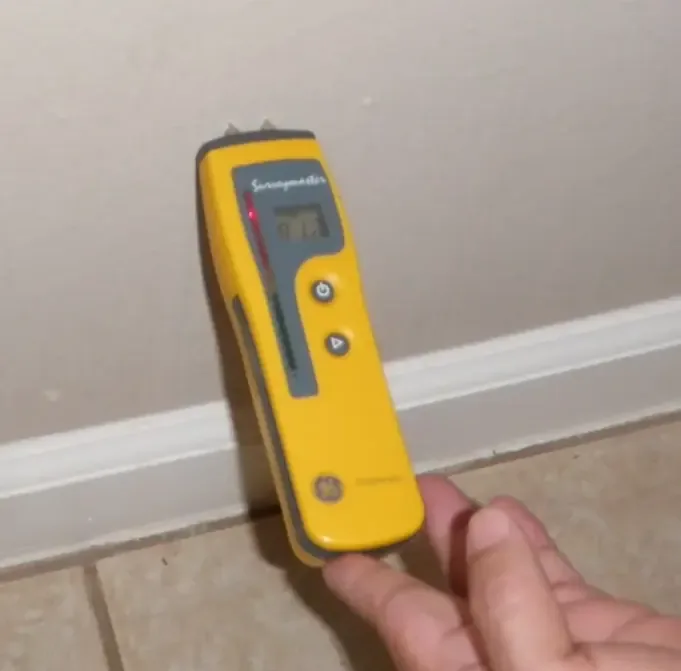
Decisions tied to material condition
Visible water marks only part of a loss. Useful recovery records connect the source, affected layers, removal choices and moisture measurements throughout the work.
Specific affected areas
A room map distinguishes wet materials from dry surroundings so demolition and equipment placement follow the actual footprint rather than appearances alone.
Explain removal choices
A swollen cabinet base or contaminated porous panel needs a clear explanation of why it stays, receives treatment or leaves the property.
Track concealed moisture
Readings at floor edges and wall cavities help identify remaining dampness before new finishes cover the places that were hardest to inspect.
Document the handoff
The final record should explain drying progress, outstanding source repairs and any rebuilding work still needed before the affected space returns to regular use.
What shapes water cleanup costs in Acworth?
The size of the wet area is only one cost factor. Concealed moisture, contaminated materials, access and equipment monitoring also affect the scope. An inspection should separate immediate cleanup from source repair and later reconstruction.
Small accessible loss
$500 to $1,500
- Localized surface water
- Limited material exposure
- Simple equipment access
Several affected layers
$1,500 to $4,000
- Connected wet areas
- Cavity moisture checks
- Additional drying equipment
Extensive interior damage
$4,000 to $10,000+
- Broader removal needs
- Complex drying zones
- Contaminated material handling
These planning ranges help compare scope descriptions. A written property estimate should identify included tasks, exclusions and conditions that could change the work.
Separate documentation from coverage decisions
Photos, moisture records and an itemized scope can support a claim conversation. The policy and insurer determine coverage, so cleanup records should describe what happened clearly.
- Photographs of the visible source area
- Notes on when water was discovered
- Affected belongings listed by room location
- Written scope with removal and drying tasks
- Receipts for approved emergency work completed
When paying directly
A direct payment estimate should distinguish necessary mitigation from optional finish upgrades. Ask for the affected areas, equipment assumptions and disposal tasks to be itemized.
Changes discovered during opening should come with photographs and an explanation. A revised scope is easier to evaluate when new damage is identified by location.
Protect people while limiting the spread
- Avoid unsafe rooms Keep occupants away from sagging ceilings, submerged outlets and wastewater. A dry doorway does not make the space beyond it safe.
- Control an accessible source A reachable shutoff may limit a plumbing loss. Do not cross standing water or handle wet electrical equipment to reach it.
- Record visible changes Photograph the source area and affected surfaces from safe ground. Include belongings and the route water has taken between rooms.
- Move dry valuables Relocate items that remain safely reachable without entering the affected zone. Leave heavy furniture and soaked appliances for an assessed handling plan.
- Describe the property Report the occupied rooms, access restrictions and any continuing flow so the assessment starts with the building's immediate concerns.
Local context, practical precautions
Lake Acworth and Lake Allatoona sit beside a city with homes and downtown businesses. Inside any affected building, the source and water path determine cleanup priorities.
August 2024: A grease blockage caused a sewage spill near Lake Acworth, prompting access restrictions at the Beach at Cauble Park and bacteria testing.
Sewer reporting
Cobb County Water System directs reports of sewer backups in homes or streets to emergency dispatch. Indoor contamination also needs a separate property cleanup assessment.
Public pipe damage
Gushing or severely leaking broken water pipes belong with the utility's emergency dispatch. Keep clear of the release and describe its visible location when reporting.
Historic commercial setting
Historic Downtown Acworth contains shops and restaurants. Water entering a business requires attention to stock, work areas and customer routes as well as the damaged finishes.
Different household arrangements
Owner occupancy was estimated at 59.8% in the 2020 to 2024 survey. Residents and property managers need clear communication about entry, documentation and authorized repairs.
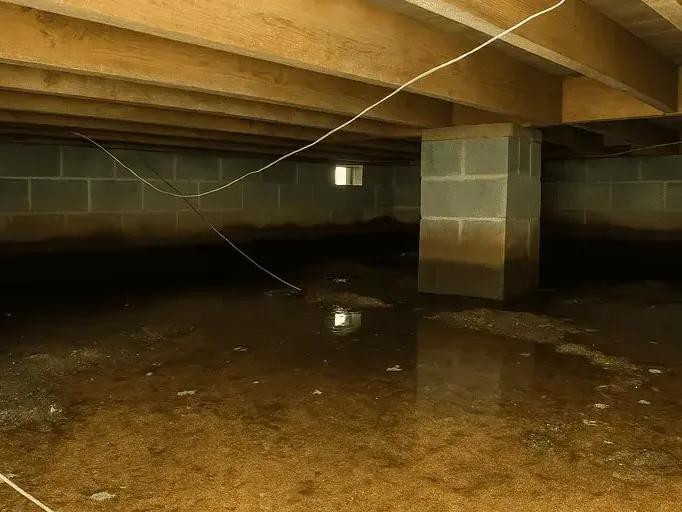
Underfloor uncertainty
A wet room can hide moisture beneath its finished floor. Inspection should establish the actual foundation and accessible layers before selecting a removal or drying method.
Choose precautions before touching wet materials
Supply water release
A pipe failure can spread through cavities even when the original water looks clear. Isolation and prompt removal help limit continuing exposure.
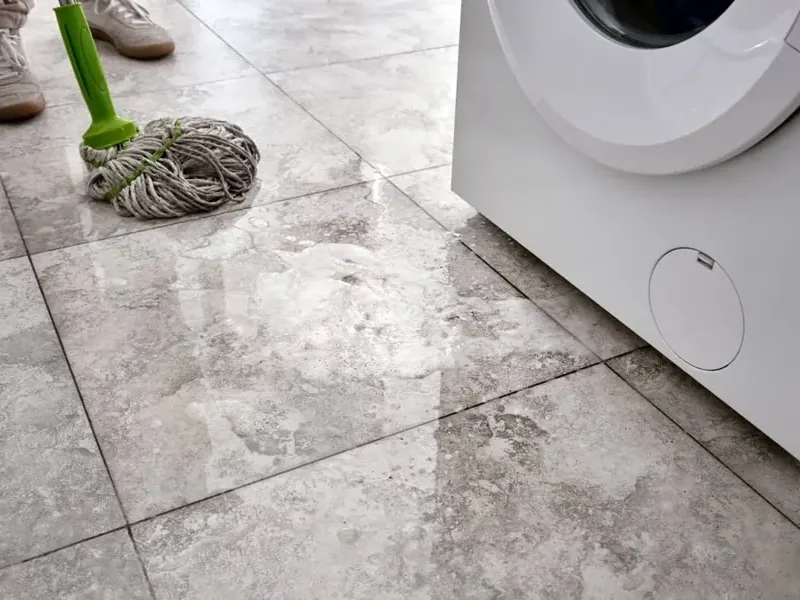
Follow pipe recoveryEquipment overflow
Appliance water may include detergent or waste from the machine. Contents and floor layers need inspection before ordinary household cleaning is considered.
Inspect appliance damageWastewater entering rooms
Sewage demands controlled access and careful material handling. Occupants should avoid carrying wet belongings across dry rooms or using household fans nearby.
Understand contamination precautionsWater damage help in nearby communities
Water-loss decisions at home
Acworth Sewage Reporting and Indoor Cleanup
Acworth sewage backups need a clear report, restricted access and careful material handling. Learn how utility coordination fits an indoor cleanup plan.
Acworth Wet Floors Before Finish Replacement
Acworth wet floors need a layer by layer assessment before replacement. Learn how finish samples, moisture records and repair access shape the handoff.
Villa Rica Downtown Shop Water Loss and Stock Protection
Villa Rica shop water losses need stock records, protected access and clear repair authority. See how cleanup planning supports the next business decision.
Questions before property cleanup
Make the first conversation concrete
Describe the visible water, whether it is still spreading and any unsafe areas. Those observations help frame the first property assessment.
(888) 532-4616Explain the damage foundDoes standing water have to disappear before inspection?
No. Inspection and safe removal can be planned together. The assessor needs to understand the water source, room access and electrical hazards before extraction begins. Occupants should avoid entering standing water simply to measure its depth or move equipment.
Can a dry floor still have wet layers underneath?
Yes. The exposed surface may dry while joints, backing or subfloor material retain moisture. Readings and selective access help identify those layers. Replacing a floor covering before checking underneath can conceal material that still needs drying or removal.
Who handles a sewer backup report?
Cobb County Water System directs sewer backup reports to emergency dispatch. A report can address the sewer problem while a cleanup assessment addresses affected rooms and contents. Keep people out of contaminated areas and avoid flushing fixtures that are backing up.
What should a tenant tell a property manager?
Report the discovery time, visible source and affected rooms promptly. Share photographs taken from safe areas and explain any loss of access. The manager can coordinate authorization and source repairs while the resident protects reachable belongings outside the wet zone.
Is a small ceiling stain safe to paint?
The stain should be traced before painting. Moisture may remain above the visible mark, and a continuing leak can damage the new finish. Sagging, softness or water near a light fixture calls for keeping the area clear until assessed.
How is the amount of drying equipment selected?
Equipment selection considers wet materials, room conditions, access and the moisture load. Placement should change when measurements show poor progress. A larger collection of fans alone is not a substitute for locating trapped water and controlling indoor humidity.
Are restoration and plumbing repair the same scope?
They address different parts of the loss. Plumbing repair stops a failed supply or drain component; restoration removes water and treats affected building materials. The written scope should explain who handles each task and where finish reconstruction begins.
What changes the estimate after work begins?
Opening an affected area can expose wet insulation, additional floor layers or contamination beyond the visible footprint. Documentation should show the newly discovered condition. An updated estimate should connect additional tasks to that finding and identify the affected area.
Does the August 2024 lake incident describe today's conditions?
That event is a historical sewage incident. Current access information should come from officials before visiting affected outdoor areas. For a present indoor water loss, the property inspection must establish its own source, extent and contamination precautions before cleanup proceeds.
Start with a clear account of the damage
Describe what is wet, where the water appeared and whether it continues spreading so the next steps fit the property.
(888) 532-4616Arrange a damage discussion