Storm and Flood Cleanup in Acworth
Outdoor water can bring sediment through a doorway and leave moisture behind finished surfaces. Recovery begins by checking safe access, continuing entry and the materials exposed to the incoming water.
(888) 532-4616Discuss outdoor water entering rooms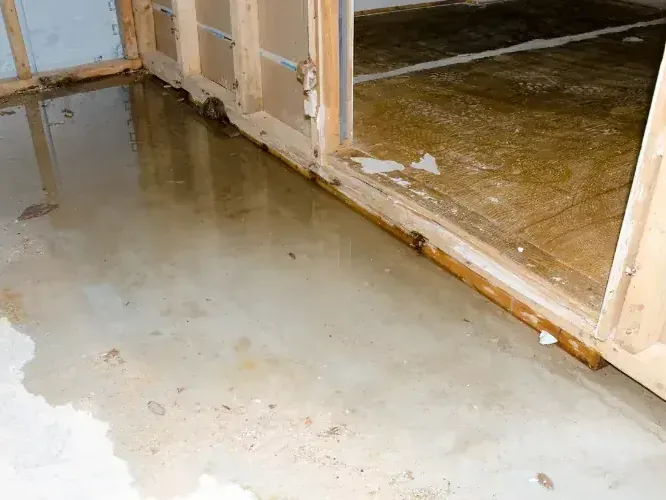
Professional attention for storm and flood cleanup
Rapid local response
The response team treats active water movement as urgent. Dispatch records the source, affected rooms and safe entry conditions so the extraction plan starts with the actual problem.
IICRC S500 drying standard
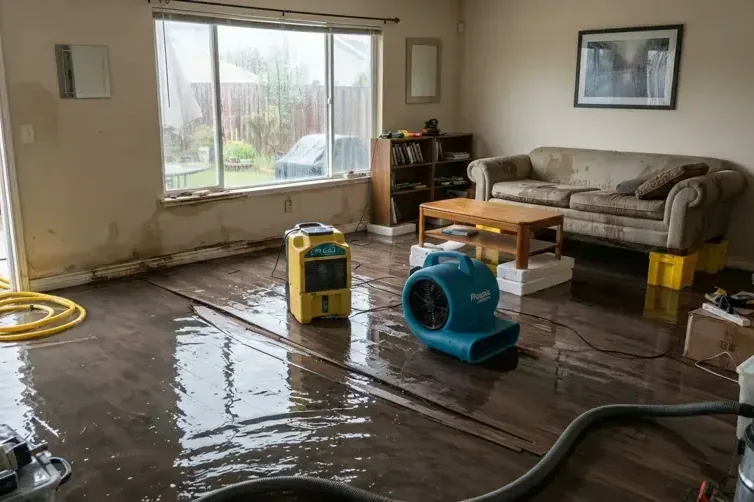
The drying team measures wet materials against a dry reference, manages evaporation with extraction and dehumidification, and adjusts equipment as readings change through the drying cycle.
Claim-ready documentation
The restoration technician records visible damage before removal, maps concealed moisture and maintains dated progress notes. That record separates emergency mitigation work from subsequent plumbing or building repairs.
Local water experts
The inspection follows the route water took through the property. Floor transitions, wall cavities and concealed layers receive attention even when the visible puddle occupies only a small area.
First steps for storm and flood cleanup
Check the approach first
Observe access from a dry location and follow current official restrictions. Do not cross moving water or enter a room where power safety is uncertain.
Record the visible entry
Photograph door thresholds or other openings when safely accessible. Include water marks and debris so the source investigation retains context after the room is cleared.
Keep clean areas separate
Leave wet shoes, furniture and storage boxes inside the restricted work boundary. Avoid transferring sediment into unaffected rooms while trying to salvage individual household belongings.
Arrange an exposure assessment
Describe outdoor entry, room use and affected floor coverings. The cleanup scope should address liquid, debris and porous materials before the remaining structure is dried.
What does storm and flood cleanup cost in Acworth, GA?
Acworth storm cleanup ranges vary with indoor exposure, contaminated materials and the access needed for removal. A property estimate should distinguish water extraction, debris handling, cleaning and drying from exterior repairs or replacement of damaged finishes.
Limited interior entry
$2,000 to $4,000
- Defined entry footprint
- Accessible debris removal
- Focused surface treatment
Several affected rooms
$4,000 to $8,000
- Connected wet zones
- More porous losses
- Expanded cleaning access
Extensive indoor flooding
$8,000 to $12,000+
- Widespread material exposure
- Complex disposal handling
- Broader structural drying
Water category, wet area, material class and the delay before drying shape the scope. The water damage cost calculator provides an estimate only.
Documentation for your insurance claim
The claim file contains a moisture map, daily psychrometric logs, timestamped pre-demolition photos and a line-item scope. The restoration team records the water category and affected material class. Sudden accidental leaks, outside flooding and sewer backups can receive different treatment under a policy. The policyholder checks coverage and deductibles with the insurer before assuming any payment.
How storm and flood cleanup is handled
The restoration plan follows the source, the wet materials and the measurements taken through each stage.
Establish the entry history
The assessment records where outdoor water entered, what remains unsafe and whether the source continues. Occupied spaces and clean access routes shape the work boundary.
Remove liquid and sediment
Water and debris receive controlled removal, with exposed contents documented before handling. Material decisions account for contamination as well as visible swelling or damage.
Open and clean hidden edges
Selective access allows treatment of surfaces that the incoming water reached beneath coverings or behind trim. Remaining inaccessible areas are identified in the continuing scope.
Dry retained building materials
Measurements establish the moisture load after cleaning. Drying progress and outstanding exterior repairs are documented so replacement finishes are not installed over unfinished recovery work.
More about storm and flood cleanup in Acworth
Muddy tracks across a floor tell only part of an outdoor water loss. Fine sediment can remain beneath contents and along wall edges after the open puddle recedes. Acworth flood cleanup needs to account for that exposure, the route water took through the building and whether an opening continues admitting more water during the assessment.
Treat outdoor water as a material exposure problem
Lake Acworth and Lake Allatoona are adjacent lakes. The city's outdoor setting includes Dallas Landing and other public parks, but an indoor cleanup plan begins at the affected building. Water entering at a threshold, wall opening or damaged roof needs its own source record and a description of the surfaces it reached.
- Photograph entry points from a dry position before loose debris is moved.
- Identify rooms where sediment or water has crossed a floor transition.
- Keep outdoor footwear and soaked contents away from unaffected interior spaces.
August 2024: A sewage spill prompted restrictions at the Beach at Cauble Park and bacteria testing. That historical event highlights the importance of official access instructions around outdoor contamination. Current restrictions should be checked through officials, while a present property loss is assessed for its own water source and material exposure.
Plan disposal around the actual wet footprint
Floodwater can carry contamination into absorbent floor coverings, wall bases and stored belongings. Extraction removes liquid but cannot make every exposed item recoverable. The assessor should distinguish washable surfaces from porous losses, record the condition of affected contents and establish a route for waste that avoids carrying residue through dry rooms.
- List exposed contents before moving them changes the original room layout.
- Check concealed pockets behind trim where sediment and moisture can accumulate.
- Separate reusable equipment from items awaiting a contamination assessment or disposal.
Where water has passed under cabinets or into a wall cavity, selective access may be needed for cleaning. A clear scope explains why each opening is necessary and what finish work follows. Sewage backup cleanup provides a related path when wastewater, rather than rain entry alone, is part of the loss.
Water still affecting the floor?
Outdoor water leaves a cleanup task that extends beyond the puddle. Describe the entry opening, visible debris and affected rooms so the assessment can address contamination and retained moisture together.
(888) 532-4616Discuss floodwater inside the propertyUse the cleaned structure to set drying targets
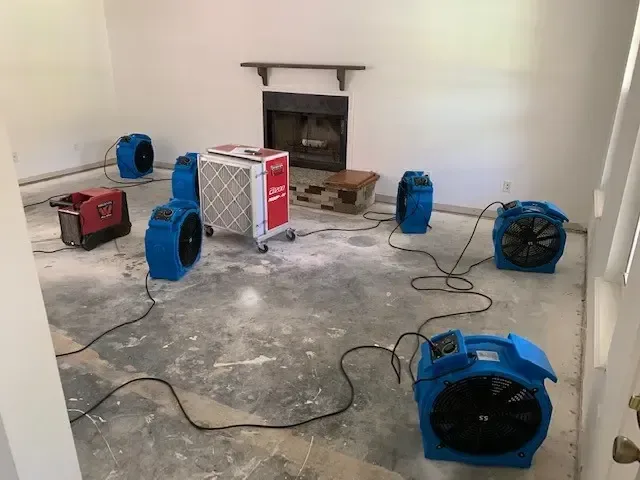
Once debris and unsuitable materials are removed, the remaining assembly can be evaluated for drying. Readings should include the surfaces that held water longest and adjoining areas where moisture migrated. Equipment placement must respect the cleaned work boundary, accessible power and the occupants' safe route through any rooms that remain usable.
- Keep source correction visible in the plan if exterior entry remains possible.
- Record floor and wall measurements after removal exposes the retained materials.
- Explain which areas remain closed while drying or rebuilding is unfinished.
Do not enter moving or electrically exposed water
A reachable doorway does not make a flooded room safe. Stay clear of submerged outlets, unstable ceilings and contaminated water. Avoid operating household fans over dirty surfaces. Entry and power isolation should be assessed before cleanup activity begins inside the affected building.
Storm and flood cleanup in Acworth
Access conditions matter when outdoor water affects a building. Describe passable entrances, occupied rooms and any continuing flow so the assessment can distinguish safe interior work from areas that remain restricted.
The same service nearby: storm and flood cleanup in Lithia Springs, Hiram, Villa Rica.
Related water damage services in Acworth
Storm and Flood Cleanup questions
Talk through the wet areas
Outdoor water leaves a cleanup task that extends beyond the puddle. Describe the entry opening, visible debris and affected rooms so the assessment can address contamination and retained moisture together.
(888) 532-4616Discuss floodwater inside the propertyIs rainwater inside a house always clean?
Water can collect contaminants as it crosses outdoor surfaces and enters a building. The route and exposed materials matter when setting cleanup precautions. Treating every outdoor intrusion as a simple household spill can leave contamination beneath the visible surface.
Can cleanup start while water is still entering?
Some protective tasks may be possible from safe areas, but continuing entry changes the scope and can undo removal work. The assessment should identify source control and access limits before equipment is placed in the affected interior.
Should sediment be swept out before photographs?
Preserve a safe photographic record first when possible. Sediment marks help show the water route and exposed areas. Avoid dry sweeping contaminated residue through occupied rooms; removal should follow the cleanup method selected for the condition.
Do the lake restrictions from 2024 still apply?
The August 2024 restrictions belong to that documented incident. Current outdoor access conditions should be obtained from officials. An indoor loss today requires a separate inspection of the actual source, contaminants and damaged materials at the property.
Can wet storage boxes be carried into a dry room?
Cardboard and contents can carry water and residue into unaffected areas. Keep exposed items within the assessed boundary until handling is planned. Photograph and list them from a safe position rather than spreading the loss during sorting.
What happens after the dirty water is removed?
Affected surfaces need suitable cleaning, and porous losses may require removal. Remaining structural materials then need moisture measurements and drying. The recovery record should distinguish these stages and identify exterior repairs that prevent another entry.
Rebuild from a cleaned, measured structure
A documented removal and drying plan gives later repairs a clearer starting point after outdoor water has entered the building.
(888) 532-4616Arrange storm exposure assessment