Storm and Flood Cleanup in Villa Rica
Outside water can leave more than a wet floor. Cleanup starts by identifying the entry route, checking what the water carried inside and separating damaged materials from surfaces that can remain.
(888) 532-4616Discuss rainwater inside the building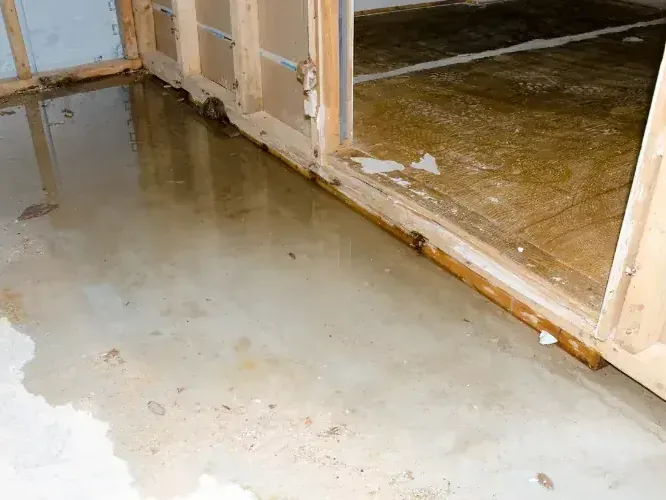
Professional attention for storm and flood cleanup
Rapid local response
The response team treats active water movement as urgent. Dispatch records the source, affected rooms and safe entry conditions so the extraction plan starts with the actual problem.
IICRC S500 drying standard
The drying team measures wet materials against a dry reference, manages evaporation with extraction and dehumidification, and adjusts equipment as readings change through the drying cycle.
Claim-ready documentation
The restoration technician records visible damage before removal, maps concealed moisture and maintains dated progress notes. That record separates emergency mitigation work from subsequent plumbing or building repairs.
Local water experts
The inspection follows the route water took through the property. Floor transitions, wall cavities and concealed layers receive attention even when the visible puddle occupies only a small area.
First steps for storm and flood cleanup
Check the approach
Stay outside flooded areas and look for unstable ceilings, damaged openings or wet electrical equipment. No belongings justify crossing a hazardous route into the building.
Identify continued entry
Describe whether rain or outside water is still entering. Safe source protection needs coordination before newly dried surfaces or relocated contents face another wetting event.
Record affected contents
Photograph visible damage and group the written inventory by room. Avoid carrying dirty wet items through clean parts of the property before handling is arranged.
Explain building access
Mention the usable entrance, any blocked doorways and the rooms affected. These details shape equipment movement and the separation of cleanup work from occupied spaces.
What does storm and flood cleanup cost in Villa Rica, GA?
Storm and flood cleanup in Villa Rica varies with outside contamination, debris, wet material layers and the area needing treatment. The scope should separate interior mitigation from permanent repairs to the opening that allowed water inside.
Limited interior entry
$2,000 to $4,000
- Defined entry footprint
- Accessible debris removal
- Targeted surface cleaning
Several affected rooms
$4,000 to $8,000
- Connected wet finishes
- Broader contamination assessment
- Additional drying zones
Extensive indoor flooding
$8,000 to $12,000+
- Widespread material exposure
- Complex contents handling
- Expanded restoration access
Water category, wet area, material class and the delay before drying shape the scope. The water damage cost calculator provides an estimate only.
Documentation for your insurance claim
The claim file contains a moisture map, daily psychrometric logs, timestamped pre-demolition photos and a line-item scope. The restoration team records the water category and affected material class. Sudden accidental leaks, outside flooding and sewer backups can receive different treatment under a policy. The policyholder checks coverage and deductibles with the insurer before assuming any payment.
How storm and flood cleanup is handled
The restoration plan follows the source, the wet materials and the measurements taken through each stage.
Assess intrusion conditions
The inspection distinguishes rain entry from outside flooding and identifies continuing exposure. Water paths, contamination concerns and building access establish the first interior cleanup decisions.
Plan controlled removal
Water, debris and unsuitable materials are assigned removal methods and routes. Affected belongings receive handling decisions before work crosses thresholds into otherwise usable parts of the building.
Clean then dry
Retained surfaces are cleaned according to their exposure and construction. Drying addresses the moisture within the remaining assembly, with readings used to locate slower sections.
Coordinate the handoff
The record separates completed cleanup, remaining finish repairs and outstanding entry protection. Material checks help determine when replacement work can proceed without concealing wet construction.
More about storm and flood cleanup in Villa Rica
Rain passing through a damaged opening and outside floodwater crossing a threshold create different interior problems. At an Ashbury property, the first account should identify where water entered and what rooms it reached. Debris, sediment and contact with outdoor surfaces affect handling decisions before extraction begins. A wet room needs that source description, not just a floor measurement.
Read the entry path before moving contents
A door, roof opening or other breach can send water through several connected surfaces. Inspect the actual route and record any continuing entry. Temporary source protection and interior removal may need coordination, but the cleanup estimate should identify each task clearly. Returning contents to a room before entry is controlled can expose them again.
- Photograph the visible entry point from a position outside the wet area.
- Identify deposited dirt and debris without handling them with bare hands.
- Note whether water crossed a doorway into rooms that initially seemed dry.
Camden Lake is a neighborhood location reference for arranging an assessment. At an affected home there, room conditions determine the work: water behind trim, wet floor layers and damaged contents each need attention. The cleanup plan follows the inspected intrusion and contamination, with removal decisions explained before materials leave the property.
Account for dirty water and hidden layers
Outside water can introduce contamination that remains after the floor is pumped. Absorbent coverings and wall bases require an exposure assessment. Hard surfaces may also need cleaning at joints and edges before drying proceeds. After extraction, the inspection checks every affected layer for contamination and retained water before the cleaning scope is complete.
- Separate potentially contaminated contents from items that remained dry and protected.
- Assess porous coverings before deciding whether drying in place is appropriate.
- Expose inaccessible wet edges when the retained assembly needs further treatment.
Powell Park has baseball and softball fields. When describing a property near that familiar location, include the building entrance and damaged room as well as the landmark. Equipment access, occupied spaces and material handling routes matter to the interior job. The location alone cannot replace a description of what happened inside the building.
Water still affecting the floor?
Water entering from outside needs a clear account of its path and what it touched. Describe the opening, debris and rooms reached when discussing the cleanup assessment.
(888) 532-4616Review the outside water entryRebuild the room from a stable starting point
Cleaning and drying should be coordinated with source repairs. Measurements on retained materials track the moisture left after liquid and debris removal. The work record needs to identify any remaining wet cavities and replacement finishes. It should also distinguish temporary entry control from permanent correction so the property owner understands what remains outstanding.
- Record cleaned surfaces separately from finishes that require replacement or repair.
- Monitor the materials beneath the surface as drying equipment remains in use.
- Confirm access for remaining trades without reopening contaminated handling routes.
Where water entered overhead, the roof leak page describes inspection above the ceiling. For a threshold intrusion, the focus may be lower wall and floor assemblies instead. Following the actual route keeps the restoration scope tied to the affected construction and avoids treating every storm-related interior loss as identical.
Keep outside water away from occupied routes
Flooded floors may conceal sharp debris or electrical hazards. Avoid walking through the room to retrieve possessions, and keep children and pets outside the affected boundary. Any question about structural stability or electrical safety needs attention before removal work begins. Observations from a dry position are enough for the initial call.
Storm and flood cleanup in Villa Rica
For storm water inside a Villa Rica property, identify the neighborhood and affected entrance. Ashbury, Camden Lake and other locations need an assessment of the actual water entry and interior spread.
The same service nearby: storm and flood cleanup in Lithia Springs, Hiram, Union City.
Related water damage services in Villa Rica
Storm and Flood Cleanup questions
Talk through the wet areas
Water entering from outside needs a clear account of its path and what it touched. Describe the opening, debris and rooms reached when discussing the cleanup assessment.
(888) 532-4616Review the outside water entryIs rain through a window treated like outside flooding?
The entry route and exposure need separate assessment. Water that crossed outdoor ground or carried debris presents different handling concerns from rain passing directly through an opening. Cleanup decisions follow what the water contacted and which interior materials became wet.
Can a floor be cleaned while water still enters?
Removal may be needed to manage accumulation, but ongoing entry must also receive attention. Otherwise the same surfaces can become wet again. The work plan should explain source protection and interior cleanup as coordinated tasks with clear responsibilities.
Should wet household items be thrown out immediately?
Keep a photographic record before disposal when safe access permits. Contaminated or damaged items need handling decisions, but carrying them through dry rooms can spread the problem. An organized inventory and removal route help preserve information while limiting additional exposure.
Why remove coverings after the standing water is gone?
Some coverings retain contamination or hide wet material beneath them. Inspection of those layers determines whether they can remain. The assessment considers exposure, condition and cleaning access, then explains which layers need removal before the structure can be dried.
Can belongings return while the room is drying?
The work area needs clear access to retained materials and equipment. Returning stored contents too early can obstruct airflow or hide wet edges. Discuss the drying layout and remaining material checks before bringing furniture or household storage back into the affected room.
What belongs in a storm cleanup record?
Useful records include the entry location, discovery circumstances, affected rooms, damaged contents and completed work. Keep permanent source repairs distinct from removal, cleaning and drying. Moisture information helps explain when retained construction is ready to receive its replacement finishes.
Recover the interior after storm water intrusion
A practical scope connects source protection, controlled removal and drying with the surfaces and contents actually affected inside the building.
(888) 532-4616Discuss the flooded room conditions