Structural Drying in Lithia Springs, GA
The drying team measures wet materials, sets an appropriate drying environment and adjusts equipment as the structure responds. The goal is documented moisture reduction through the assembly, beyond a dry-looking surface.
(888) 532-4616Arrange measured structural drying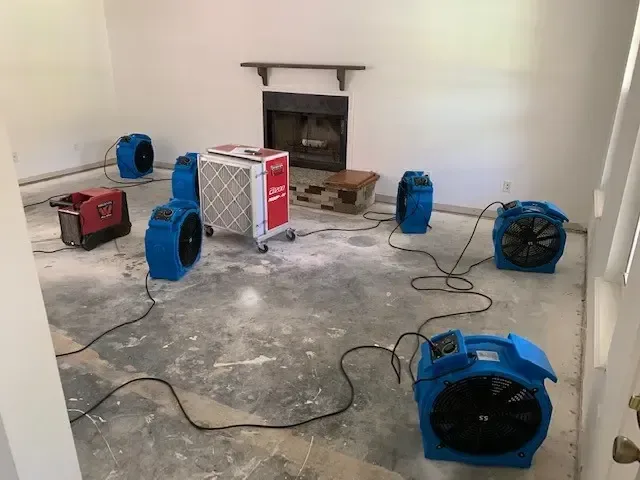
Professional attention for structural drying and dehumidification
Rapid local response
The response team treats active water movement as urgent. Dispatch records the source, affected rooms and safe entry conditions so the extraction plan starts with the actual problem.
IICRC S500 drying standard
The drying team measures wet materials against a dry reference, manages evaporation with extraction and dehumidification, and adjusts equipment as readings change through the drying cycle.
Claim-ready documentation
The restoration technician records visible damage before removal, maps concealed moisture and maintains dated progress notes. That record separates emergency mitigation work from subsequent plumbing or building repairs.
Local water experts
The inspection follows the route water took through the property. Floor transitions, wall cavities and concealed layers receive attention even when the visible puddle occupies only a small area.
First steps for structural drying and dehumidification
Confirm the source has stopped
The owner shares plumbing or roofing repair findings. The drying technician checks for renewed moisture before treating the remaining water as a stable drying load.
Keep measurement points accessible
Furniture and stored items stay away from marked wall and floor locations. Repeat access lets the technician compare the same materials through the drying cycle.
Maintain the equipment setup
Occupants avoid unplugging or relocating machines without discussing the plan. Airflow, power and condensate arrangements support a controlled environment rather than isolated fan use.
Delay finish replacement
The owner coordinates reconstruction around the drying record. New coverings wait until the relevant materials meet their goal and any separate trade clearances are complete.
What does structural drying and dehumidification cost in Lithia Springs, GA?
Structural drying in Lithia Springs commonly costs $1,000 to $7,000 or more. Wet material volume, access, equipment capacity and monitoring duration drive the scope; extraction, removal and reconstruction may appear as separate work items.
Contained accessible assembly
$1,000 to $2,200
- Initial moisture map
- Focused equipment setup
- Repeat material checks
Several rooms or cavities
$2,200 to $4,500
- Multiple drying zones
- Humidity monitoring
- Access adjustments
Dense or extensive wet structure
$4,500 to $7,000+
- Specialized drying approach
- Longer measurement period
- Complex handoff records
Water category, wet area, material class and the delay before drying shape the scope. The Lithia Springs water damage cost calculator provides an estimate only.
Documentation for your insurance claim
The claim file contains a moisture map, daily psychrometric logs, timestamped pre-demolition photos and a line-item scope. The restoration team records the water category and affected material class. Sudden accidental leaks, outside flooding and sewer backups can receive different treatment under a policy. The policyholder checks coverage and deductibles with the insurer before assuming any payment.
How structural drying and dehumidification is handled
The restoration plan follows the source, the wet materials and the measurements taken through each stage.
Establish baseline readings
The technician records the wet assemblies and suitable dry references, checking source control and material condition before selecting equipment and defining the drying goal.
Set the environment
The drying crew positions airflow and dehumidification around the accessible wet load, protecting power and condensate routes while keeping work zones compatible with safe occupancy.
Review daily response
The technician compares environmental and material measurements, investigates stalled areas and adjusts access or equipment when the structure is not responding as expected.
Verify and hand over
The final record identifies readings, measurement locations and any remaining limitations, giving the owner and reconstruction trades a clear basis for the next stage of work.
More about structural drying and dehumidification in Lithia Springs
Drying equipment is useful only when the plan matches what is wet. The technician identifies material layers, sets reference points and checks that the source has stopped adding water. Air movers support evaporation; dehumidifiers remove the released vapor. The record combines environmental readings with measurements in the materials themselves so a comfortable room does not hide a wet structure.
Map each assembly instead of counting machines
In Heritage Square, a wet wall and the floor beneath it may need different access. In Chestnut Log or Kensington Park, remodeling can add layers that change how moisture escapes. The drying technician inspects the actual assembly and checks both sides where practical. Equipment count follows the wet load and conditions, not a fixed number per room.
- Identify carpet pad, wood layers, gypsum, insulation and dense surfaces separately.
- Choose comparable unaffected materials as dry references.
- Mark repeatable readings at the wet edge and the most saturated locations.
A thermal image can highlight temperature differences that deserve inspection, but it does not replace a moisture measurement. The technician uses suitable instruments and confirms what the pattern means. The water extraction page explains why liquid removal comes before relying on evaporation.
Build a drying environment the materials can use
Airflow must reach the wet surface, and the surrounding air must accept moisture. LGR dehumidifiers help control humidity; dense materials or difficult conditions may call for another drying approach. The crew evaluates access beneath floor coverings and behind cabinetry before expecting room airflow to dry a concealed layer.
- Keep drying zones controlled so outside humidity does not overwhelm the equipment.
- Route condensate and electrical supply safely.
- Remove unsuitable wet layers that block drying or cannot be restored hygienically.
Homes along Thornton Road can contain open living areas beside tight utility spaces. The technician adjusts placement and checks each zone rather than applying one reading to the whole building. Equipment stays arranged around the work plan; occupants should consult the crew before unplugging or moving a machine.
Water still affecting the floor?
A dry surface can hide wet layers underneath. The drying technician maps the assembly, records repeat readings and changes the setup when material progress stalls.
(888) 532-4616Discuss the moisture readingsUse the trend to decide the next action
Repeated readings show whether moisture is falling, stalled or returning. A stalled location may need better access, a revised drying environment or another source check. The technician records those changes so the owner can understand why the setup evolves. A calendar estimate is useful for planning, but measured progress determines equipment removal.
- Compare like materials with the same appropriate measurement method.
- Record temperature and humidity alongside material readings.
- Document any area that remains inaccessible or requires later verification.
The drying goal can use a suitable dry reference, with wood readings commonly compared within a few points under the chosen protocol. Concrete and flooring installation require material-appropriate interpretation and may need additional substrate testing. The drying estimator cannot substitute for those field measurements.
Do not close a wet cavity early
The household keeps opened areas accessible until the restoration technician confirms the relevant drying goal. New drywall, insulation or flooring can trap remaining moisture and hide the evidence needed for follow-up. Electrical and structural repairs also need their own professional clearance before an assembly returns to normal use.
Structural drying and dehumidification in Lithia Springs
Service coverage includes ZIP 30122, Beechwood Hills, Chestnut Log, Heritage Square, Park Forest and homes along Mount Vernon Road. Dispatch uses the property location and access conditions to plan the response.
Water damage response is available 24/7.
Related water damage services in Lithia Springs
Structural Drying and Dehumidification questions
Talk through the wet areas
A dry surface can hide wet layers underneath. The drying technician maps the assembly, records repeat readings and changes the setup when material progress stalls.
(888) 532-4616Discuss the moisture readingsWhy are fans alone sometimes insufficient?
Air movement helps evaporation, but humid air cannot accept unlimited moisture. Dehumidification removes released vapor, and access lets airflow reach wet materials. The drying technician combines those elements and checks the material response rather than relying on fan noise.
What does IICRC S500 mean for the work?
IICRC S500 describes water damage restoration principles and procedures. A drying plan uses assessment, source control, contamination decisions and documented moisture monitoring. Mentioning the standard describes the method; the actual job record shows how the structure responded.
Can thermal imaging prove a wall is dry?
Thermal imaging reveals surface temperature patterns that may suggest moisture. Other conditions can create similar patterns. The technician uses suitable moisture instruments and inspection to confirm the material condition before deciding whether additional access or drying is needed.
How long does a typical dry-out take?
A contained loss may dry over several days, while dense materials and inaccessible layers can take longer. The measured trend controls the endpoint. The crew explains changes to the planning window when the material response or access conditions change.
Why should equipment remain on between visits?
Interrupting airflow or dehumidification changes the drying environment and can slow progress. The crew selects operating conditions for the wet load. Occupants should discuss noise, power or access concerns with the technician so any adjustment preserves an effective plan.
Are final readings useful for replacement flooring?
The restoration record documents the drying work, but an installer may require additional testing under the flooring manufacturer's instructions. Concrete, wood and adhesives have different requirements. The owner coordinates that handoff before new finishes cover the substrate.
Finish the dry-out with a measurable endpoint
The restoration team documents the structure, equipment conditions and final readings before the owner coordinates new finishes.
(888) 532-4616Get a drying plan for the structure