Ceiling Leak Water Damage in Lithia Springs, GA
A wet ceiling can hide a plumbing leak, soaked insulation or water from an upstairs room. The restoration technician checks stability and traces the source before opening the affected assembly.
(888) 532-4616Assess the wet ceiling safely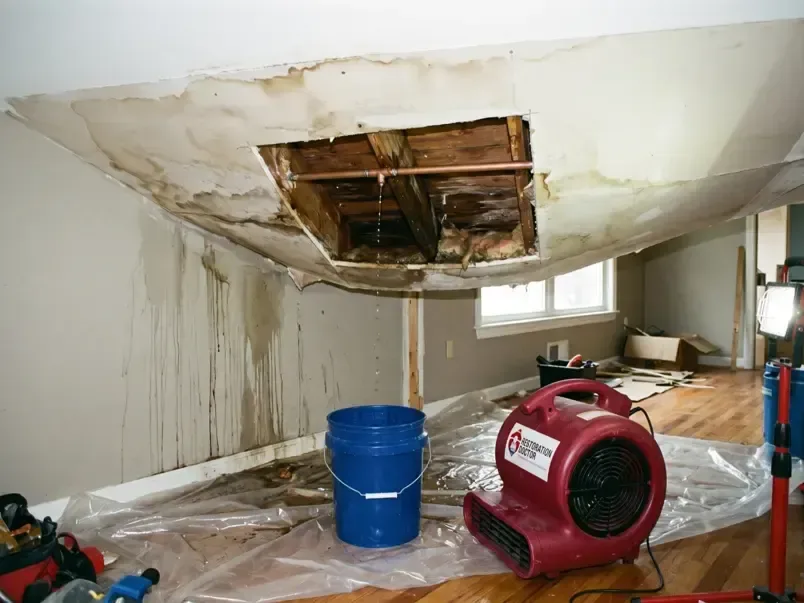
Professional attention for ceiling leak water damage
Rapid local response
The response team treats active water movement as urgent. Dispatch records the source, affected rooms and safe entry conditions so the extraction plan starts with the actual problem.
IICRC S500 drying standard
The drying team measures wet materials against a dry reference, manages evaporation with extraction and dehumidification, and adjusts equipment as readings change through the drying cycle.
Claim-ready documentation
The restoration technician records visible damage before removal, maps concealed moisture and maintains dated progress notes. That record separates emergency mitigation work from subsequent plumbing or building repairs.
Local water experts
The inspection follows the route water took through the property. Floor transitions, wall cavities and concealed layers receive attention even when the visible puddle occupies only a small area.
First steps for ceiling leak water damage
Restrict the room below
People and pets stay away from bulging or softened ceiling areas. The owner avoids placing buckets or moving furniture directly beneath an unstable panel.
Stop the likely source
The household stops using an implicated fixture when safe. A plumber or roofing professional confirms and controls the failure before the cavity receives new finishes.
Leave fixtures untouched
Wet lights, switches and ceiling fans need professional electrical assessment. The occupant does not test them to see whether they still function after the leak.
Photograph from a safe edge
The owner records the stain and any upstairs wet area without entering the hazard zone. The crew documents the cavity during controlled opening.
What does ceiling leak water damage cost in Lithia Springs, GA?
Ceiling leak water damage cleanup in Lithia Springs usually ranges from $900 to $5,500 or more. Height, wet insulation, electrical access and water migration into adjoining walls determine the mitigation scope; source repair and refinishing are separate.
Localized ceiling area
$900 to $1,800
- Initial moisture mapping
- Limited safe access
- Focused drying
Ceiling cavity and insulation
$1,800 to $3,500
- Controlled opening
- Wet insulation handling
- Framing monitoring
Ceiling and wall migration
$3,500 to $5,500+
- Multiple access areas
- Higher equipment demand
- Extended material checks
Water category, wet area, material class and the delay before drying shape the scope. The Lithia Springs water damage cost calculator provides an estimate only.
Documentation for your insurance claim
The claim file contains a moisture map, daily psychrometric logs, timestamped pre-demolition photos and a line-item scope. The restoration team records the water category and affected material class. Sudden accidental leaks, outside flooding and sewer backups can receive different treatment under a policy. The policyholder checks coverage and deductibles with the insurer before assuming any payment.
How ceiling leak water damage is handled
The restoration plan follows the source, the wet materials and the measurements taken through each stage.
Inspect overhead conditions
The technician checks sagging, fixtures and the space above the stain, identifying source-control and electrical needs before the room becomes an active work zone.
Open damaged sections
The crew protects the area below and removes unstable wet finishes, documenting the cavity and any migration along framing or into adjoining wall assemblies.
Dry accessible framing
Airflow reaches the opened cavity while dehumidifiers manage released moisture, and the drying technician adjusts placement to the ceiling height and remaining wet materials.
Confirm a sound handoff
The crew records final moisture readings and unresolved access limitations, allowing the owner to coordinate electrical clearance, inspection and finish replacement in the correct order.
More about ceiling leak water damage in Lithia Springs
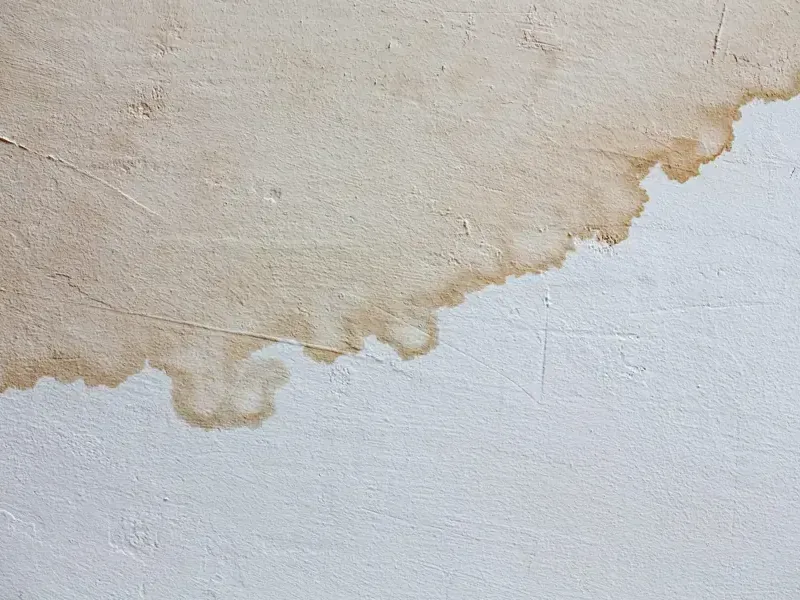
A ceiling can hold water before it starts dripping. Bulging paint, a softened panel or a growing ring signals a need to keep people away from the area below. The restoration crew checks the source and overhead condition before moving furniture or setting equipment. A small stain can sit beneath a much larger wet cavity.
Identify the room or system above the damage
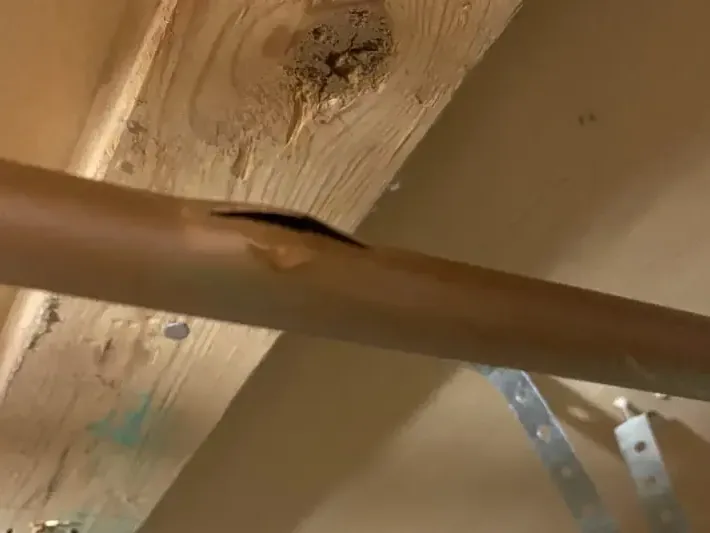
In homes and apartments near Woodrow Wilson Park, an upstairs bathroom or appliance can affect a lower occupied room. The inspection checks fixtures, supply connections and drainage above the mark. For properties in Park Forest and along Skyview Drive, the same investigation follows the actual floor plan rather than assuming a roof leak from the stain alone.
- Note whether the mark grows during fixture use or during rain.
- Check the floor above for damp edges, overflow signs and appliance leakage.
- Have a qualified professional assess wet light fixtures before anyone touches them.
A plumber addresses a supply or drain failure; a roofing professional investigates confirmed exterior entry. The restoration team records which source was found and how water reached the ceiling. The roof leak page covers rain entering through the roof assembly.
Open the ceiling under controlled conditions
Wet drywall can lose strength and release suddenly. The crew establishes a clear area below, protects adjacent finishes and opens damaged sections with suitable access. Insulation and debris receive separate handling so the removal work does not spread wet material through clean rooms. The technician photographs the cavity before disposal hides its condition.
- Inspect framing and the back of adjoining wall finishes.
- Check whether water traveled along a joist bay beyond the first opening.
- Remove unsuitable wet insulation that prevents effective cavity drying.
Ceiling texture or age alone does not identify hidden material hazards. Before disturbing suspect building materials, the contractor arranges any appropriate assessment. The owner should not puncture a sagging ceiling to release water or climb beneath it on an improvised platform.
Water still affecting the floor?
A ceiling stain can conceal wet insulation and framing. The restoration crew assesses the overhead hazard and source before deciding how to open and dry the cavity.
(888) 532-4616Discuss the overhead water damageMeasure the cavity before closing it
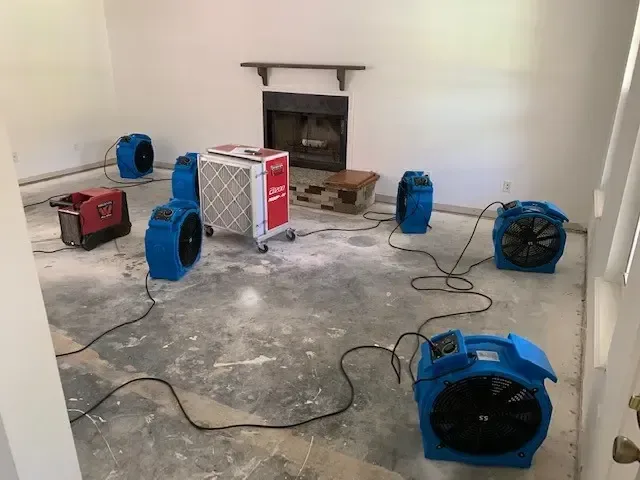
The drying technician places equipment to address the exposed framing and surrounding ceiling edges. Dehumidification controls the moisture released into room air. Readings at repeatable locations show whether the wet area is shrinking and whether the repaired source remains stable. The room can look improved while a joist or insulated corner still needs attention.
- Record the water source, opening limits and removed materials.
- Compare affected framing with a suitable dry reference.
- Keep electrical clearance and any trade inspection separate from cosmetic repair.
Once the assembly reaches its drying goal, the owner can coordinate ceiling replacement and finishing. The drying-time estimator offers a planning window, while the actual closure decision depends on measurements and material condition. Painting over the original ring cannot verify the cavity behind it.
Keep clear of a bulging ceiling
The household avoids the space below sagging drywall and keeps power away from wet fixtures. A qualified professional assesses electrical hazards. The restoration crew controls the work zone before opening overhead materials, and no occupant stands beneath the damaged panel to collect drips or move a heavy item.
Ceiling leak water damage in Lithia Springs
Service coverage includes ZIP 30122, Beechwood Hills, Chestnut Log, Heritage Square, Park Forest and homes along Mount Vernon Road. Dispatch uses the property location and access conditions to plan the response.
Water damage response is available 24/7.
Related water damage services in Lithia Springs
Ceiling Leak Water Damage questions
Talk through the wet areas
A ceiling stain can conceal wet insulation and framing. The restoration crew assesses the overhead hazard and source before deciding how to open and dry the cavity.
(888) 532-4616Discuss the overhead water damageShould a bulge be punctured to drain it?
The household should stay clear of a bulging ceiling. Puncturing it can release water and unstable material without controlling the hazard. The restoration crew assesses the panel and establishes protected access before opening the assembly.
Does a brown ring identify a roof leak?
The color does not identify the source. Plumbing, an upstairs appliance, a bathroom overflow or roof entry can produce a stain. The technician checks timing, the space above and moisture patterns before assigning the damage to a particular system.
Can wet ceiling drywall remain?
Material strength, saturation, contamination and drying access determine that decision. A sound, accessible area may dry in place, but sagging or deteriorated drywall requires removal. Wet insulation behind it can also prevent useful drying without an opening.
Why inspect the wall below the ceiling?
Water can follow framing into a wall cavity and collect near the baseboard. The upper stain may not show the full path. The crew checks adjacent assemblies so a ceiling repair does not hide continuing moisture below it.
When can the ceiling light be used again?
A qualified electrical professional determines whether a wet fixture and its wiring are safe to energize. Drying measurements address building materials, not electrical clearance. The owner should keep affected switches and fixtures unused until that assessment is complete.
What determines the drying schedule?
The wet framing, insulation, access and humidity control influence the schedule. The technician measures progress instead of promising a date from a photograph. Dense or concealed material can remain wet after the exposed ceiling edge feels dry.
Keep the ceiling open until the cavity is dry
The drying team records framing and edge readings so the next ceiling finish does not cover trapped moisture.
(888) 532-4616Arrange a ceiling-loss inspection