Union City Water Damage Restoration
A wet floor can hide a larger problem beneath cabinets or behind trim. Restoration starts by tracing that spread, removing accessible water and checking the materials left in place.
(888) 532-4616Discuss the wet roomsPhotos, moisture readings and a written scope help a household understand what needs drying before finishes cover the damage.
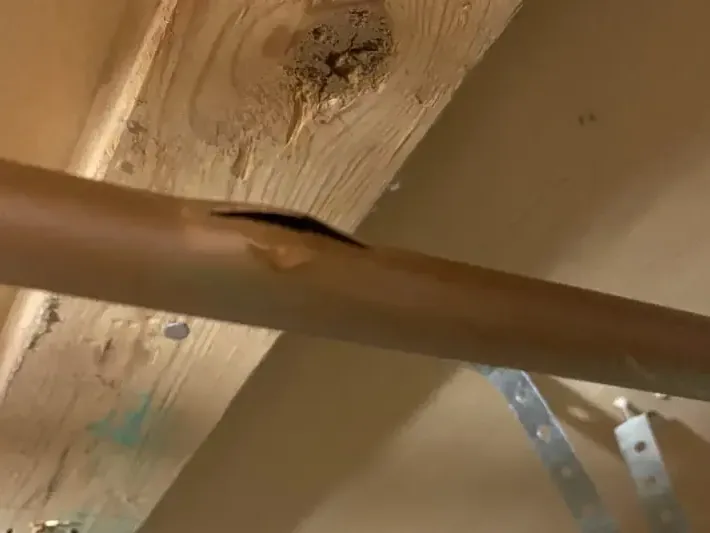
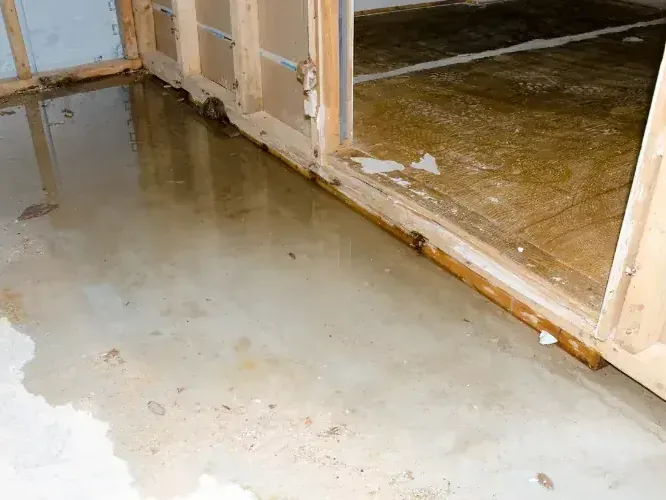
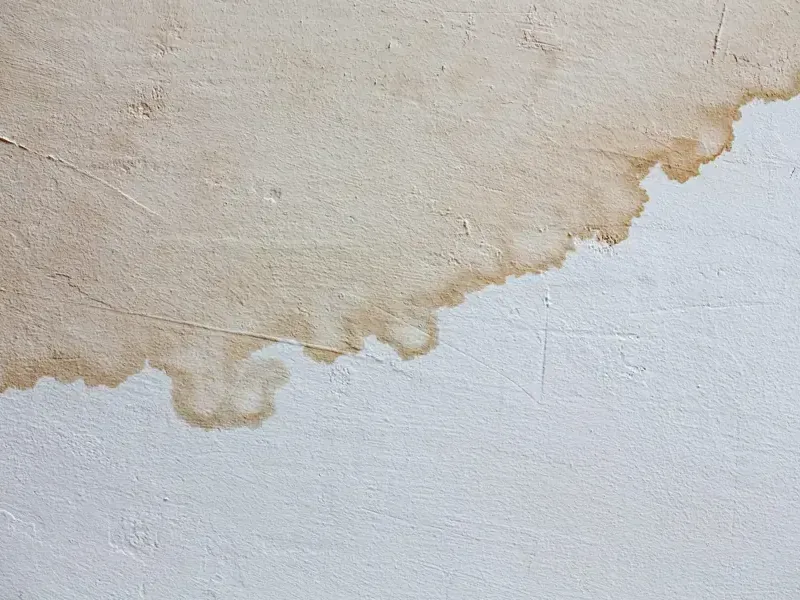
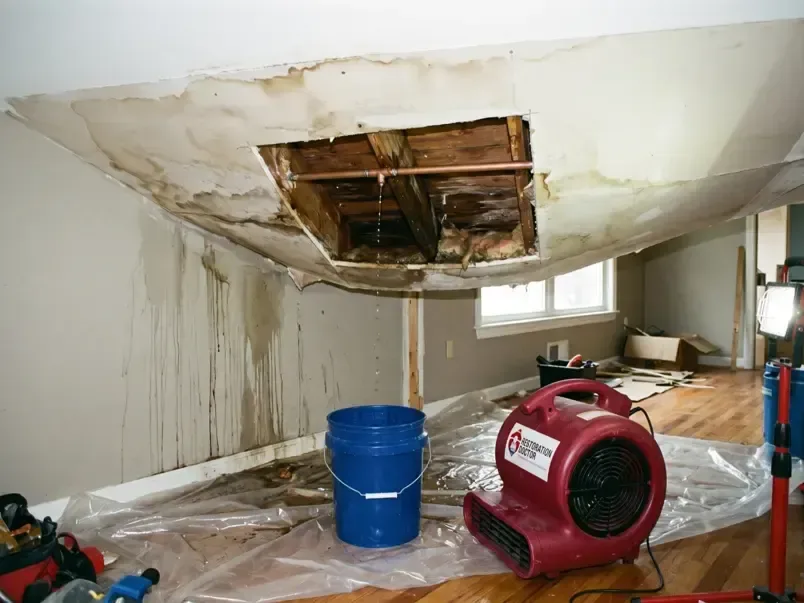
How the dry-out works
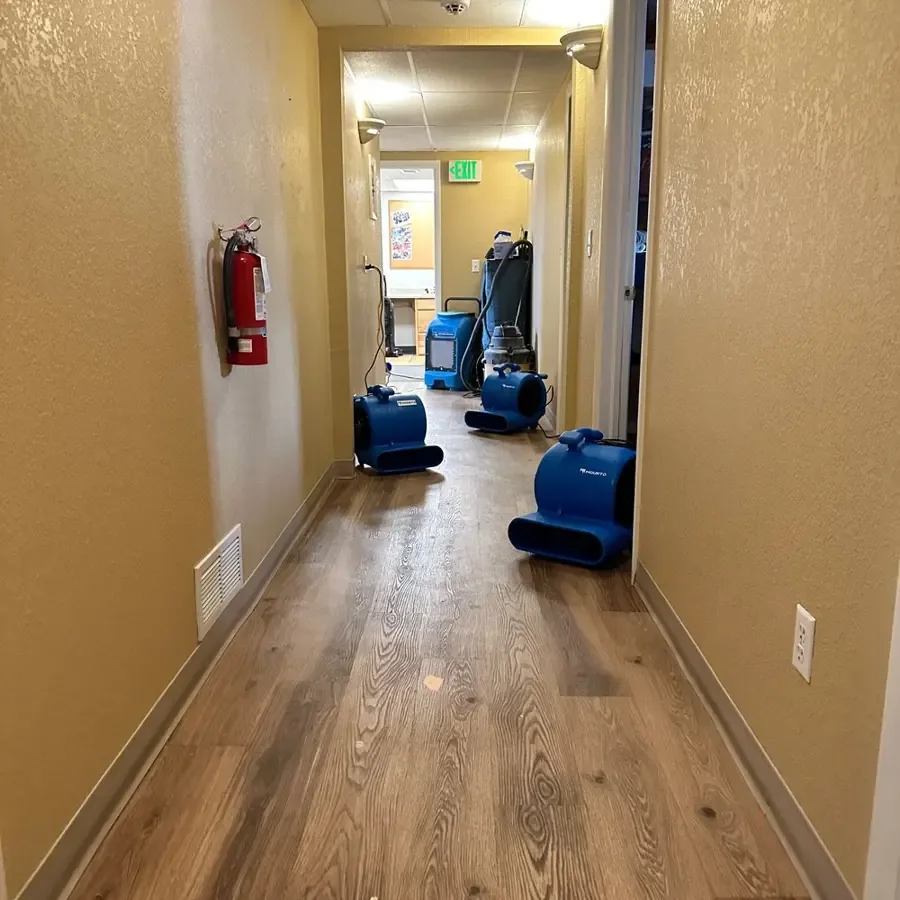
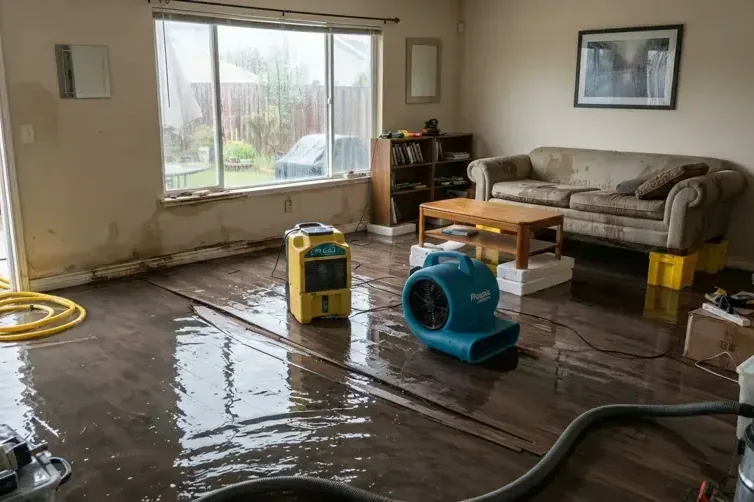
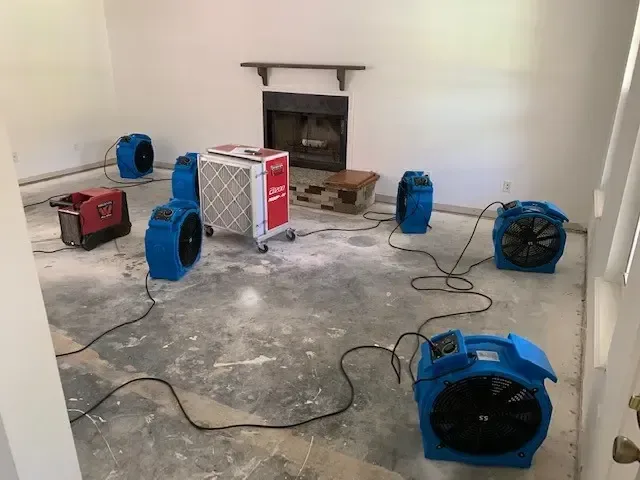
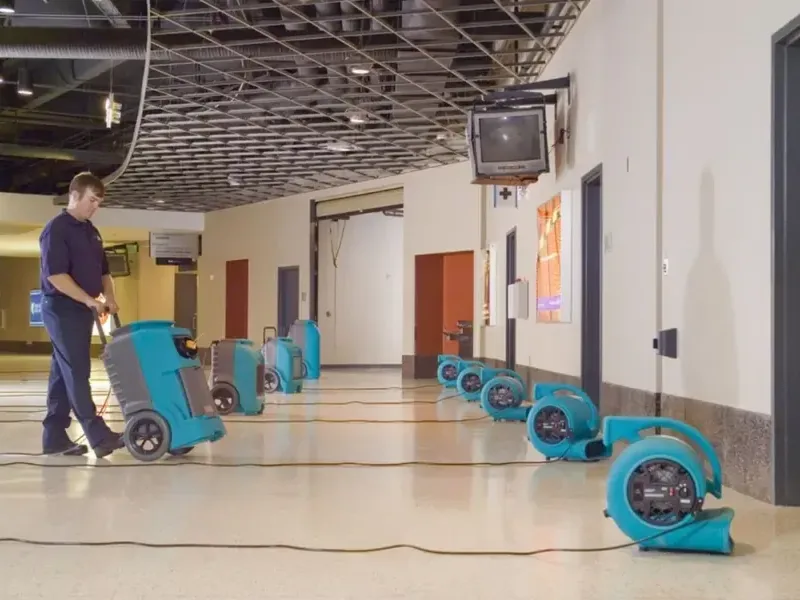
Restoration moves forward when the source is controlled and measurements show how materials respond. Equipment placement serves that plan, with changes recorded as conditions develop inside the building.
Locate the wet boundary
Inspection follows the visible loss into adjoining surfaces. A room sketch and material readings establish where extraction or more detailed access is needed.
Reduce the water load
Accessible water is removed and unsalvageable wet materials are identified. The remaining assemblies then become the focus of a practical drying layout.
Track material response
Repeated measurements show whether a wall edge, subfloor or cavity is improving. Equipment and access can change when a concealed layer remains wet.
Prepare for the next trade
The handoff describes completed cleanup, retained materials and remaining finish work. Plumbing repairs, roof work and reconstruction should have clearly assigned responsibilities.
Each visit should answer a useful question
- Source status recorded
- Wet boundaries mapped
- Remaining work identified
Union City property access
Describe the entrance and the wet area
A useful call pairs the property location with access details: a locked gate, occupied rooms or a ceiling that makes an entrance unsafe.
Townhomes at The Enclave at Whitewater Creek can be identified by community name while the affected rooms are described individually.
(888) 532-4616Discuss access for an inspectionPlaces for location context
Documented ZIP
Other town pages
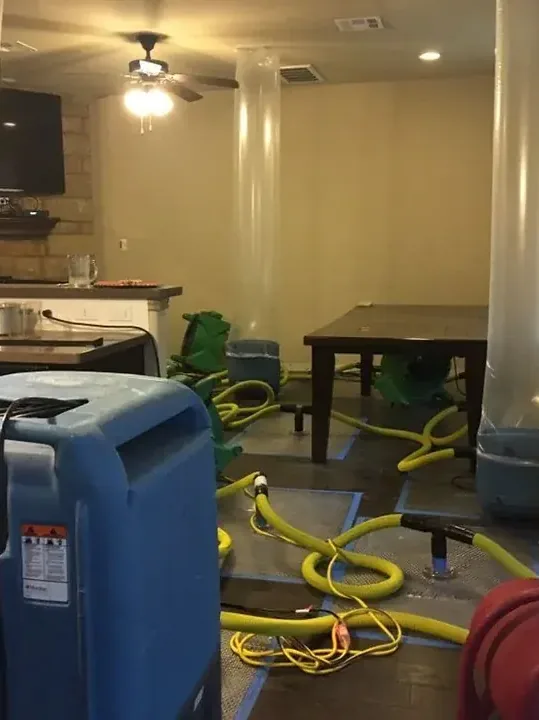
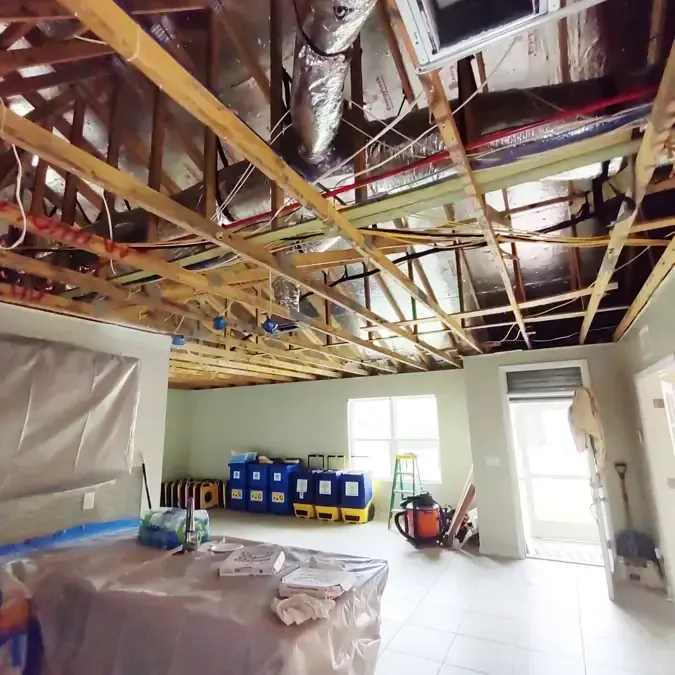
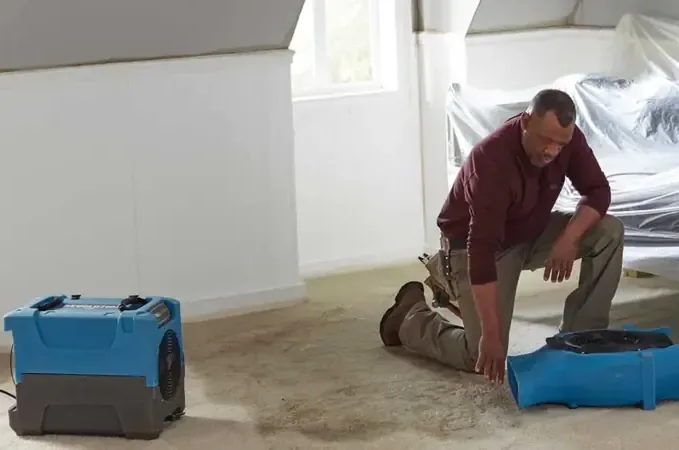
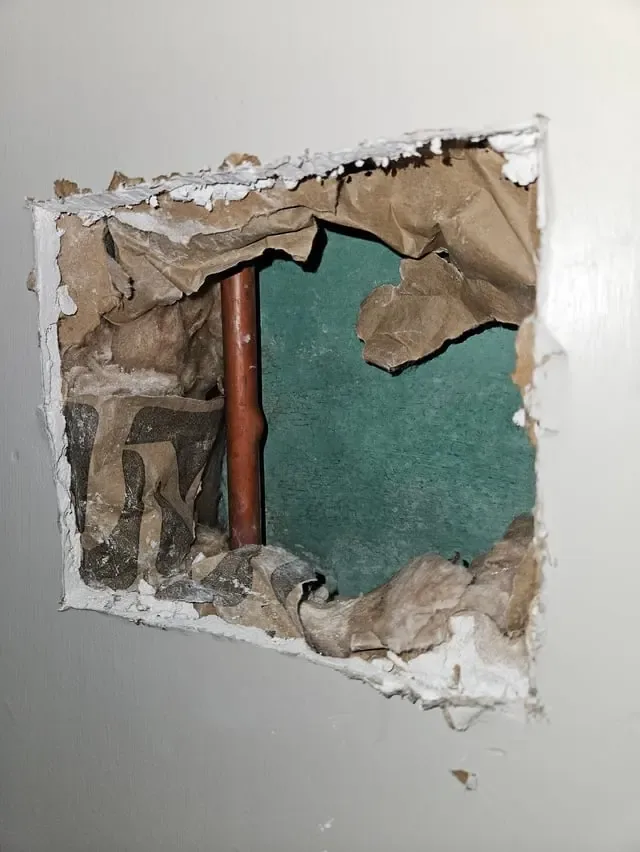
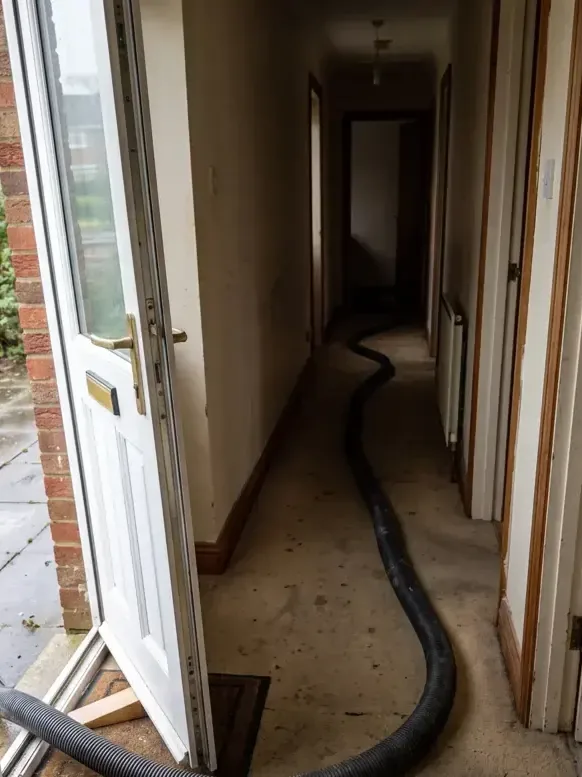
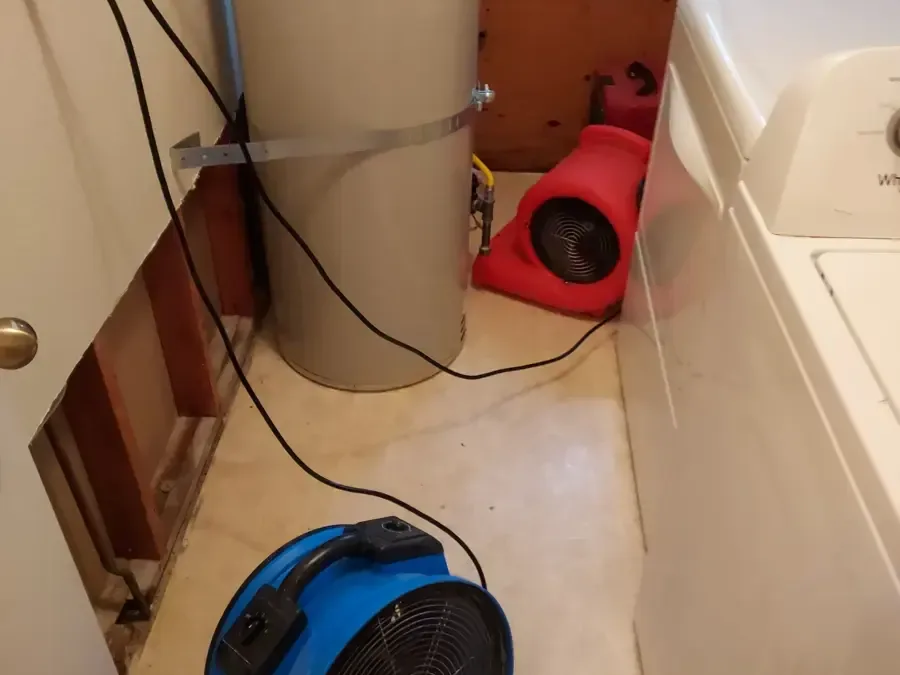
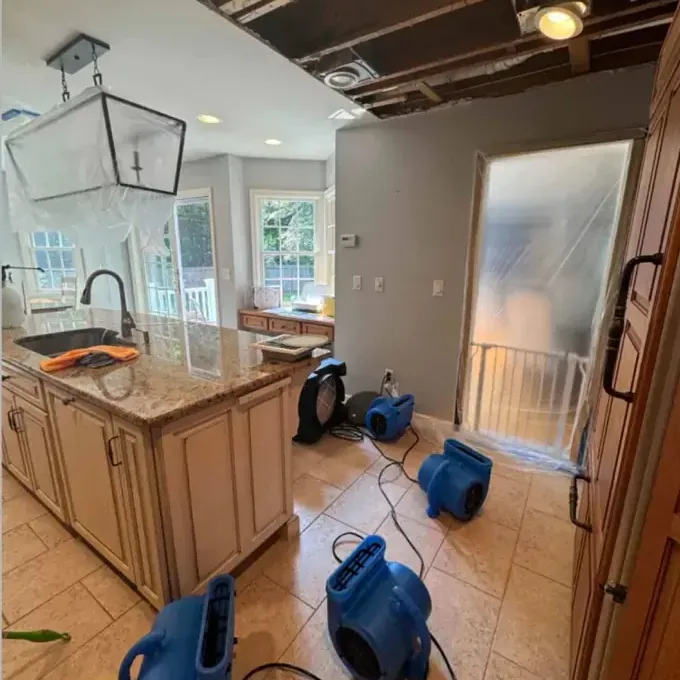
Tools and access used around wet building materials
A room record beats a guess
Useful restoration records connect each opening, equipment change and removal decision to a wet material. That makes the next repair conversation easier for a household to follow.
Traceable inspection points
Readings marked by location make later comparisons useful. A dry center of the room should not conceal a damp perimeter behind the baseboard.
Separate repair responsibilities
Plumbing or roof repairs stop the source. Interior cleanup addresses the water already inside, with those tasks described separately in the work scope.
Practical material decisions
A finish that looks intact may cover a wet layer. Access options and removal reasons should be explained before salvageable materials are disturbed.
A documented handoff
Closing records identify the materials retained, work completed and remaining reconstruction needs. The next trade can then plan around actual conditions inside the property.
What affects Union City water damage costs?
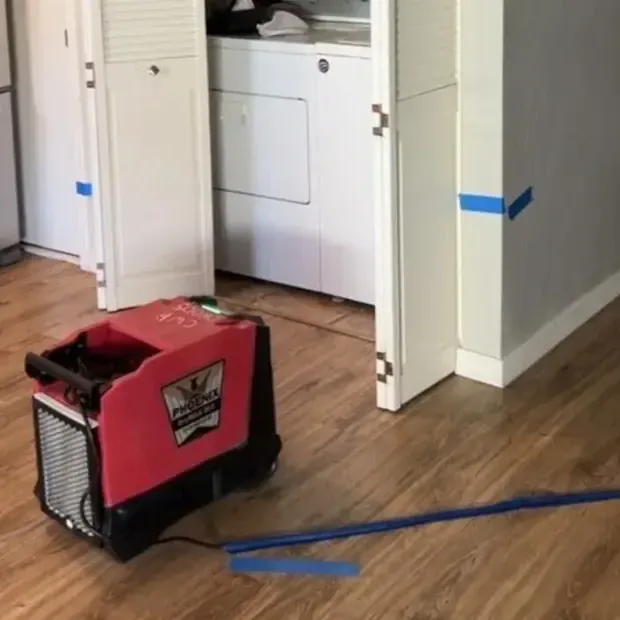
Planning ranges depend on the wet area, material layers and access required. A written inspection separates water removal and drying from source repairs or reconstruction, so each charge relates to a defined part of the loss.
Small accessible loss
$500 to $1,500
- Limited wet footprint
- Reachable floor surfaces
- Simple equipment access
Several affected materials
$1,500 to $4,000
- Connected room checks
- Selective cavity access
- Documented moisture monitoring
Extensive interior damage
$4,000 to $10,000+
- Multiple work areas
- Complex removal needs
- Broader drying setup
These figures support early planning. The property assessment sets the actual scope, with repair allowances and any excluded work stated before authorization.
Make the loss easy to follow
A clear sequence helps explain what happened without relying on memory. Save discovery photos, source repair details and restoration records together for the household and any claim assessment.
- Photographs showing the initial affected rooms
- Discovery notes with the water source
- Item list for damaged household belongings
- Written scope and approved work changes
- Invoices and final material condition records
When paying directly
A household arranging payment directly still benefits from a written scope. Ask for separate descriptions of urgent cleanup, drying work and later finish repairs before approving changes.
Compare proposed work by materials and access needs rather than equipment counts alone. Keep receipts and request an explanation whenever the planned removal area changes.
Keep the damage from becoming a household hazard
- Clear the affected room Children, pets and visitors need a dry place away from slippery floors, loose ceiling material and any water with an unknown source.
- Stop an accessible source A reachable shutoff may limit a supply leak, but crossing standing water or reaching near wet electrical equipment creates another hazard.
- Record the first signs Photograph the source area and affected finishes from a safe position. Keep the discovery time and any plumbing repair notes together.
- Protect reachable belongings Move dry items only where access is safe. Leave saturated furniture, heavy appliances and materials beneath a sagging ceiling for an assessed removal plan.
- Arrange the right assessment Describe the rooms involved, whether water is still entering and any restrictions on access so the inspection can address the immediate concerns.
Water damage interrupts daily routines
Union City's household mix makes clear communication useful during cleanup. A simple access plan keeps drying areas separate from daily movement and identifies who can authorize work at the property.
2020: The census counted 10,604 households in Union City, with 35.4% consisting of individuals. A reachable contact helps coordinate access during an unexpected water loss.
Someone living alone
A resident handling a leak alone may need help moving belongings or arranging access. Keep the inspection contact and the property decision maker clearly identified.
Children at home
Households with children need a dry route around equipment and opened surfaces. An access plan should account for sleeping areas, bathrooms and everyday movement.
Vacant property access
At an unoccupied property, arrange entry and source control before the appointment. Discovery notes help distinguish the visible water from conditions found during inspection.
Townhome room records
The Enclave at Whitewater Creek includes townhomes. For an affected residence, record each wet room and the actual path of water before planning any material removal.
Return to routine
A household can plan more confidently when the work area, equipment restrictions and remaining finish repairs are explained together. Updates should follow observed changes in materials.
Start with how the water entered
Pressurized supply release
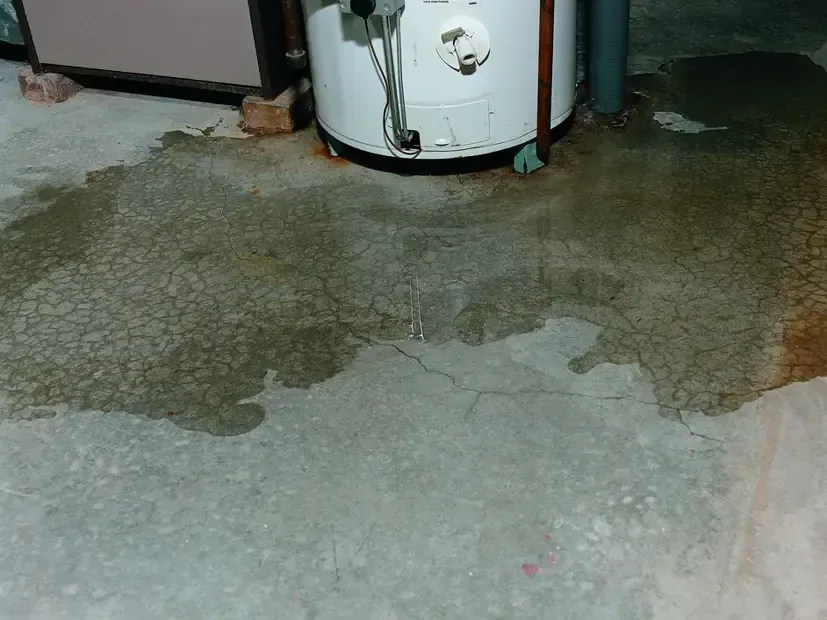
A broken supply pipe may continue feeding a wet room until isolated. Its repair and the resulting material damage need separate attention.
Follow the pipe releaseEquipment spill
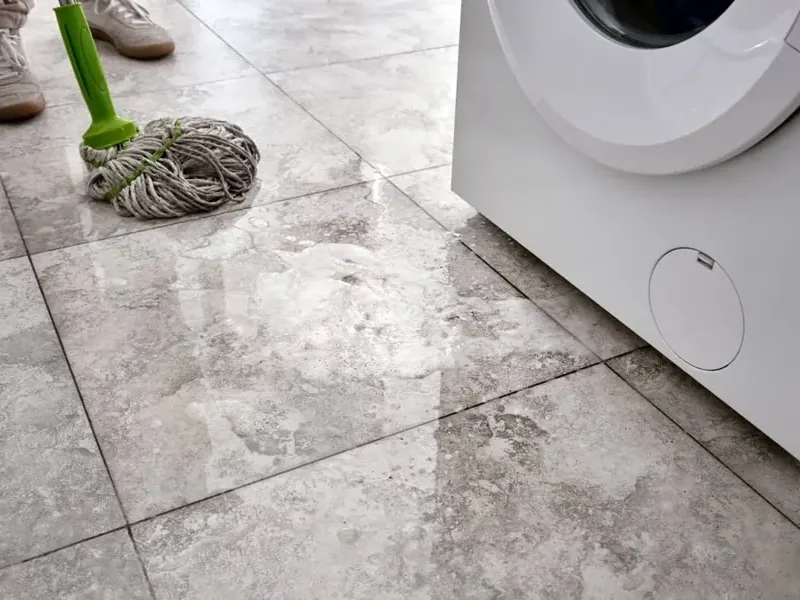
An appliance can leak during operation and leave concealed moisture after stopping. Check the machine footprint and floor layers before restarting it.
Check behind the applianceDrain contamination
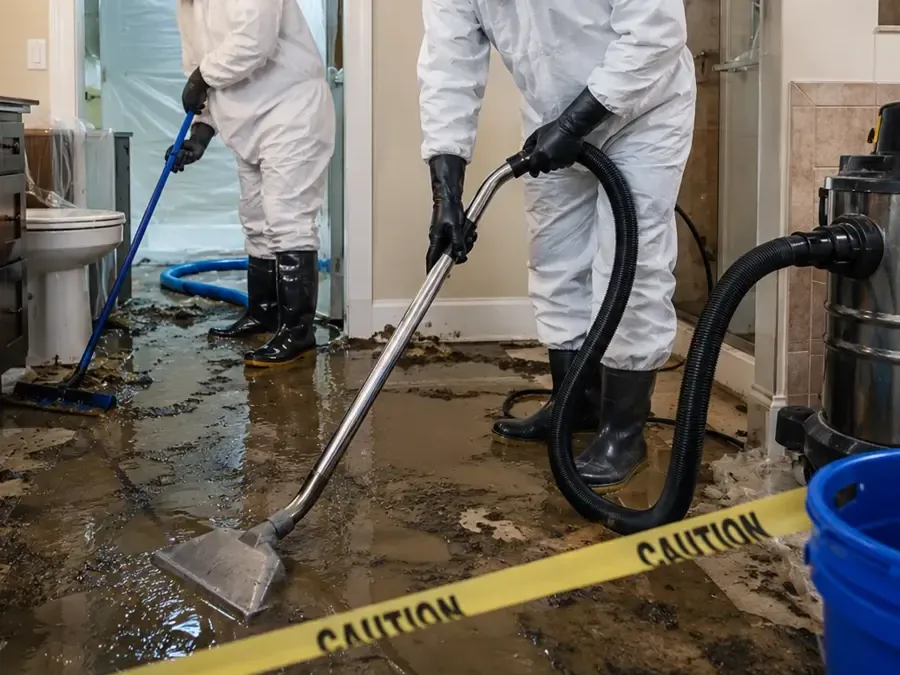
Sewage requires controlled access and decisions about absorbent contents. Routine household fans should stay off until the affected area has been assessed.
Explore contaminated room cleanupWater damage help in nearby communities
Water-loss decisions at home
Union City Townhome Appliance Water Under Cabinets
Union City appliance leaks can leave water beneath cabinets and flooring. Learn what a useful kitchen inspection records before drying and finish repairs.
Villa Rica Downtown Shop Water Loss and Stock Protection
Villa Rica shop water losses need stock records, protected access and clear repair authority. See how cleanup planning supports the next business decision.
Sweetwater Flood Entry in Lithia Springs
Lithia Springs flood cleanup starts with safe access, doorway evidence and wet material checks. See how removal, cleaning and drying fit the repair plan.
Questions after a household water loss
Unclear where the water traveled?
A description of damp surfaces, nearby fixtures and the discovery sequence helps focus an inspection on the rooms that need attention first.
(888) 532-4616Talk through the wet footprintDoes a dry floor mean cleanup is finished?
A dry walking surface can cover a wet underlayer or damp wall edge. Completion depends on checking the materials affected by the release and documenting their condition, including areas behind trim or beneath accessible cabinets when warranted.
What should a tenant record before management arrives?
Safe photographs, the time the problem appeared and the fixtures in use can help management understand the loss. The tenant should report active water and unsafe conditions promptly, while keeping access and work authorization arrangements with the responsible property contact.
Can a household keep using the affected room?
That depends on the source, electrical conditions and work required. A room with contaminated water, loose overhead material or exposed equipment needs restricted access. The inspection should identify a practical dry route and explain which areas remain unavailable.
Why inspect outside the room with the leak?
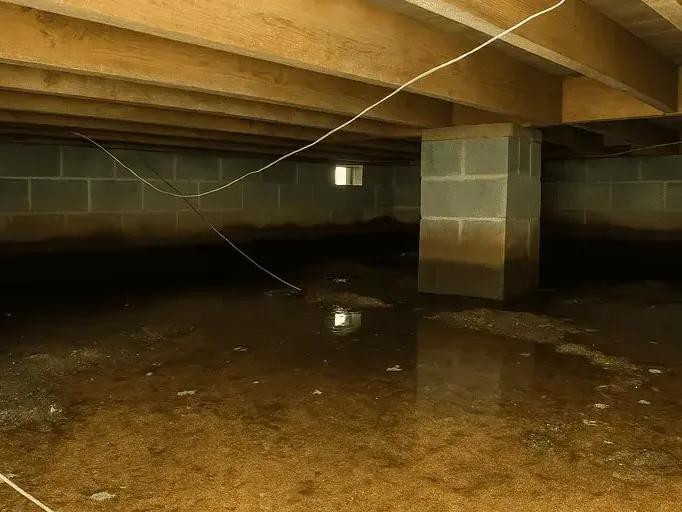
Water can cross a threshold or move behind finishes without leaving an obvious puddle. Comparing nearby materials helps establish the wet boundary. That boundary determines whether work stays in one room or needs to include connected surfaces and cavities.
Should furniture be moved before the inspection?
Light, dry belongings may be moved where the route is safe. Heavy or saturated items can damage floors or cause injury during lifting. Record their location and condition, and leave items near electrical hazards or unstable ceilings undisturbed.
Are plumbing repairs included with water removal?
Source repairs and restoration serve different purposes. A plumber addresses the failed supply or drain component; restoration treats the wet building materials. The written scope should identify included work and explain which repairs require a separate trade or approval.
Does every wet wall need replacement?
Removal depends on the water source, material condition and whether the cavity can be reached and dried. Some assemblies can remain after appropriate assessment. Others require selective removal because trapped moisture, damage or contamination prevents a suitable drying approach.
What belongs in an insurance claim file?
Keep photographs, a room inventory, source repair invoices and the restoration scope together. Updated readings and work change notes make the sequence easier to follow. Coverage decisions belong to the insurer and depend on the policy and circumstances of the loss.
When can repainting or new flooring begin?
Finishes should follow source correction and assessment of the underlying materials. The restoration handoff should describe the drying results and any areas still needing repair. Covering a wet substrate too early can hide the problem beneath a fresh appearance.
Turn a wet room into a clear work plan
Explain where water appeared, what remains damp and how the property can be accessed to begin a focused restoration conversation.
(888) 532-4616Arrange the room assessment