Structural Drying in Union City
Equipment noise cannot show whether a hidden layer is drying. The useful measure is the condition of the wall, floor or cavity at repeatable inspection points as the retained assembly responds.
(888) 532-4616Discuss the materials still damp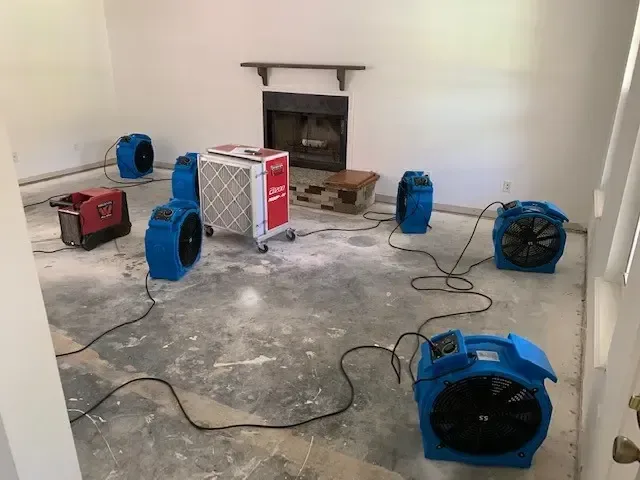
Professional attention for structural drying and dehumidification
Rapid local response
The response team treats active water movement as urgent. Dispatch records the source, affected rooms and safe entry conditions so the extraction plan starts with the actual problem.
IICRC S500 drying standard
The drying team measures wet materials against a dry reference, manages evaporation with extraction and dehumidification, and adjusts equipment as readings change through the drying cycle.
Claim-ready documentation
The restoration technician records visible damage before removal, maps concealed moisture and maintains dated progress notes. That record separates emergency mitigation work from subsequent plumbing or building repairs.
Local water experts
The inspection follows the route water took through the property. Floor transitions, wall cavities and concealed layers receive attention even when the visible puddle occupies only a small area.
First steps for structural drying and dehumidification
Confirm the source status
Keep plumbing or roof repair findings available for the inspection. Continued entry changes the drying problem, so the record needs a clear account of what has been corrected.
Describe materials that remain damp
Identify the floor, wall or ceiling areas still showing signs of moisture after visible water is gone. Include concealed edges already exposed by repair or removal work.
Keep inspection points accessible
Avoid returning furniture against marked walls or covering damp flooring before assessment. Access to the same locations helps later visits compare material response without recreating the room layout.
Plan household movement around equipment
Tell the team which rooms remain occupied and which paths must stay usable. A practical arrangement should protect access while preserving the airflow and moisture removal needed by the assembly.
What does structural drying and dehumidification cost in Union City, GA?
Union City structural drying estimates depend on retained materials, cavity access and the extent of the wet assembly. Equipment and monitoring should relate to that scope, with source repairs and finish reconstruction identified separately from moisture treatment in the written proposal.
Contained accessible assembly
$1,000 to $2,200
- Limited material footprint
- Reachable inspection points
- Focused equipment arrangement
Several rooms or cavities
$2,200 to $4,500
- Connected assembly monitoring
- Selective access planning
- Multiple drying locations
Dense or extensive wet structure
$4,500 to $7,000+
- Complex moisture retention
- Broader material assessment
- Detailed progress documentation
Water category, wet area, material class and the delay before drying shape the scope. The water damage cost calculator provides an estimate only.
Documentation for your insurance claim
The claim file contains a moisture map, daily psychrometric logs, timestamped pre-demolition photos and a line-item scope. The restoration team records the water category and affected material class. Sudden accidental leaks, outside flooding and sewer backups can receive different treatment under a policy. The policyholder checks coverage and deductibles with the insurer before assuming any payment.
How structural drying and dehumidification is handled
The restoration plan follows the source, the wet materials and the measurements taken through each stage.
Define the retained assembly
Inspection identifies wet materials, source status and the access available to each layer. The starting record gives later observations a consistent location and material reference.
Arrange equipment around the findings
Air movement and dehumidification are positioned to serve the affected assembly. Occupied routes, power conditions and inaccessible pockets are considered before the arrangement is put into operation.
Measure response and revise access
Follow up checks compare the same material locations. A slow responding area prompts assessment of the source, access and equipment arrangement, with reasons for changes documented.
Explain the reconstruction handoff
The final record describes the materials assessed and the work completed before equipment removal. Remaining openings, source issues or finish repairs are identified for the household and the next trade.
More about structural drying and dehumidification in Union City
A room can feel comfortable while a damp layer remains behind its finish. Structural drying in Union City centers on those retained materials, not simply the air around the equipment. The plan needs an identified wet boundary, suitable access and a record that makes each later observation comparable with the starting condition.
Establish the material record before equipment placement
Different materials and locations can respond differently to the same room conditions. A wall edge, exposed subfloor and concealed cavity should each have a clear identity in the drying record. Photographing or marking inspection points helps explain why one area is progressing while another still needs attention.
- Identify the material at each observation point in the affected room.
- Keep source repair status alongside the initial moisture assessment.
- Record inaccessible layers that may require a separate access decision.
The Enclave at Whitewater Creek includes townhomes, where an affected residence benefits from records organized by its actual rooms. A kitchen and an adjoining space should not be treated as identical merely because water crossed between them. Their floor coverings, access and retained materials determine how drying work is arranged.
Make airflow serve the wet assembly
Air movement supports evaporation at reachable surfaces, while dehumidification removes moisture from the air. Equipment cannot compensate for a wet layer sealed behind an inaccessible finish. Where progress stalls, the assessment should consider source status, access and material condition before simply adding more equipment to the room.
A home near Flat Shoals Road can describe occupied rooms and a preferred dry entrance when scheduling checks. Those details help position equipment and hoses around daily movement. The household should understand which doors, controls or equipment settings affect the drying area so routine activity does not undermine the agreed arrangement.
Water still affecting the floor?
Describe which materials remain damp and what repair or water removal has already occurred. The inspection can then build a drying plan around the retained assembly and its access needs.
(888) 532-4616Discuss the remaining wet layersUse changes in readings to adjust the plan
Repeated observations should answer a practical question about each retained assembly. If a surface improves while its edge stays wet, the next decision may involve access rather than more time. The written update should explain why equipment moved, why a material was opened or why an area remains under monitoring.
- Compare like locations instead of replacing the original inspection points.
- Document equipment adjustments with the material problem they address.
- Keep finish repairs separate until the retained assembly is assessed.
Ronald Bridges Park & Nature Trail can help locate a nearby property, but the final drying record belongs to its materials. The handoff should state what remained, what was removed and what condition was documented before reconstruction. For an earlier stage of the loss, water extraction addresses the accessible liquid that must be recovered before this work.
Protect the equipment arrangement and access route
Keep cords, hoses and equipment away from household traffic where possible, and leave adjustments to the drying team. Do not cover machines, move them into wet electrical areas or reconnect displaced equipment without direction. Report a tripped circuit, new water or an obstructed route so the arrangement can be reassessed.
Structural drying and dehumidification in Union City
Union City households can identify the wet rooms and any source repair already completed. Properties near Mayor's Park may use that reference for scheduling while material locations define the actual drying plan.
The same service nearby: structural drying and dehumidification in Lithia Springs, Villa Rica, Hiram.
Related water damage services in Union City
Structural Drying and Dehumidification questions
Talk through the wet areas
Describe which materials remain damp and what repair or water removal has already occurred. The inspection can then build a drying plan around the retained assembly and its access needs.
(888) 532-4616Discuss the remaining wet layersDoes a comfortable room mean the walls are dry?
Room comfort describes the air, while moisture can remain inside a wall or floor layer. Material observations at identified locations are needed to understand the assembly's condition and decide whether access, equipment or continued treatment is still required.
Why keep measuring the same locations?
Comparable locations make changes meaningful. If every visit checks a different spot, a lower reading may reflect a different material rather than progress. A consistent record helps explain how the retained assembly responds and why the work plan changes.
Can more fans solve every slow drying area?
A concealed wet layer may need access or another material decision instead of additional airflow. The assessment should examine why an area remains damp, including continued source water and barriers that prevent equipment from reaching the affected surface.
Should the household move equipment for convenience?
Equipment positions and settings serve the drying plan. If a machine blocks necessary movement or creates another problem, report it so the arrangement can be changed deliberately while maintaining safe access and treatment of the affected materials.
Is drying time fixed before the work starts?
The plan depends on the materials, access and response observed at the property. Updates should explain progress and remaining concerns rather than promise a fixed duration, with the next decision tied to actual conditions in the wet assembly.
What should a completion record describe?
It should identify the retained materials assessed, the observations used and the work completed before reconstruction. Remaining access limitations or repair needs should also be clear, so a finish trade knows what has been treated and what still needs attention.
Let the material record explain the next step
A useful drying update connects each equipment change or opening to the condition of a specific wall, floor edge or concealed cavity.
(888) 532-4616Arrange retained material drying