Structural Drying for Hiram Properties
A room can look ready for repairs while wood and concealed layers remain wet. Hiram structural drying uses material readings, purposeful access and controlled indoor conditions to track the moisture left after removal.
(888) 532-4616Discuss retained material moisture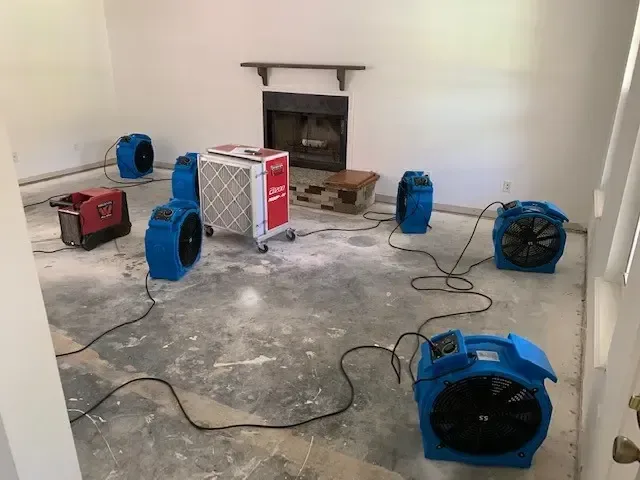
Professional attention for structural drying and dehumidification
Rapid local response
The response team treats active water movement as urgent. Dispatch records the source, affected rooms and safe entry conditions so the extraction plan starts with the actual problem.
IICRC S500 drying standard
The drying team measures wet materials against a dry reference, manages evaporation with extraction and dehumidification, and adjusts equipment as readings change through the drying cycle.
Claim-ready documentation
The restoration technician records visible damage before removal, maps concealed moisture and maintains dated progress notes. That record separates emergency mitigation work from subsequent plumbing or building repairs.
Local water experts
The inspection follows the route water took through the property. Floor transitions, wall cavities and concealed layers receive attention even when the visible puddle occupies only a small area.
First steps for structural drying and dehumidification
Describe the completed water work
Explain which source repairs, extraction and material removals have already occurred. The drying assessment needs that history to distinguish retained moisture from water that is still entering.
Identify concealed or layered areas
Mention fixed cabinets, thick floor assemblies and unopened cavities near the wet footprint. These locations can affect access and should be considered before equipment placement is finalized.
Maintain the planned room conditions
Keep equipment and room separation as arranged. If noise, power interruptions or access needs create a problem, report it so the drying plan can be adjusted deliberately.
Keep the repair schedule coordinated
Share proposed flooring or wall repair dates with the restoration professional. Reconstruction should follow the documented condition of retained materials rather than the room's appearance or an assumed duration.
What does structural drying and dehumidification cost in Hiram, GA?
Hiram structural drying scopes range from $1,000 to $7,000+. Material density, cavity access and the extent of retained wet structure affect the estimate. Monitoring, equipment and necessary access should be explained separately from replacement finishes and source repairs.
Contained accessible assembly
$1,000 to $2,200
- Limited retained structure
- Usable airflow access
- Focused moisture monitoring
Several rooms or cavities
$2,200 to $4,500
- Connected material layers
- Additional access decisions
- Broader equipment arrangement
Dense or extensive wet structure
$4,500 to $7,000+
- Complex material assembly
- More involved monitoring
- Expanded drying requirements
Water category, wet area, material class and the delay before drying shape the scope. The water damage cost calculator provides an estimate only.
Documentation for your insurance claim
The claim file contains a moisture map, daily psychrometric logs, timestamped pre-demolition photos and a line-item scope. The restoration team records the water category and affected material class. Sudden accidental leaks, outside flooding and sewer backups can receive different treatment under a policy. The policyholder checks coverage and deductibles with the insurer before assuming any payment.
How structural drying and dehumidification is handled
The restoration plan follows the source, the wet materials and the measurements taken through each stage.
Build the material moisture record
The assessment identifies affected assemblies and comparison locations. Readings are tied to material and position so later checks can show meaningful progress through the wet area.
Arrange access and equipment
Retained materials receive a plan for airflow and dehumidification. Necessary openings and occupied routes are considered before equipment placement makes the room difficult to navigate.
Track the measurement trend
Repeated checks evaluate whether the plan is working. Changes in source conditions, access or material response lead to adjustments rather than relying on appearance alone.
Explain readiness for reconstruction
The completion record describes the retained assembly and final observations. Outstanding moisture concerns or access needs are identified before replacement finishes conceal the inspected materials.
More about structural drying and dehumidification in Hiram
Removing a puddle changes the floor's appearance quickly. Drying the wood and layered materials beneath it requires a different kind of evidence. Hiram structural drying begins with the retained assembly, its wet boundaries and suitable comparison readings, then uses equipment and access decisions to move moisture out of those materials.
Identify the layers that actually became wet
Hiram Park construction spans 2006 to 2022 and includes houses and townhouses. At an individual property, the drying plan should identify the actual floor covering, underlayment, framing and wall assembly. Construction dates provide context, while direct inspection establishes the materials that need treatment and the layers that may restrict moisture movement.
Echols Farm includes single-family homes and new construction; Westwind Townhomes contains townhouses. These housing settings call for attention to the assembly at the affected property and any access responsibilities. A drying plan should not assume that adjoining rooms use identical floor layers or that every cavity can be reached from one opening.
- Establish comparison readings in suitable unaffected material where access allows.
- Record material type alongside the location of each moisture measurement.
- Identify coverings or insulation that block access to the wet structure.
Give equipment a defined purpose
Air movement helps moisture leave exposed material surfaces, while dehumidification removes moisture from the air. Equipment arrangement therefore depends on the wet area and the assembly's access. A closed cavity may require a different approach from an exposed subfloor. Adding fans without assessing those conditions can leave important layers untreated.
The plan should also account for occupied walking routes, electrical capacity and room separation. Occupants need to know which equipment should remain operating and whom to contact about interruptions. Moving a unit to reduce noise can change the intended airflow or leave part of the drying area without useful circulation.
- Match air movement to the exposed wet surface and available access.
- Reassess drying conditions when an opening reveals another saturated material layer.
- Record interruptions that might explain a change in the measurement trend.
Water still affecting the floor?
The next repair decision should follow the wet materials, not the disappearance of a puddle. Describe the affected layers and any drying work already underway at the property.
(888) 532-4616Arrange a material drying assessmentUse repeated measurements to decide the next step
A useful drying record compares the same materials and locations over time. It explains whether moisture is declining and whether the current approach remains suitable. If progress stalls, the next decision may involve source assessment, altered access or material removal. The water extraction service addresses recoverable water that still needs physical removal.
Reconstruction readiness depends on the affected assembly and the requirements of the replacement finish. A room that feels comfortable can still contain damp material beneath a covering. The handoff should connect final observations to the locations measured, with any remaining restrictions clearly explained before repair work closes the assembly.
Keep the drying arrangement intact
Occupants should not reroute cords, block equipment intake or reposition units without discussing the change with the responsible professional. Wet electrical areas need qualified assessment before equipment is operated. A clear walking route and controlled access help keep the room usable while the drying process is monitored.
Structural drying and dehumidification in Hiram
Drying assessments serve homes and occupied properties around Hiram Park Drive. Describe the original water source, completed removal work and any cavities or floor layers that remain inaccessible to the inspection.
The same service nearby: structural drying and dehumidification in Lithia Springs, Acworth, Villa Rica.
Related water damage services in Hiram
Structural Drying and Dehumidification questions
Talk through the wet areas
The next repair decision should follow the wet materials, not the disappearance of a puddle. Describe the affected layers and any drying work already underway at the property.
(888) 532-4616Arrange a material drying assessmentWhy dry a room after all water is extracted?
Extraction removes accessible water, while wood, wall layers and floor assemblies can still hold absorbed moisture. Structural drying addresses those retained materials. Readings establish the wet area and help evaluate when it is ready for the next repair step.
Can a dry surface hide moisture underneath?
Yes. A floor covering or wall finish may dry differently from the material behind it. Inspection and suitable measurements should evaluate the assembly's accessible layers, especially where coverings restrict airflow or prevent direct observation of the wet structure.
Does more equipment always improve drying?
Equipment needs a defined purpose and suitable placement. Air movement, dehumidification and access must work together for the affected materials. Adding units cannot substitute for identifying trapped moisture, continued leakage or layers that require a different treatment approach.
What do repeated moisture readings show?
Readings at comparable locations show how retained materials are responding. They help identify progress and areas that need another look. The record should connect each measurement to its material and position rather than treating every room as identical.
Can occupants switch equipment off at night?
Operating changes should be discussed with the responsible restoration professional. Interruptions can alter drying conditions and affect progress. If noise or access creates a problem, the plan can be reviewed instead of silently changing equipment operation or placement.
What determines when new flooring can go down?
The retained assembly needs assessment against the conditions required for the replacement floor. A comfortable room or clear surface alone is insufficient. The drying handoff should document material conditions and identify any unresolved issue before installation begins.
Know what remains wet before rebuilding
A location based moisture record makes equipment decisions and reconstruction timing easier to explain across the affected rooms and concealed assemblies.
(888) 532-4616Discuss the drying measurements