Water Extraction in Hiram, GA
A puddle spreading through a doorway can wet much more than the visible floor. Hiram water extraction starts with the source, electrical conditions and the route water followed indoors.
(888) 532-4616Discuss the standing water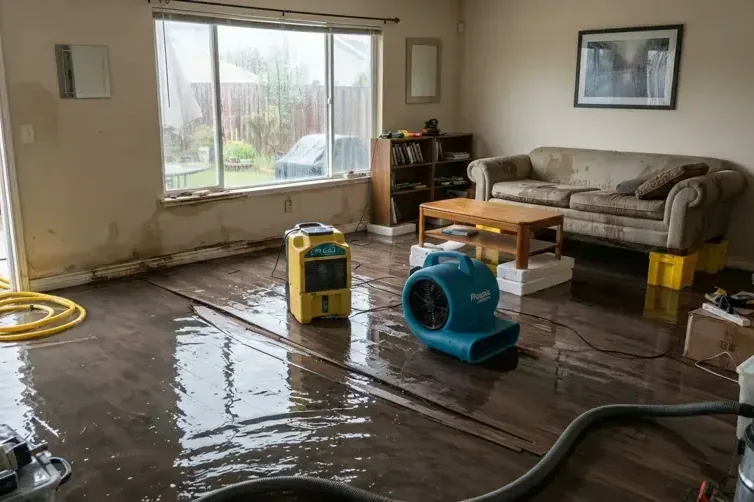
Professional attention for water extraction and removal
Rapid local response
The response team treats active water movement as urgent. Dispatch records the source, affected rooms and safe entry conditions so the extraction plan starts with the actual problem.
IICRC S500 drying standard
The drying team measures wet materials against a dry reference, manages evaporation with extraction and dehumidification, and adjusts equipment as readings change through the drying cycle.
Claim-ready documentation
The restoration technician records visible damage before removal, maps concealed moisture and maintains dated progress notes. That record separates emergency mitigation work from subsequent plumbing or building repairs.
Local water experts
The inspection follows the route water took through the property. Floor transitions, wall cavities and concealed layers receive attention even when the visible puddle occupies only a small area.
First steps for water extraction and removal
Limit further spread
A safely reachable supply valve can stop a plumbing spill. If reaching it involves crossing water or approaching electrical equipment, leave that action to qualified help.
Leave a dry entrance
Keep an unaffected entrance available and remove small dry obstacles from that route. Avoid moving wet rugs through occupied areas or across clean floor finishes.
Photograph the footprint
Capture the room, doorway edges and visible depth from a safe position. Save the original images so the first conditions remain available after pumping begins.
Describe absorbent materials
Mention carpet, padding, wood floors and stored contents during the initial discussion. Those details help distinguish surface extraction from materials that may need removal or drying.
What does water extraction and removal cost in Hiram, GA?
Water extraction in Hiram ranges from $500 to $3,500+ across the listed scopes. Depth, room connections, access and absorbent materials affect the estimate, while repairs and extended drying should be described separately in writing.
Accessible puddling
$500 to $1,200
- Open floor access
- Limited water depth
- Simple hose route
Connected rooms
$1,200 to $2,500
- Several floor transitions
- Absorbent surface checks
- Broader extraction area
Deep or complex water
$2,500 to $3,500+
- Restricted equipment access
- Debris handling needs
- More involved removal
Water category, wet area, material class and the delay before drying shape the scope. The water damage cost calculator provides an estimate only.
Documentation for your insurance claim
The claim file contains a moisture map, daily psychrometric logs, timestamped pre-demolition photos and a line-item scope. The restoration team records the water category and affected material class. Sudden accidental leaks, outside flooding and sewer backups can receive different treatment under a policy. The policyholder checks coverage and deductibles with the insurer before assuming any payment.
How water extraction and removal is handled
The restoration plan follows the source, the wet materials and the measurements taken through each stage.
Survey the footprint
The assessment records water movement, surface types and electrical restrictions. Moisture checks extend past the obvious pool to find affected adjoining materials.
Extract accessible water
Equipment removes standing water and recoverable moisture from suitable coverings. The approach changes when contamination or damaged floor layers require different handling.
Inspect concealed edges
Accessible thresholds, wall bases and contents locations receive a second examination. Areas still holding water are identified before the extraction equipment leaves.
Set drying priorities
Remaining moisture receives a documented drying scope. The plan identifies equipment placement, materials requiring access and the readings needed to evaluate progress afterward.
More about water extraction and removal in Hiram
Wet socks at a doorway often reveal a larger problem beneath a rug or along the wall. In Hiram, extraction work follows that spread instead of stopping at the obvious puddle. The first inspection separates water that equipment can remove directly from moisture held in padding, wood, wall edges and concealed floor assemblies.
Follow the water through adjoining rooms
Westwind Townhomes includes attached housing. A wet room there needs attention at thresholds and adjoining assemblies, with access arranged for any area requiring inspection. Water beneath a shared doorway can remain out of sight even when the exposed finish looks clear. Ownership and access decisions belong in the work discussion before openings are proposed.
- Lift movable rugs when handling them will not spread contaminated water.
- Inspect the dry side of transitions where a wet floor continues.
- Record swelling or lifted edges before changing the affected floor covering.
At a single-family property in Ballentine Pointe, the useful inspection route may run from a utility space into a hallway. That route depends on the actual spill. A room sketch and separate moisture readings show whether the extraction area should include closets or floor layers beyond the original source.
Choose removal equipment for the actual surface
A hose can remove a pool while leaving substantial water in absorbent materials. Technicians evaluate the depth, debris, source and surface before selecting extraction tools. Carpet, resilient flooring and exposed subfloor need different handling. Water drawn out of a covering must be considered alongside the condition of whatever supports it underneath.
In Asbury Woods, where the housing includes single-family homes, the floor layout determines equipment access. Heavy furniture may obstruct an edge, while a narrow closet limits the extraction head that can reach the wet area. Moving contents should preserve a clear walking route and avoid carrying damp items into otherwise dry rooms.
- Separate contents handling from the path used by extraction hoses.
- Inspect padding and seams before deciding what can remain in place.
- Adjust removal methods when debris or contamination changes the cleanup scope.
Water still affecting the floor?
A spreading puddle needs a room by room removal plan. Describe its source, the floor covering and the safest available entrance when arranging extraction.
(888) 532-4616Arrange a floor water assessmentFinish removal with a moisture map
The end of visible pooling is a transition, not the end of restoration. Readings taken along walls and beneath accessible finishes identify the remaining wet structure. The structural drying service explains how air movement and dehumidification address that moisture after extraction. A record of the affected materials also supports a useful repair estimate.
Separate the equipment work from plumbing repair in the written scope. If the source is still active, repeated extraction can hide ongoing leakage. The homeowner should receive a clear explanation of any inaccessible area, damaged covering or additional opening needed before drying can proceed effectively.
Keep electricity outside the wet route
Standing water near outlets, cords or powered equipment makes the area unsafe to enter. Occupants should remain on dry ground and arrange qualified electrical assistance. A household vacuum must never be used to collect water. Access for removal equipment begins only after the electrical conditions have been addressed.
Water extraction and removal in Hiram
Extraction requests cover Hiram and properties around Bill Carruth Parkway, including Westwind Townhomes. Access instructions should describe the wet room, available entrance and any electrical concerns before equipment arrives.
The same service nearby: water extraction and removal in Lithia Springs, Acworth, Villa Rica.
Related water damage services in Hiram
Water Extraction and Removal questions
Talk through the wet areas
A spreading puddle needs a room by room removal plan. Describe its source, the floor covering and the safest available entrance when arranging extraction.
(888) 532-4616Arrange a floor water assessmentDoes a clear floor mean removal is finished?
No. Padding, seams and wall bases may hold water after the open surface clears. Moisture readings and inspection beneath accessible edges determine whether extraction should continue or the work should move into drying.
Can extraction save every wet carpet?
Carpet decisions depend on water contamination, backing condition and the layers beneath it. Some coverings can be extracted and dried; others require removal. The assessment should explain the reason before a disposal decision is made.
Should furniture stay in the flooded room?
Small items may be moved if a clean, dry route exists. Heavy or unstable furniture should remain undisturbed until handling is planned. Wet contents need separation so their moisture does not spread into unaffected areas.
What if water returns after pumping?
Returning water calls for another source check. A continuing supply leak, appliance discharge or outside entry can refill the area. Source control and extraction must be coordinated so removal does not merely repeat the same work.
Are attached rooms inspected in a townhouse?
Inspection follows the wet assembly and the available access. At Westwind Townhomes, adjoining floor and wall edges deserve attention where water has migrated. Additional property access should be arranged through the responsible owner or manager.
What belongs in the extraction estimate?
The scope should identify affected spaces, removal methods, material handling and the handoff to drying. Plumbing repairs, damaged finish replacement and further concealed access should be distinguished so the homeowner can understand what the estimate covers.
Move from pooling to a drying plan
Removal decisions become clearer once the wet footprint and affected layers have been inspected together at the property.
(888) 532-4616Discuss extraction access