Water Extraction and Removal in Acworth
Water pooling across a room needs a controlled exit before drying can begin. Extraction planning considers the source, floor layers and safe equipment access through the affected property.
(888) 532-4616Discuss pooled water indoors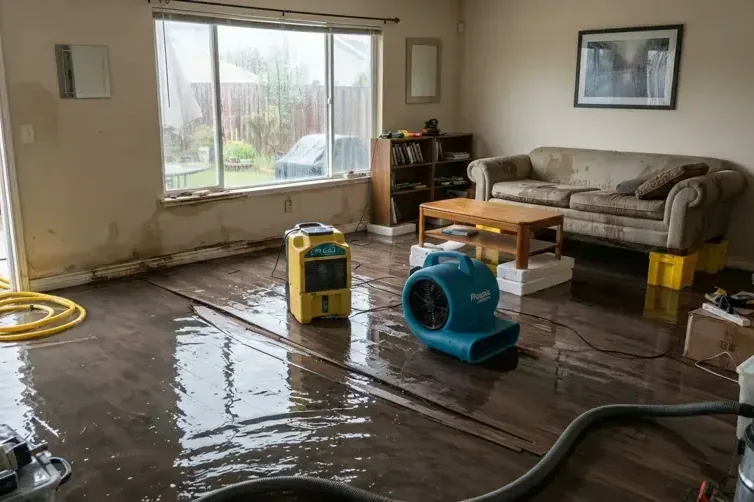
Professional attention for water extraction and removal
Rapid local response
The response team treats active water movement as urgent. Dispatch records the source, affected rooms and safe entry conditions so the extraction plan starts with the actual problem.
IICRC S500 drying standard
The drying team measures wet materials against a dry reference, manages evaporation with extraction and dehumidification, and adjusts equipment as readings change through the drying cycle.
Claim-ready documentation
The restoration technician records visible damage before removal, maps concealed moisture and maintains dated progress notes. That record separates emergency mitigation work from subsequent plumbing or building repairs.
Local water experts
The inspection follows the route water took through the property. Floor transitions, wall cavities and concealed layers receive attention even when the visible puddle occupies only a small area.
First steps for water extraction and removal
Observe from dry ground
Note whether the puddle is expanding and which doorway remains dry. Avoid entering the water to retrieve items or inspect an outlet at floor level.
Stop reachable clean water
Close an accessible supply valve if the route is safe. A failed or inaccessible valve needs qualified attention before the release can be controlled.
Protect the exit route
Keep dry hallways clear so removal equipment can reach the affected rooms. Do not drag wet rugs or furnishings through unaffected areas of the building.
Record the first footprint
Take photographs before moving reachable belongings. Show room transitions and the apparent source so the assessment retains context after water has been removed.
What does water extraction and removal cost in Acworth, GA?
Acworth extraction costs reflect water volume, reachable floor area and the materials holding moisture. A written estimate should distinguish liquid removal from additional drying, contaminated material handling and repairs to the component that released the water.
Accessible puddling
$500 to $1,200
- Open floor access
- Limited liquid footprint
- Straightforward hose route
Connected rooms
$1,200 to $2,500
- Several floor transitions
- More saturated surfaces
- Expanded moisture mapping
Deep or complex water
$2,500 to $3,500+
- Difficult removal access
- Deeper retained water
- Additional handling needs
Water category, wet area, material class and the delay before drying shape the scope. The water damage cost calculator provides an estimate only.
Documentation for your insurance claim
The claim file contains a moisture map, daily psychrometric logs, timestamped pre-demolition photos and a line-item scope. The restoration team records the water category and affected material class. Sudden accidental leaks, outside flooding and sewer backups can receive different treatment under a policy. The policyholder checks coverage and deductibles with the insurer before assuming any payment.
How water extraction and removal is handled
The restoration plan follows the source, the wet materials and the measurements taken through each stage.
Survey the spill boundary
The assessment records the source, safety constraints and affected materials, including transitions where liquid may have traveled beyond the room with the largest puddle.
Extract reachable liquid
Removal equipment addresses open water and suitable saturated surfaces. The method changes with the material and the contamination concerns identified during the initial inspection.
Recheck concealed edges
After standing water clears, moisture measurements examine floor perimeters and adjoining assemblies. These readings establish what remains wet beneath the newly exposed surface.
Set the drying scope
The handoff identifies equipment needs, inaccessible pockets and source repairs still required. Documented conditions become the starting point for monitoring the subsequent drying work.
More about water extraction and removal in Acworth
The useful question after an indoor spill is where the water went. A puddle can stop short of a doorway while moisture continues through flooring joints or beneath trim. Acworth extraction work should begin with a sketch of the affected rooms and a check for continuing flow, followed by an equipment route that avoids carrying water into dry spaces.
Separate the outdoor setting from the indoor source
Lake Acworth and Cauble Park Beach are familiar reference points when describing a property location. Within the building, inspection follows the release itself: a supply connection, overflowing fixture or water entering through an opening. That source determines handling precautions and helps distinguish recoverable floor materials from surfaces requiring more extensive cleaning or removal.
- Mark the farthest visible water edge before the surface changes during extraction.
- Check thresholds where water can slip beneath a different floor covering.
- Identify dry access routes for hoses, equipment and protected belongings.
A house near Logan Farm may need extraction from a single room or from connected areas. The setup should follow the measured footprint. Furniture placement, floor transitions and accessible outlets affect how the work proceeds, so an initial walkthrough should include the route between the entry and the wettest part of the building.
Remove liquid without overlooking what holds it
Open puddles, carpet backing and gaps around floor edges release water differently. Surface passes may need to be followed by focused extraction at material transitions. If a covering prevents access to water underneath, the assessor should explain the proposed opening and document the affected layer before removal. An apparently clean surface is only one part of this decision.
- Inspect carpet edges before deciding whether backing can remain in place.
- Check cabinet bases when liquid has crossed a kitchen floor.
- Look beneath accessible contents that may hold water against finished surfaces.
Water depth can also change between rooms. A low spot may retain liquid after surrounding areas appear clear. The removal plan should identify these pockets and leave the next stage with a usable map of wet materials. Structural drying then addresses retained moisture that extraction cannot pull from the assembly.
Water still affecting the floor?
An expanding puddle deserves a source check and a clear removal plan. Describe the rooms involved, the floor coverings and any continuing flow when requesting an assessment.
(888) 532-4616Discuss the extraction footprintKnow what successful removal leaves behind
Extraction ends with more than an empty floor. The record should describe the water source, accessible liquid removed, materials opened and readings that establish the remaining drying task. Photographs of edges and thresholds help explain why work may extend beyond the original puddle. Repairing the source also prevents fresh water from undoing the removal effort.
- Compare adjoining rooms instead of stopping at the most obvious spill.
- Record wet areas under movable contents before those items are relocated.
- Keep the drying scope separate from repair of the failed component.
Water and electrical equipment need separation
Do not use a household vacuum in standing water or run extension cords through wet rooms. Submerged outlets, uncertain power isolation and contaminated water require professional assessment. Keep occupants on dry ground while the safe removal method and power supply are established.
Water extraction and removal in Acworth
Property assessments cover the city and its overlapping ZIP areas. Describe the actual building location and available entry, particularly when a mailing label differs from the city boundary.
The same service nearby: water extraction and removal in Lithia Springs, Hiram, Villa Rica.
Related water damage services in Acworth
Water Extraction and Removal questions
Talk through the wet areas
An expanding puddle deserves a source check and a clear removal plan. Describe the rooms involved, the floor coverings and any continuing flow when requesting an assessment.
(888) 532-4616Discuss the extraction footprintCan a mop handle the remaining water?
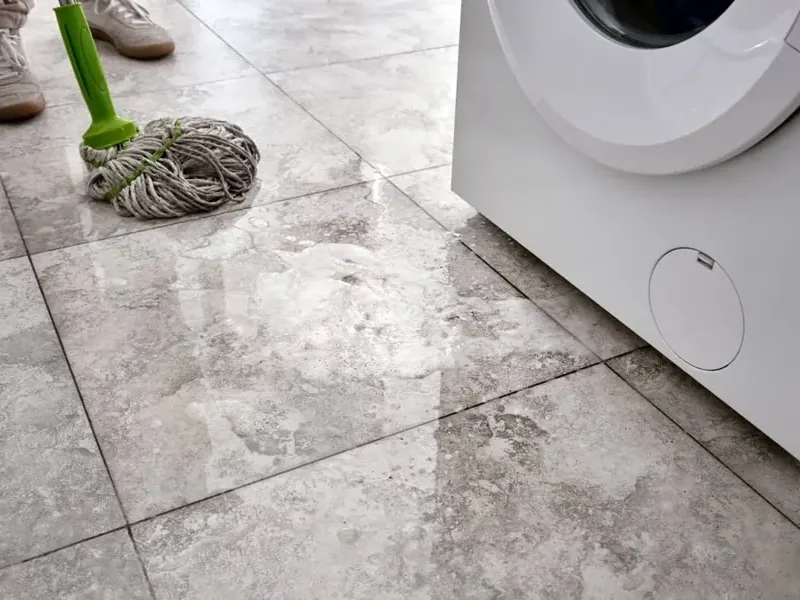
A mop can collect a small accessible surface spill, but it cannot assess moisture underneath coverings or inside wall edges. When water has crossed materials or remained in place, inspection should establish the hidden footprint before cleanup is considered complete.
Does extraction dry the room completely?
Extraction removes liquid that equipment can reach. Porous materials and enclosed layers can still retain moisture afterward. Those areas need measurement and a drying plan, with access adjusted when the readings show that water remains trapped.
Should a saturated rug stay on the floor?
A wet rug can hold moisture against the surface beneath it. Safe handling depends on its weight, contamination and the floor condition. Avoid dragging it through dry rooms; document the location and have the removal approach assessed.
What if water returns after removal?
Returning water points to an unresolved source or another entry route. Record where it first reappears and suspend cosmetic repairs. Source tracing should happen before repeated extraction becomes the only response to an ongoing release.
Are photographs useful once the puddle disappears?
Yes. Images taken before removal preserve the visible extent and affected contents. Later photographs can show opened layers and equipment placement. Together with moisture readings, they explain why drying may continue after the floor looks clear.
Can furniture remain in an affected room?
Some furniture can be protected or moved within a safe work plan. Heavy, soaked or contaminated items require different handling. The assessment should consider access underneath each item and whether its position obstructs removal or drying.
Clear the liquid, then check the layers
Removal is the first stage; the remaining moisture record determines which materials need drying before the property can be repaired.
(888) 532-4616Arrange indoor water removal