Water Extraction in Villa Rica
A puddle spreading through a doorway needs more than surface wiping. Extraction removes accessible water while the assessment follows its path into adjoining flooring, wall edges and concealed layers.
(888) 532-4616Discuss the standing water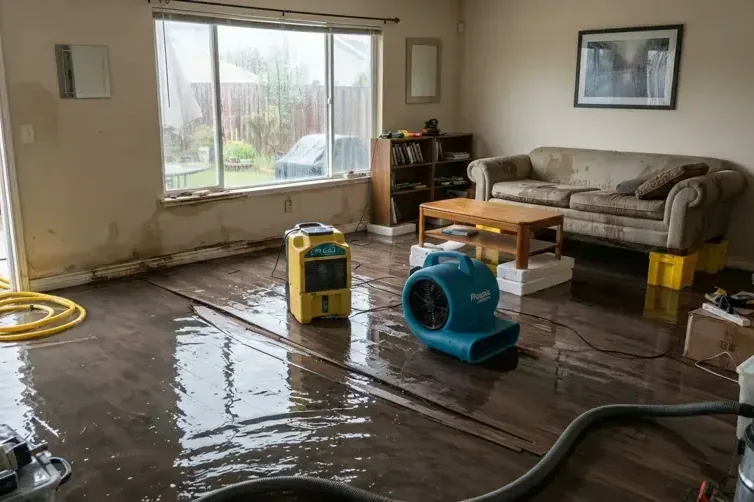
Professional attention for water extraction and removal
Rapid local response
The response team treats active water movement as urgent. Dispatch records the source, affected rooms and safe entry conditions so the extraction plan starts with the actual problem.
IICRC S500 drying standard
The drying team measures wet materials against a dry reference, manages evaporation with extraction and dehumidification, and adjusts equipment as readings change through the drying cycle.
Claim-ready documentation
The restoration technician records visible damage before removal, maps concealed moisture and maintains dated progress notes. That record separates emergency mitigation work from subsequent plumbing or building repairs.
Local water experts
The inspection follows the route water took through the property. Floor transitions, wall cavities and concealed layers receive attention even when the visible puddle occupies only a small area.
First steps for water extraction and removal
Keep a dry approach
Choose a route that avoids the water and any sagging surfaces. If no safe approach exists, describe the conditions without entering the affected room.
Limit continued release
Use an accessible shutoff only when it can be reached safely. Identify whether the puddle continues growing after the apparent source has been stopped.
Show the wet boundary
Photograph the floor and adjoining thresholds from dry ground. Include affected contents so the first record captures where liquid collected before removal starts.
Explain extraction access
Mention stairs, narrow doorways, occupied rooms and the nearest usable entrance. These details help plan equipment movement without routing hoses through avoidable obstacles.
What does water extraction and removal cost in Villa Rica, GA?
Water extraction in Villa Rica ranges with the volume present, the route for equipment and the number of connected wet spaces. The assessment should distinguish liquid removal from later material drying and repairs.
Accessible puddling
$500 to $1,200
- Reachable floor water
- Simple equipment access
- Limited wet area
Connected rooms
$1,200 to $2,500
- Multiple affected thresholds
- Additional extraction passes
- Broader moisture mapping
Deep or complex water
$2,500 to $3,500+
- More demanding removal
- Restricted interior access
- Expanded handling needs
Water category, wet area, material class and the delay before drying shape the scope. The water damage cost calculator provides an estimate only.
Documentation for your insurance claim
The claim file contains a moisture map, daily psychrometric logs, timestamped pre-demolition photos and a line-item scope. The restoration team records the water category and affected material class. Sudden accidental leaks, outside flooding and sewer backups can receive different treatment under a policy. The policyholder checks coverage and deductibles with the insurer before assuming any payment.
How water extraction and removal is handled
The restoration plan follows the source, the wet materials and the measurements taken through each stage.
Trace the release
The inspection connects the collection point to the source and records the affected surfaces. Ongoing entry and contamination concerns determine the initial handling approach.
Set removal access
Equipment paths and work areas are arranged around the room layout. Contents that obstruct extraction receive handling decisions before hoses move through the building.
Extract retained liquid
Removal targets accessible pooling and suitable absorbent surfaces. Conditions exposed during extraction can reveal additional wet layers that require separate access or material decisions.
Document what remains
The closing extraction record identifies residual moisture and the next drying tasks. Equipment for drying is selected around the materials remaining in the affected area.
More about water extraction and removal in Villa Rica
Water can collect in the lowest visible room even when the release started elsewhere. At an Ashbury property, inspection should connect that collection point to the leaking fixture, supply pipe or outside opening before removal begins. This establishes whether water is still arriving and helps keep equipment from spreading contamination through otherwise dry rooms.
Identify what the extraction equipment will encounter
The distinction between a household supply leak and outside water matters. A clear-looking puddle may have crossed dirty surfaces, soaked stored contents or remained beneath a floor covering. Assessment considers that path alongside the present condition of the room. Extraction tools and handling procedures should fit the water being removed.
- Check the approach to each room for electrical hazards and unstable surfaces.
- Identify carpets, hard flooring and furniture bases that have held standing water.
- Record the boundary of visible water before hoses and equipment obscure it.
A Brookside homeowner may first notice water at a threshold while the adjoining room appears dry. Edges beneath a doorway trim or cabinet can still be wet. Following these connections prevents the job from ending at the obvious puddle and leaving a concealed reservoir under the next section of flooring.
Remove liquid without overlooking floor assemblies
Extraction may involve suction tools for shallow water, pumps for deeper accumulation and repeated passes over suitable carpet. Equipment selection depends on access and the surfaces present. The floor covering is only part of the assembly: backing, underlayment and the supporting floor can each retain water after the visible liquid is gone.
- Move accessible contents only when their handling will not spread wet debris.
- Evaluate absorbent layers separately from the condition of their finished surfaces.
- Direct discharge and equipment routes away from unaffected rooms and occupied areas.
In downtown Villa Rica, shops and restaurants occupy historic buildings. Extraction inside those premises needs an equipment route that accounts for existing finishes and business contents. The location establishes the setting; the actual flooring and inspection findings establish which tools can remove water without creating avoidable damage to materials that remain.
Water still affecting the floor?
Standing water in a doorway can connect several wet spaces. Describe the source and room layout so the extraction assessment can account for the complete affected area.
(888) 532-4616Review the puddle and accessTurn an empty floor into a drying plan
Once the puddle has been removed, moisture checks determine the remaining work. Wall bases, floor joints and adjoining cavities deserve attention where water traveled. A room that no longer splashes underfoot may still need selective material removal and controlled drying. These decisions should be recorded with the initial extraction findings.
- Mark retained materials that need moisture monitoring during the drying phase.
- Explain any proposed opening before removing finishes that conceal wet layers.
- Separate plumbing correction from the work needed to dry the interior.
The structural drying service explains the transition from removing liquid to reducing moisture held in building materials. Extraction and drying have different endpoints. A useful work record states what water was removed, what materials remain affected and how their condition will be checked before repairs begin.
Water near electricity changes the first step
No one should enter standing water to unplug equipment or reach a panel. Keep the area clear until safe access and electrical isolation have been established. A household vacuum is unsuitable for water removal. Photographs and a description taken from a dry position can support the initial discussion.
Water extraction and removal in Villa Rica
For properties in Ashbury, Brookside and throughout Villa Rica, describe the rooms holding water and the safest available entrance. Interior access and the water source shape the removal plan.
The same service nearby: water extraction and removal in Lithia Springs, Hiram, Union City.
Related water damage services in Villa Rica
Water Extraction and Removal questions
Talk through the wet areas
Standing water in a doorway can connect several wet spaces. Describe the source and room layout so the extraction assessment can account for the complete affected area.
(888) 532-4616Review the puddle and accessWill extraction alone dry the room?
Extraction removes liquid that equipment can reach. Moisture absorbed into wallboard, wood and layered flooring needs a drying assessment afterward. A clear floor is therefore a transition point, with retained materials checked before the cleanup scope can be closed.
Can a carpet stay after water removal?
The water source, carpet condition and wet backing all affect that decision. Some carpet can be extracted and dried, while contaminated or damaged layers require removal. The supporting floor also needs inspection even when the visible carpet surface improves.
Should furniture be moved before equipment arrives?
Small dry belongings can be moved from a safe edge. Heavy wet furniture may damage flooring or carry contamination into clean rooms. Record its condition and let the handling plan address difficult items before attempting to drag them across the floor.
Why inspect the room beside the puddle?
Water can travel through thresholds and underneath finishes without leaving the same visible depth everywhere. Checking the next room helps identify concealed spread. The removal area and drying area may differ once flooring edges and wall bases have been measured.
What if water keeps returning during removal?
Continued accumulation suggests the source or another entry path still needs attention. Pumping can manage water during an assessment, but it cannot replace source correction. The scope should explain how the continuing release will be addressed alongside interior cleanup.
What information helps with the first call?
Describe the suspected source, rooms holding water and whether the property has a dry entrance. Include electrical concerns and any sewage odor or debris. Those details help prioritize safe inspection and the equipment access needed for an extraction assessment.
Remove the liquid, then inspect what remains
A room-by-room description helps establish removal access, affected floor layers and the drying work that may follow the extraction.
(888) 532-4616Arrange a water removal assessment