Water Extraction in Union City
The doorway can look dry while water remains under the next floor covering. Extraction starts with the visible puddle and follows its edges into the materials around it.
(888) 532-4616Discuss standing floor water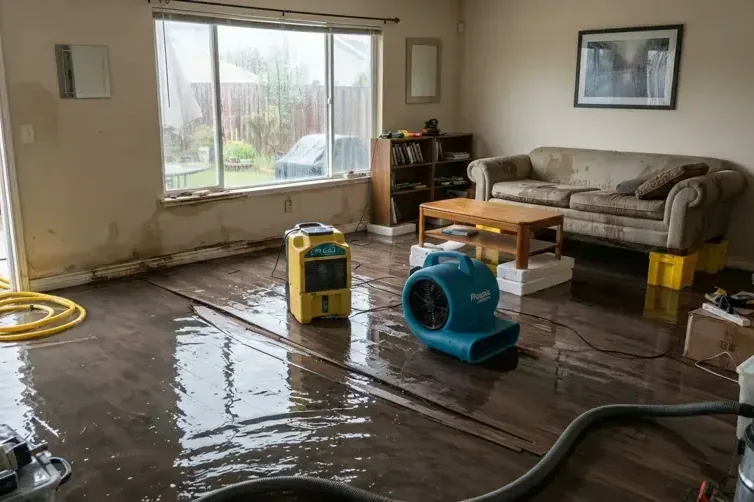
Professional attention for water extraction and removal
Rapid local response
The response team treats active water movement as urgent. Dispatch records the source, affected rooms and safe entry conditions so the extraction plan starts with the actual problem.
IICRC S500 drying standard
The drying team measures wet materials against a dry reference, manages evaporation with extraction and dehumidification, and adjusts equipment as readings change through the drying cycle.
Claim-ready documentation
The restoration technician records visible damage before removal, maps concealed moisture and maintains dated progress notes. That record separates emergency mitigation work from subsequent plumbing or building repairs.
Local water experts
The inspection follows the route water took through the property. Floor transitions, wall cavities and concealed layers receive attention even when the visible puddle occupies only a small area.
First steps for water extraction and removal
Check entry before approaching
The household should identify a dry entrance and keep traffic away from water near electrical equipment. An inaccessible room can wait for a safe assessment.
Isolate the continuing release
If a source shutoff is safely reachable, stopping the flow limits additional spread. Record whether the water continues returning after the visible puddle is removed.
Photograph the connected surfaces
Capture the wet room and nearby thresholds without walking through hazards. Include damp furniture feet, lifted floor edges and any water visible beyond the original room.
Leave heavy contents in place
Describe large items that obstruct extraction rather than dragging them across wet flooring. Their condition and safe movement can be addressed in the room plan.
What does water extraction and removal cost in Union City, GA?
Union City extraction estimates depend on water depth, reachable surfaces and the contents that limit access. These ranges describe removal planning; concealed moisture, contaminated materials or later finish repairs can change the work required after inspection.
Accessible puddling
$500 to $1,200
- Open floor area
- Limited contents movement
- Reachable water edges
Connected rooms
$1,200 to $2,500
- Multiple surface types
- Threshold moisture checks
- Broader extraction route
Deep or complex water
$2,500 to $3,500+
- Difficult access points
- Greater recovery needs
- Detailed material assessment
Water category, wet area, material class and the delay before drying shape the scope. The water damage cost calculator provides an estimate only.
Documentation for your insurance claim
The claim file contains a moisture map, daily psychrometric logs, timestamped pre-demolition photos and a line-item scope. The restoration team records the water category and affected material class. Sudden accidental leaks, outside flooding and sewer backups can receive different treatment under a policy. The policyholder checks coverage and deductibles with the insurer before assuming any payment.
How water extraction and removal is handled
The restoration plan follows the source, the wet materials and the measurements taken through each stage.
Outline the recovery area
Inspection connects the source location with wet floors and affected contents. Entry restrictions and power concerns are addressed before recovery equipment is positioned.
Recover accessible liquid
Extraction proceeds across the identified surfaces using tools suited to the materials. Areas obstructed by belongings are handled through an agreed movement and access plan.
Inspect what remains damp
Measurements at floor transitions and wall edges reveal moisture that surface recovery cannot remove. The resulting map identifies where drying or selective access is needed.
Explain the remaining scope
A written update separates completed extraction from ongoing material drying. It also identifies source repair needs and damaged finishes that will require later attention.
More about water extraction and removal in Union City
A shallow pool can spread farther than its visible edge. At a Union City home, the useful starting point is a sketch of the wet rooms, their floor coverings and the source that fed them. Extraction tackles accessible liquid first, while measurements help determine whether the next room or a concealed floor layer also belongs in the work area.
Record the route through the rooms
The Enclave at Whitewater Creek includes townhomes. In an affected residence there, a room record should distinguish the location of the original spill from every surface it reached. Water passing beneath a door may leave a narrow damp strip that matters even after the main puddle has been recovered.
- Mark floor transitions where different materials meet and water may collect.
- Check reachable edges beside cabinets rather than judging only exposed flooring.
- Record contents that prevent inspection of the wet boundary beneath them.
The amount recovered tells only part of the story. A tool can remove surface water without reaching saturated padding or moisture beneath a finish. The inspection should explain which layers remain, how they will be checked and whether lifting or selective removal is necessary to reach trapped water.
Select extraction around the material
A hard floor, a textile covering and an open cavity require different handling. Recovery tools should fit the surface and avoid creating damage during access. Where the source involves contaminated water, entry controls and material decisions come before ordinary airflow. That change in approach should be clear in the proposed work.
A location near Mayor's Park can help explain where a property is, but the floor plan gives the extraction team its working information. Describe steps, narrow entries, heavy furniture and the safest hose route. Keeping hoses out of occupied paths helps the household move around the dry portion of the building.
- Identify the safe route from the entrance to the affected room.
- Separate items awaiting inspection from belongings that are already dry.
- Keep the electrical assessment distinct from the water recovery setup.
Water still affecting the floor?
Describe the puddle, the floor covering and any doorway the water crossed. That starting picture helps focus an extraction assessment on the surfaces still holding moisture.
(888) 532-4616Discuss the pooled waterFinish removal with a drying decision
When puddles are gone, retained materials still need evaluation. A damp wall base or underfloor layer can require targeted structural drying. Record the remaining moisture locations before placing equipment so later readings can be compared with the same points. A smooth looking surface alone should not decide when the work ends.
Households using Ronald Bridges Park & Nature Trail as a nearby reference can also describe which entrance stays dry. That detail is useful when the main doorway crosses the affected floor. At the handoff, a room list should identify extracted surfaces, inaccessible areas and the next steps needed before damaged finishes are repaired.
Standing water changes safe access
Keep people away from water near outlets, cords or electrical equipment. A household vacuum is not a suitable substitute for assessed water recovery. If a ceiling is unstable or the source is unknown, leave the area clear while the appropriate professionals establish safe access and the cleanup approach.
Water extraction and removal in Union City
Property calls around Flat Shoals Road can include the entrance used, any locked access and the rooms holding water. Those details help organize inspection of the doorway and connected floor surfaces.
The same service nearby: water extraction and removal in Lithia Springs, Villa Rica, Hiram.
Related water damage services in Union City
Water Extraction and Removal questions
Talk through the wet areas
Describe the puddle, the floor covering and any doorway the water crossed. That starting picture helps focus an extraction assessment on the surfaces still holding moisture.
(888) 532-4616Discuss the pooled waterCan towels handle a shallow puddle?
Towels absorb accessible surface water. Seams and nearby trim need their own moisture checks when dampness persists or the spill spreads. An inspection can follow the wet area into surrounding materials and identify any concealed layer needing attention.
Will extraction reach water under carpet?
Recovery can address accessible moisture, but padding and the surface beneath it need their own assessment. The decision to lift, remove or retain a layer depends on its condition, contamination and whether drying access is practical.
Does the water need to stop first?
Controlling the source prevents fresh water from replacing what has been removed. Some protective work can be coordinated while repairs are arranged, but the scope should clearly explain any active entry and the resulting limits on extraction.
Can heavy furniture stay in the room?
Some items can remain if safe access and material checks are possible. Others obstruct wet surfaces or carry absorbed water. Movement decisions should consider weight, item condition and the route across the floor before anything is dragged.
Why measure a room without puddles?
Moisture can travel beneath a covering or along a wall base. Readings in adjoining areas help locate the real boundary of the loss and prevent drying equipment from serving only the most visibly affected part of the floor.
What record follows water removal?
Useful records identify the extracted rooms, retained materials and damp areas needing more work. They also describe access limitations and the recommended drying plan, giving the homeowner a clear distinction between removed liquid and moisture still inside materials.
Make the next room part of the assessment
An extraction plan should follow the wet footprint and explain what remains beneath the surface once the visible water disappears.
(888) 532-4616Arrange floor water recovery