Water Extraction in Lithia Springs, GA
The extraction crew removes standing water, checks beneath floor coverings and maps the wet perimeter. Lithia Springs water damage response starts with safe access and continues through measured drying.
(888) 532-4616Arrange wet-floor extraction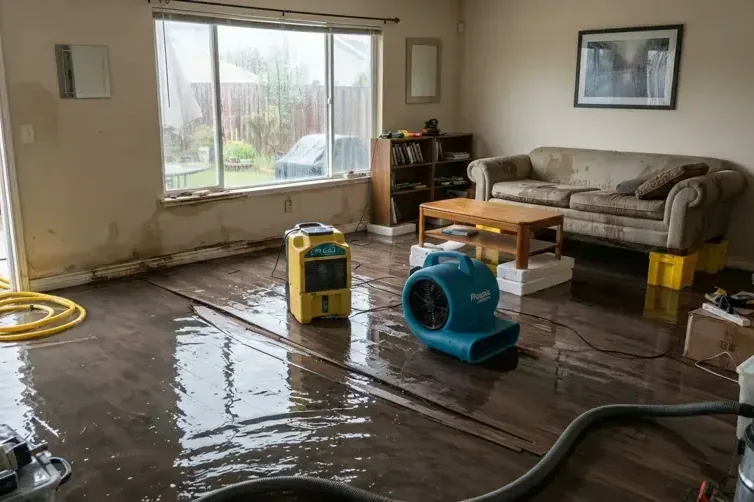
Professional attention for water extraction and removal
Rapid local response
The response team treats active water movement as urgent. Dispatch records the source, affected rooms and safe entry conditions so the extraction plan starts with the actual problem.
IICRC S500 drying standard
The drying team measures wet materials against a dry reference, manages evaporation with extraction and dehumidification, and adjusts equipment as readings change through the drying cycle.
Claim-ready documentation
The restoration technician records visible damage before removal, maps concealed moisture and maintains dated progress notes. That record separates emergency mitigation work from subsequent plumbing or building repairs.
Local water experts
The inspection follows the route water took through the property. Floor transitions, wall cavities and concealed layers receive attention even when the visible puddle occupies only a small area.
First steps for water extraction and removal
Stop the feed safely
The occupant closes an accessible water valve only from a dry, safe position. A plumbing professional handles an inaccessible or damaged shutoff.
Keep people on dry ground
The household separates children and pets from wet rooms, especially where water reaches outlets, appliances or a slippery transition between floor coverings.
Capture the water path
The owner photographs the source and affected rooms before moving belongings. The extraction technician uses that record to compare the starting footprint with later readings.
Clear an equipment route
Light belongings move to a dry location when safe. Heavy furniture and saturated materials remain for the crew to handle without dragging water into clean rooms.
What does water extraction and removal cost in Lithia Springs, GA?
Water extraction in Lithia Springs typically costs $500 to $3,500 for a contained residential loss. Deep pooling, contaminated water and moisture trapped beneath finishes can raise the scope; drying and repairs may add separate work.
Accessible puddling
$500 to $1,200
- Small wet footprint
- Accessible floor surface
- Initial moisture check
Connected rooms
$1,200 to $2,500
- Multiple floor transitions
- Carpet extraction passes
- Subfloor assessment
Deep or complex water
$2,500 to $3,500+
- Pump-assisted removal
- Restricted access
- Contamination precautions
Water category, wet area, material class and the delay before drying shape the scope. The Lithia Springs water damage cost calculator provides an estimate only.
Documentation for your insurance claim
The claim file contains a moisture map, daily psychrometric logs, timestamped pre-demolition photos and a line-item scope. The restoration team records the water category and affected material class. Sudden accidental leaks, outside flooding and sewer backups can receive different treatment under a policy. The policyholder checks coverage and deductibles with the insurer before assuming any payment.
How water extraction and removal is handled
The restoration plan follows the source, the wet materials and the measurements taken through each stage.
Inspect the source
The technician identifies the incoming water and checks the electrical conditions, then records the material types and starting moisture around each affected room.
Remove liquid water
The extraction crew selects a pump, wand or weighted extractor for the surface, protecting doorways and dry areas while moving hoses through the property.
Open trapped layers
The restoration team evaluates pad, floor coverings and cabinet edges, removing unsuitable material where trapped moisture prevents an effective and sanitary dry-out.
Transfer to drying
The drying technician sets equipment for the remaining moisture load and documents the readings that determine whether walls and floor assemblies continue to dry.
More about water extraction and removal in Lithia Springs
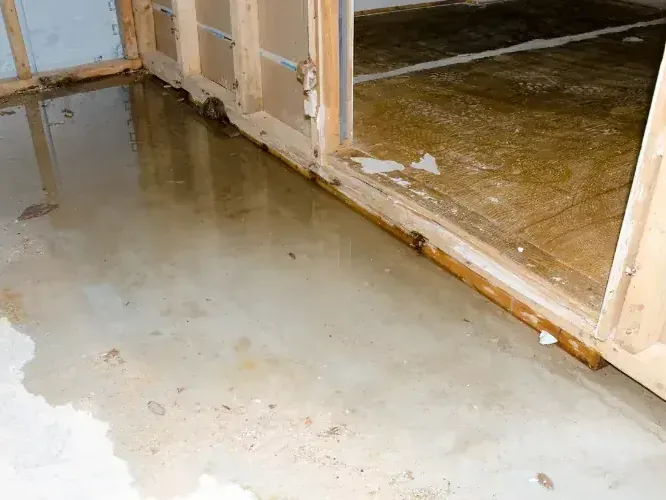
A puddle shows only the water that remains on top. The extraction technician follows its edges under carpet, along cabinet bases and through doorways before choosing a pump or extraction wand. Removing liquid water first reduces the load that dehumidifiers must handle later. A surface that stops reflecting light can still hold substantial moisture below its finish.
Follow the wet edge through connected rooms
In Beechwood Hills, a wet living room may need a different extraction setup from a narrow kitchen or an occupied apartment near Woodrow Wilson Park. The crew checks the actual floor assembly and access route. Moving furniture without protection can transfer moisture or stain a previously dry surface, so the team separates handling from extraction.
- Weighted extraction can remove absorbed water from suitable carpet while the technician assesses whether the pad can remain.
- Portable units reach rooms where a long hose run would obstruct safe access.
- Wet trim and wall bottoms receive meter checks beyond the visible puddle.
The crew records the starting water depth and marks the wet boundary. Those observations help distinguish an active leak from residual moisture that drying equipment must remove. A plumber addresses a failed supply connection before the restoration team treats the room as stable.
Water source determines what stays
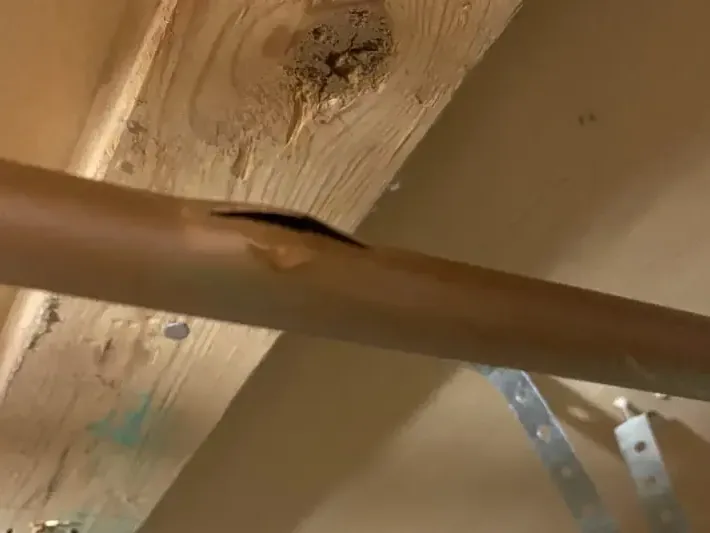
Sweetwater Creek flows through the eastern community, while household plumbing can wet a building in any weather. Water entering from outside carries a different contamination concern from a newly broken supply pipe. The restoration technician identifies that distinction before extracting carpet or directing air across wet materials. Clear-looking water is not a reliable sign of cleanliness.
- Fresh supply water may allow compatible floor materials to dry in place after extraction.
- Outdoor floodwater and sewage require containment and removal decisions for porous finishes.
- Water trapped under impermeable flooring needs access, even after the exposed surface is dry.
Homes along Mount Vernon Road need source-specific assessment rather than a blanket flood assumption. The crew photographs the entry point and any debris, then checks whether water traveled through a drain, doorway or concealed plumbing cavity. The owner can review the distinction between extraction and structural drying.
Water still affecting the floor?
A wet carpet edge can hide a larger soaked area. The extraction team assesses accessible flooring and adjacent materials before selecting the removal method.
(888) 532-4616Discuss the pooled waterExtraction ends when drying can work effectively
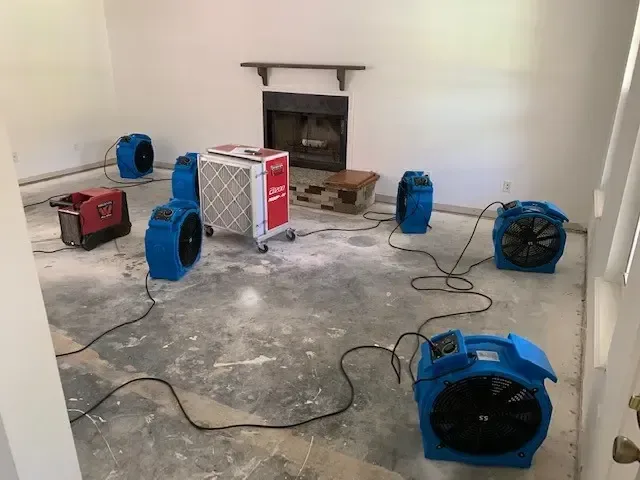
Repeated wand passes remove more water than a single surface pass when the floor assembly supports that method. The technician then measures moisture in the subfloor and adjoining walls. Air movers and LGR dehumidifiers take over the remaining evaporation load. The drying team checks those materials again rather than using the absence of standing water as the completion test.
- Record areas that remain inaccessible under fixed cabinets or appliances.
- Compare moisture readings at wet edges with unaffected reference locations.
- Document flooring removal separately from the equipment and monitoring time.
For a larger loss, the crew establishes separate work zones so extracted areas do not receive water from an untreated room. The property owner keeps a route clear for equipment and avoids shutting machines off between checks. The cost calculator helps compare area and contamination assumptions.
Electrical safety comes before a pump
Occupants keep clear of wet outlets, power strips and appliances. A qualified professional makes electrical conditions safe before powered extraction begins. The crew also checks unstable flooring and ceiling hazards before moving equipment through a room. Household vacuums are unsuitable for standing water.
Water extraction and removal in Lithia Springs
Service coverage includes ZIP 30122, Beechwood Hills, Chestnut Log, Heritage Square, Park Forest and homes along Mount Vernon Road. Dispatch uses the property location and access conditions to plan the response.
Water damage response is available 24/7.
Related water damage services in Lithia Springs
Water Extraction and Removal questions
Talk through the wet areas
A wet carpet edge can hide a larger soaked area. The extraction team assesses accessible flooring and adjacent materials before selecting the removal method.
(888) 532-4616Discuss the pooled waterDoes a small puddle need professional extraction?
A small surface puddle may conceal water beneath flooring or behind trim. The restoration technician measures those areas before deciding whether simple removal is enough. The wet material and water source matter more than the visible puddle size.
Can the carpet remain after extraction?
Suitable carpet affected by clean supply water may remain if the backing, pad and subfloor can dry effectively. Contaminated water, delamination and persistent trapped moisture change that decision. The technician inspects the full assembly before recommending removal.
Why is a dehumidifier needed after the water is gone?
Extraction removes liquid water efficiently, but porous materials still release absorbed moisture. A dehumidifier captures that vapor while air movers support evaporation. Measurements in walls and flooring confirm whether the remaining moisture is actually leaving the building materials.
Does creek flooding require a different method?
Outdoor floodwater can carry contamination and debris. The crew isolates affected areas and evaluates porous materials for removal before ordinary drying starts. Ready.gov flood advice supports safe reentry, while the inspection establishes conditions inside the particular home.
How long does extraction take?
The footprint, water depth, access and floor covering determine the extraction work. Drying continues afterward when materials remain wet. The team explains the sequence after inspection rather than attaching a fixed completion time to an unseen room.
What should be kept for the claim?
The owner retains photos of the initial water, receipts and the written mitigation scope. The restoration record adds moisture maps, extraction notes and drying measurements. The insurer reviews those documents under the policy and determines any covered payment.
Standing water needs a controlled exit
The crew removes liquid water, checks hidden layers and sets the next drying steps around the actual wet footprint.
(888) 532-4616Get the wet floor assessed