Sewage Backup Cleanup in Lithia Springs, GA
Sewage is Category 3 water from the start. The cleanup team isolates the affected area, removes contaminated porous materials and cleans exposed surfaces before measuring the remaining drying needs.
(888) 532-4616Arrange contaminated-water cleanup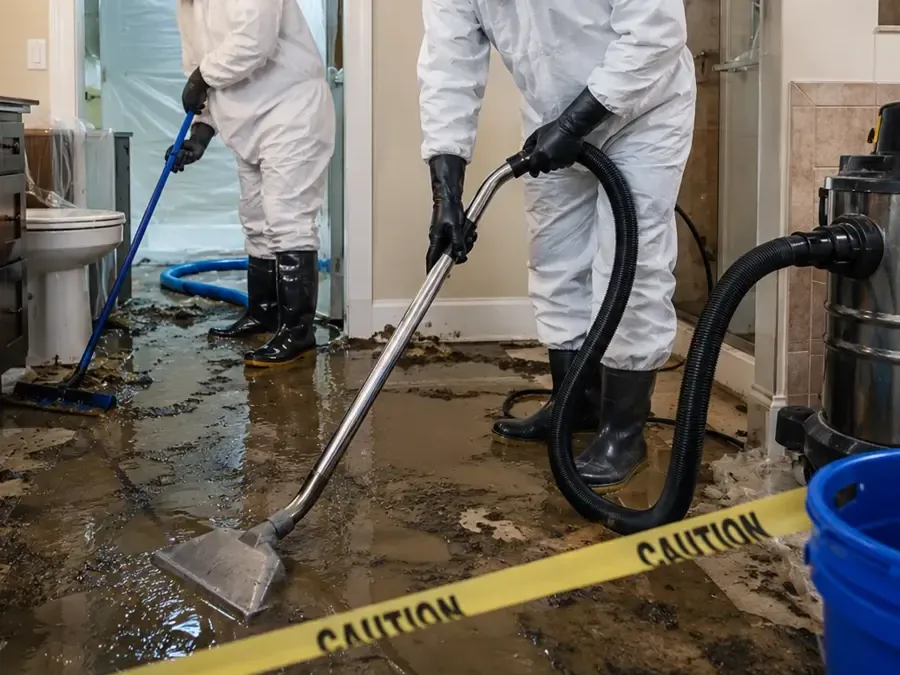
Professional attention for sewage backup cleanup
Rapid local response
The response team treats active water movement as urgent. Dispatch records the source, affected rooms and safe entry conditions so the extraction plan starts with the actual problem.
IICRC S500 drying standard
The drying team measures wet materials against a dry reference, manages evaporation with extraction and dehumidification, and adjusts equipment as readings change through the drying cycle.
Claim-ready documentation
The restoration technician records visible damage before removal, maps concealed moisture and maintains dated progress notes. That record separates emergency mitigation work from subsequent plumbing or building repairs.
Local water experts
The inspection follows the route water took through the property. Floor transitions, wall cavities and concealed layers receive attention even when the visible puddle occupies only a small area.
First steps for sewage backup cleanup
Stop fixture use
The household stops toilets, washing machines and other fixtures feeding the affected drain. A plumber evaluates the blockage before normal wastewater use resumes.
Close the affected room
Occupants stay outside the contaminated boundary and keep children and pets away. No one walks through the overflow to retrieve replaceable belongings.
Protect clean pathways
The owner avoids moving soaked rugs or furniture through the home. The cleanup crew establishes a protected route for equipment and contained waste.
Keep a safe record
Photographs taken from a clean area preserve the starting condition. The owner retains plumbing findings and informs the insurer of the backup source.
What does sewage backup cleanup cost in Lithia Springs, GA?
Sewage backup cleanup in Lithia Springs often ranges from $1,500 to $8,000 or more. Contaminated porous materials, containment, disposal access and the number of affected rooms matter more than the visible puddle alone.
Contained hard-surface area
$1,500 to $3,000
- Wastewater extraction
- Surface cleaning
- Controlled access
Room with porous damage
$3,000 to $5,500
- Drywall and pad removal
- Contained disposal
- Structural moisture checks
Multiroom contamination
$5,500 to $8,000+
- Expanded containment
- Greater removal volume
- Extended cleaning and drying
Water category, wet area, material class and the delay before drying shape the scope. The Lithia Springs water damage cost calculator provides an estimate only.
Documentation for your insurance claim
The claim file contains a moisture map, daily psychrometric logs, timestamped pre-demolition photos and a line-item scope. The restoration team records the water category and affected material class. Sudden accidental leaks, outside flooding and sewer backups can receive different treatment under a policy. The policyholder checks coverage and deductibles with the insurer before assuming any payment.
How sewage backup cleanup is handled
The restoration plan follows the source, the wet materials and the measurements taken through each stage.
Establish a clean boundary
The mitigation crew identifies contaminated rooms, selects protective equipment and creates a disposal route before wastewater or damaged materials move through the building.
Extract and remove
Wastewater is removed with appropriate equipment, followed by affected porous finishes and insulation. The crew photographs the removal boundary and protects adjacent clean areas.
Clean accessible surfaces
The cleanup team physically cleans exposed materials and applies a suitable EPA-registered antimicrobial according to its label, including the required wet contact time.
Measure and release
The drying technician tracks moisture in the cleaned structure, records equipment progress and explains the conditions required before reconstruction or ordinary occupancy of the work area.
More about sewage backup cleanup in Lithia Springs
A drain backup can spread contamination beyond the dark water visible around a toilet or shower. Footsteps, mops and household fans can carry it into otherwise clean rooms. The mitigation team establishes a controlled work boundary and checks the route wastewater followed before starting removal. Occupants keep children, pets and stored belongings away from the affected area.
Separate drain repair from contaminated cleanup
In Park Forest, Chestnut Log and homes around Skyview Drive, a plumber investigates the obstruction or failed drain while the cleanup crew evaluates the wet building materials. A restored drain only stops the ongoing backup. It does not remove contamination already absorbed into drywall, pad or cabinet components.
- Stop using fixtures that discharge into the affected drain until the plumber advises otherwise.
- Keep bathroom doors and safe access routes controlled without crossing the wastewater.
- Photograph the overflow area from a clean position before materials move.
The property owner reports any suspected public-system problem to the relevant utility. The crew records the known source and visible debris and keeps the plumber's source diagnosis in the record. Plumbing findings and restoration notes remain separate parts of the loss record.
Remove what cannot be cleaned through its thickness
Carpet, pad, wet insulation and affected drywall can hold contamination below the surface. The team removes contaminated porous materials above the waterline to reach sound, cleanable boundaries. Removal height follows inspection and actual wetting rather than a single fixed cut around every room. Contents receive their own assessment before anyone carries them through a clean hallway.
- Protect workers with suitable gloves, boots, protective clothing and respiratory protection selected for the work.
- Bag or contain removed materials and protect the route used for disposal.
- Clean accessible hard surfaces before applying any treatment product.
The crew uses an EPA-registered antimicrobial according to its label, including required dwell time and surface conditions. Spraying product onto debris does not replace physical cleaning. Air movement and HEPA filtration follow the containment plan so the cleanup process does not spread contaminated particles into occupied space.
Water still affecting the floor?
Wastewater affects more than the visible floor surface. The cleanup team evaluates contamination, protects clean areas and explains which porous materials need removal before drying.
(888) 532-4616Discuss safe backup removalDry the cleaned structure and record the sequence
Once removal and cleaning establish suitable conditions, the drying technician checks framing, subfloor and wall boundaries. Equipment settings respond to remaining moisture rather than odor alone. A room that smells better may still have wet structural materials. The owner receives a record of affected areas, removals, cleaning steps and moisture measurements.
- Document the original waterline and the materials removed above it.
- Record cleaning products and application details in the job file.
- Keep reconstruction separate until the exposed structure meets its drying goal.
Rainfall and a drain backup can occur together without having the same cause. Sweetwater Creek flood history provides local context, but the inspection determines how water entered this property. Sewer backup coverage can also differ from ordinary sudden water damage coverage. The owner checks any endorsement with the insurer and keeps the plumber's diagnosis.
Do not start fans across sewage
Occupants avoid touching wastewater and keep household fans off in the contaminated area. The cleanup crew controls access and removes contaminated porous finishes before normal drying proceeds. Anyone exposed to sewage follows appropriate health advice. Electrical hazards still require professional isolation before powered cleanup equipment enters.
Sewage backup cleanup in Lithia Springs
Service coverage includes ZIP 30122, Beechwood Hills, Chestnut Log, Heritage Square, Park Forest and homes along Mount Vernon Road. Dispatch uses the property location and access conditions to plan the response.
Water damage response is available 24/7.
Related water damage services in Lithia Springs
Sewage Backup Cleanup questions
Talk through the wet areas
Wastewater affects more than the visible floor surface. The cleanup team evaluates contamination, protects clean areas and explains which porous materials need removal before drying.
(888) 532-4616Discuss safe backup removalIs a toilet backup always Category 3?
Sewage-containing water is Category 3 immediately. Its appearance and the size of the spill do not make it safe. The cleanup team evaluates the affected surfaces and prevents contamination from being tracked into surrounding rooms.
Can contaminated carpet be shampooed and kept?
Carpet and pad affected by sewage generally require removal because contamination can remain through their thickness. Surface cleaning does not restore the backing or underlying pad. The crew also checks the subfloor and lower walls before drying.
Should bleach be poured over the wet floor?
The first priority is keeping people out and stopping the backup. The cleanup crew removes wastewater and debris, then uses appropriate cleaning methods and labeled products. Mixing household chemicals can introduce additional hazards and does not replace removal.
Why does drywall come out above the waterline?
Moisture and contamination can wick above the visible mark. The crew checks the wall assembly and removes affected porous material to a suitable boundary. A cut based only on the darkest stain can leave wet material concealed.
Can the family remain in the house?
The answer depends on the contaminated area, clean access routes, utilities and the containment plan. The restoration team explains the restrictions after inspection. Occupants must have a way to avoid the work area and any unsafe electrical conditions.
Does standard homeowners coverage include backups?
Sewer backup coverage may require an endorsement and can have separate limits. The insurer confirms the policy terms. The owner keeps the plumber's diagnosis, original photographs and cleanup scope to explain the cause and resulting damage.
Keep sewage away from occupied rooms
The mitigation team controls the cleanup boundary and documents removal, cleaning and drying in the correct sequence.
(888) 532-4616Request a sewage damage assessment