Water Damage Restoration Lithia Springs, GA
Local restoration pros remove standing water, address contaminated materials and dry the structure with measured moisture checks. Emergency assessment is available 24/7 for homes and business interiors.
(888) 532-4616Get the wet areas assessedThe crew traces the source and wet footprint before choosing extraction equipment, removal boundaries and the drying plan.
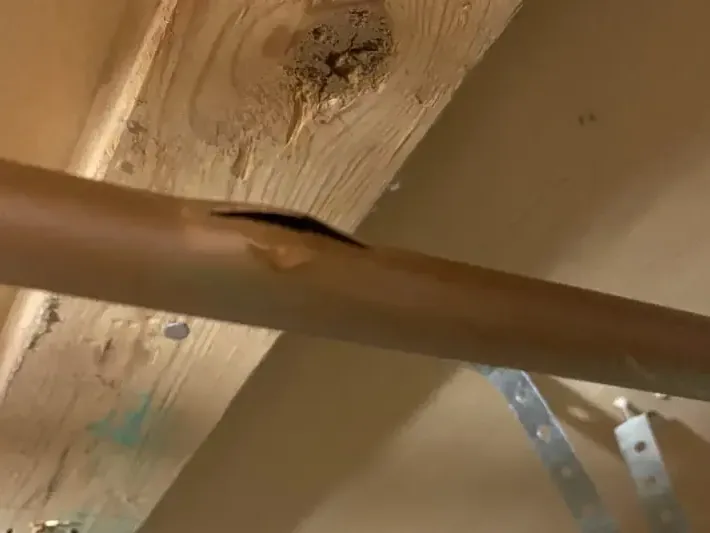
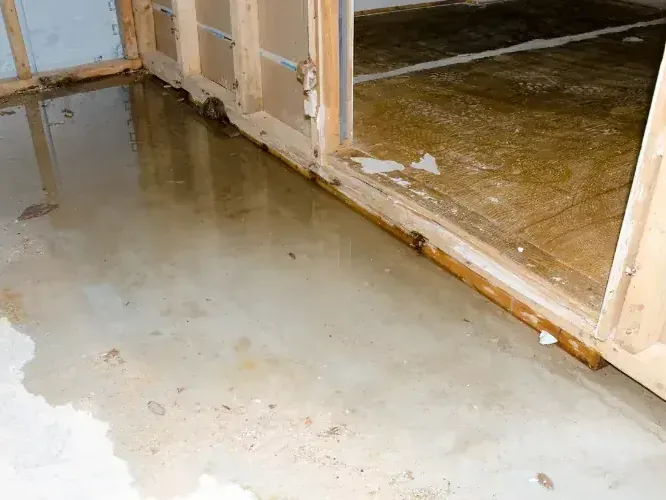
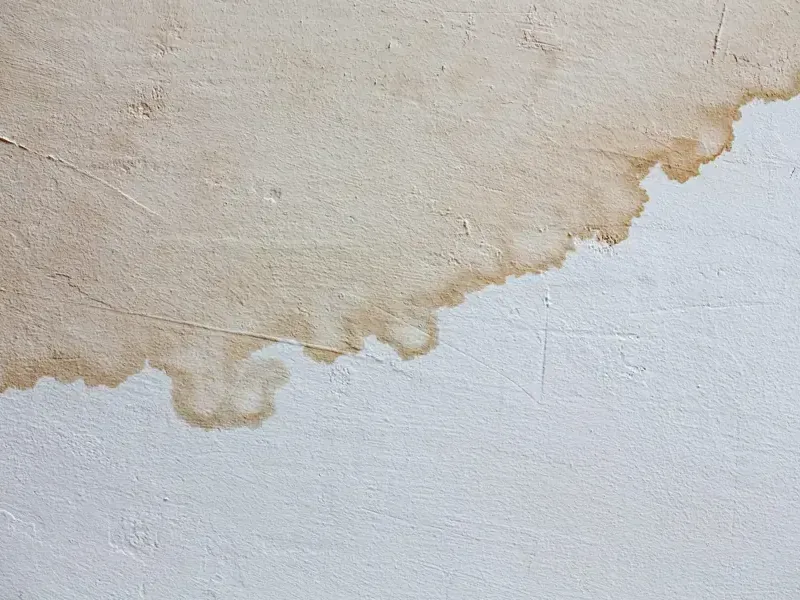
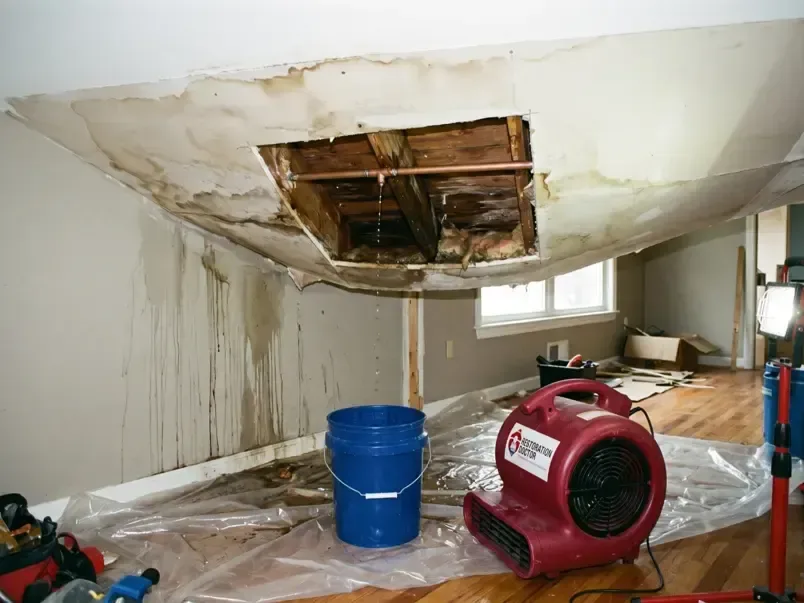
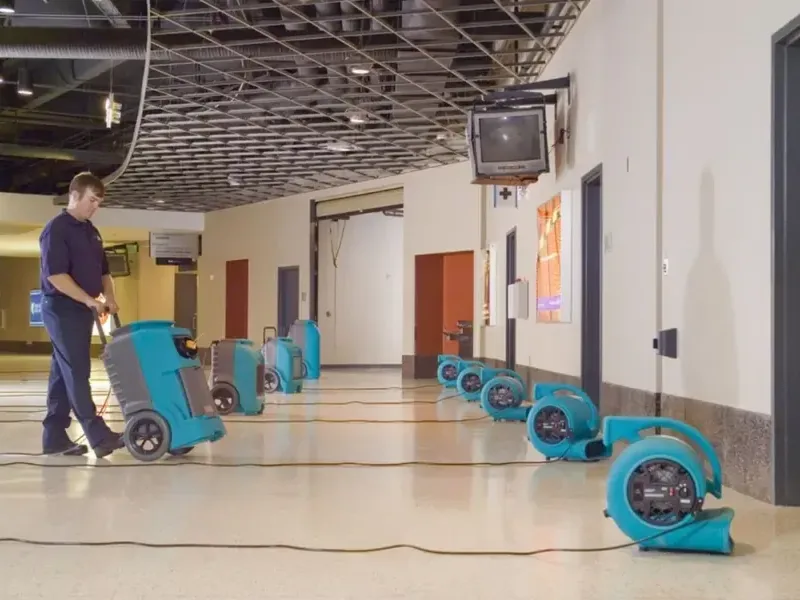
How the dry-out works
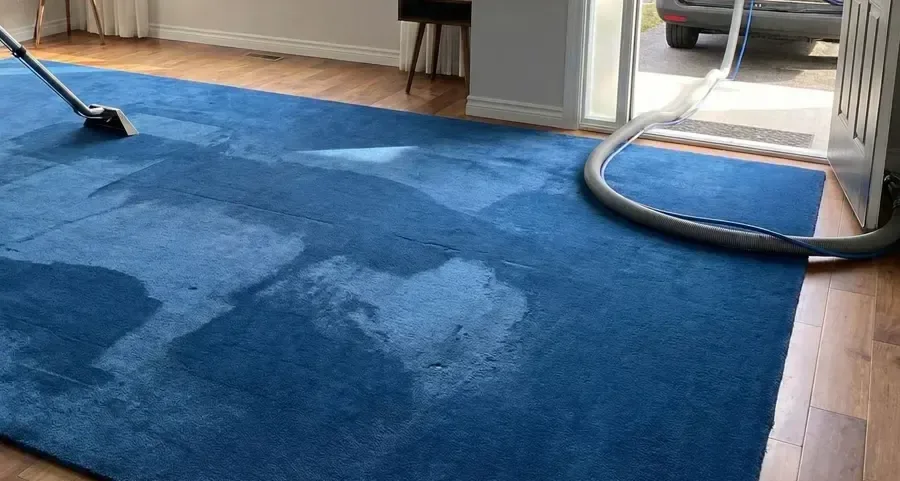
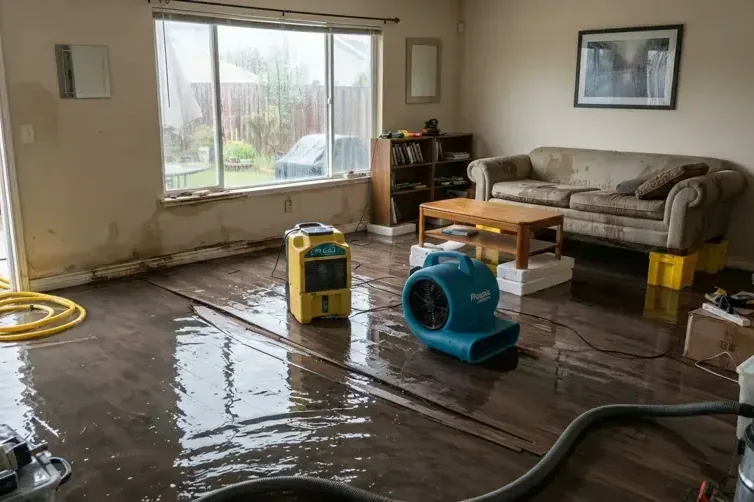
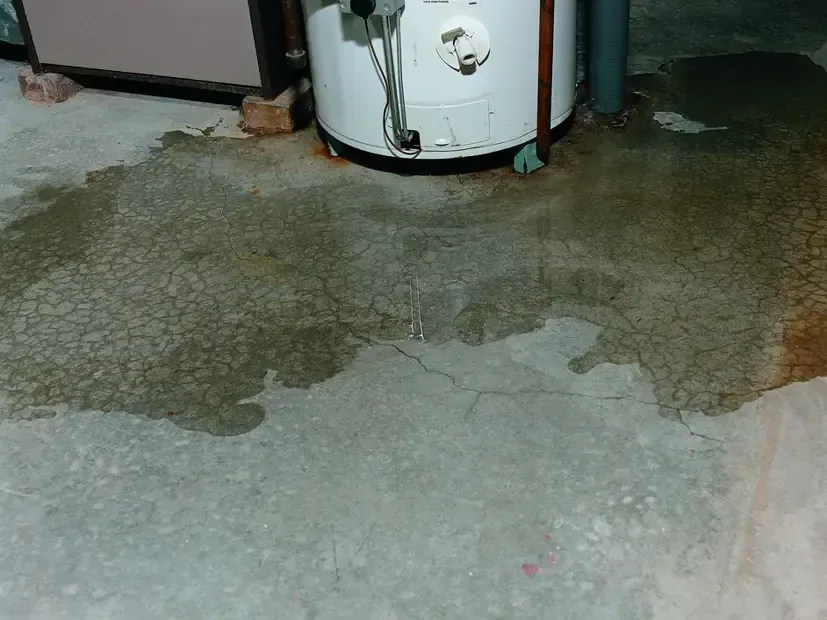
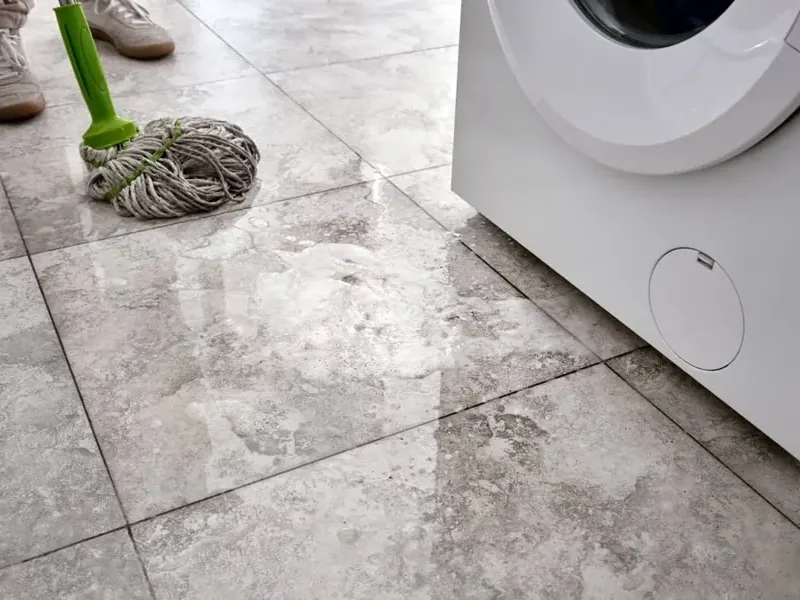
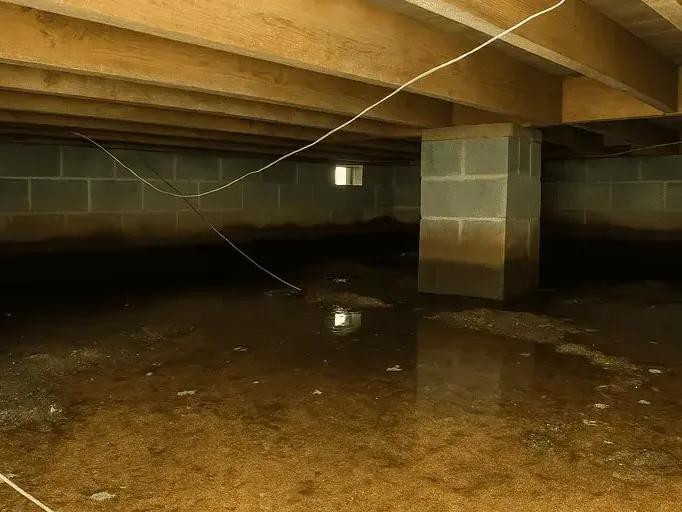
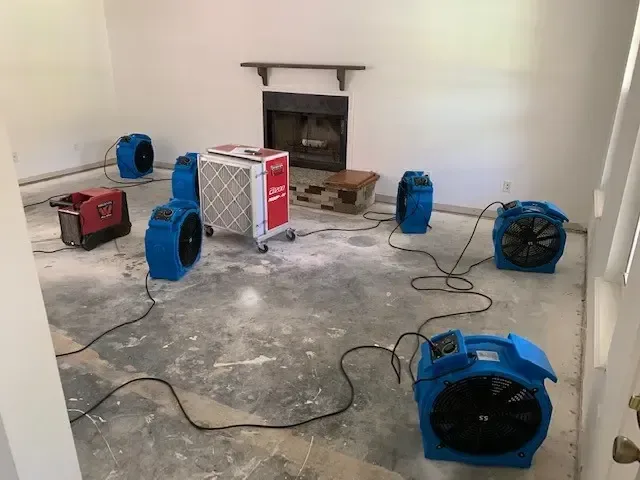
The restoration team removes liquid water before relying on evaporation. Material readings, temperature and humidity then guide the drying setup and show when a different approach or additional access is needed.
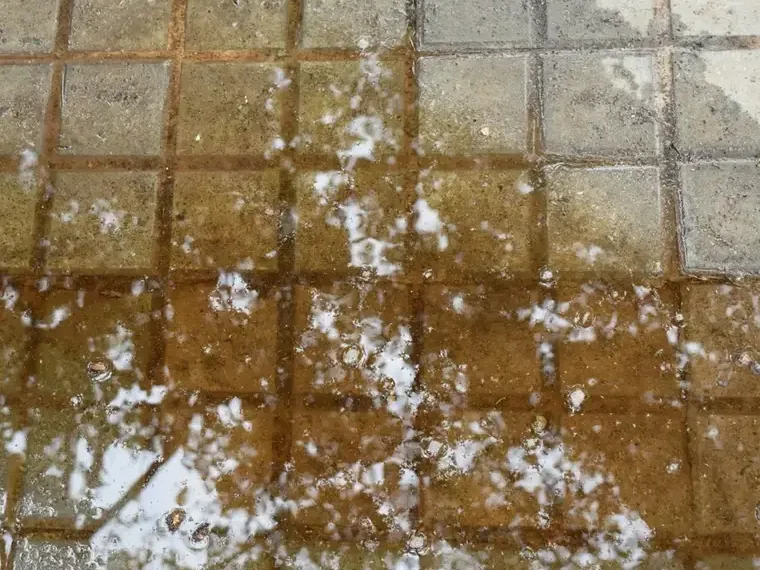
Assess the route
The technician identifies the water source and wet boundaries, checking electrical and overhead hazards before selecting equipment or opening affected finishes.
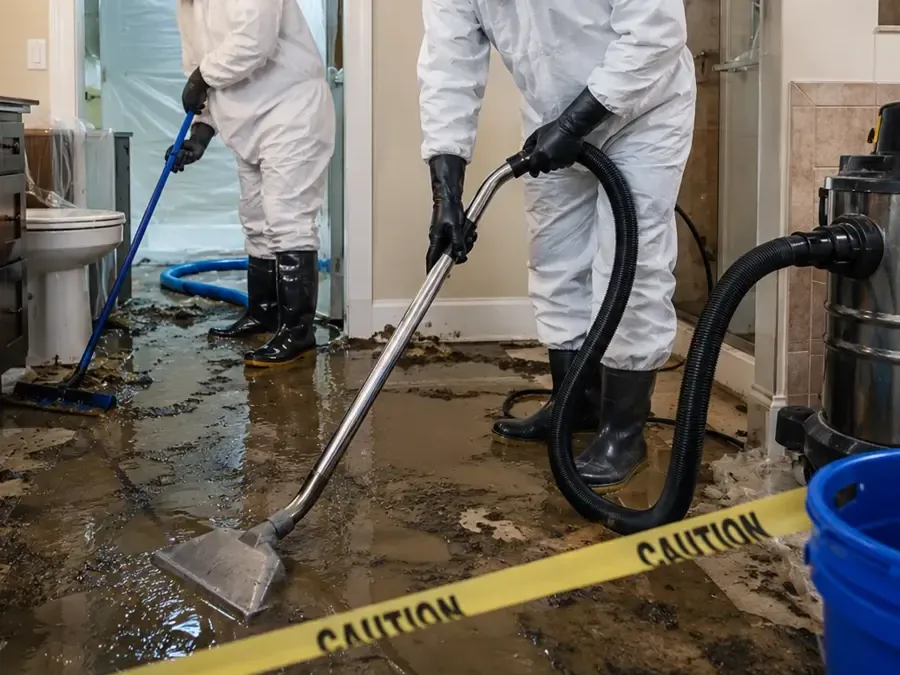
Remove the liquid
The extraction crew removes standing water and evaluates contaminated or damaged layers, protecting dry rooms and the path used for equipment and disposal.
Dry accessible materials
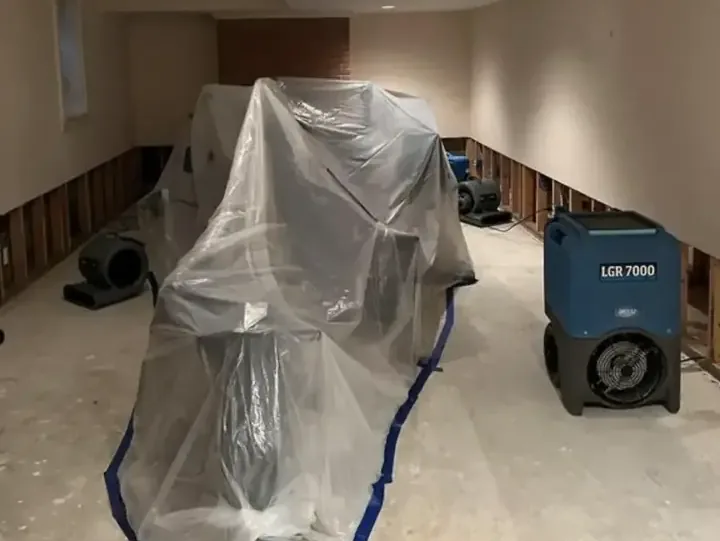
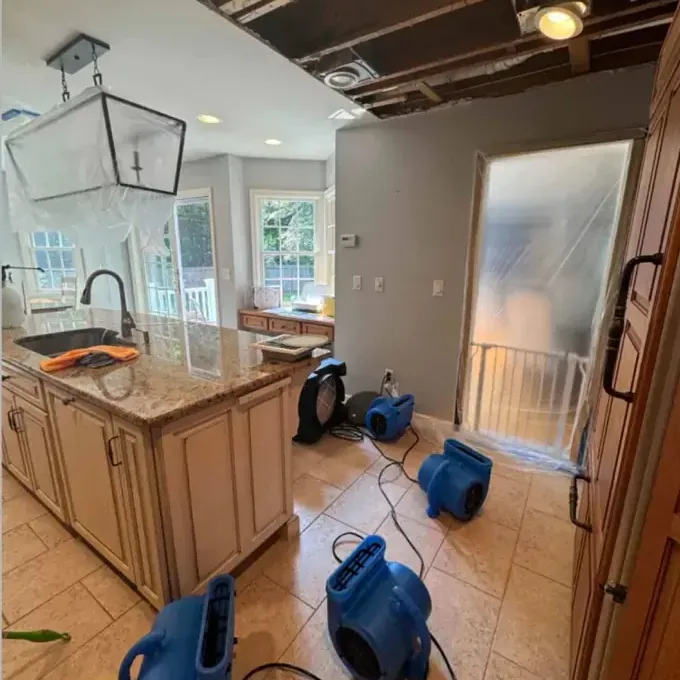
Air movers and dehumidifiers address the remaining moisture load. The crew adjusts access and placement as framing, floors and wall materials respond.
Verify the endpoint
Repeat readings establish progress against suitable references. The owner receives documentation and a handoff that separates drying from later repairs and finishing work.
Water damage dried to the IICRC S500 standard
- Extraction before evaporation
- Airflow with dehumidification
- Readings before equipment removal
Water damage help across Lithia Springs
One call reaches Lithia Springs water damage pros, 24/7
The property location, active source and safe entry conditions help dispatch plan the initial response. Mention any wet ceiling, electrical concern or contaminated water.
The crew confirms access to affected rooms and checks the water route before choosing the removal and drying equipment.
(888) 532-4616Check access for the wet propertyResidential areas and access roads
ZIP covered
Nearby places
What a water damage dry-out looks like in Lithia Springs
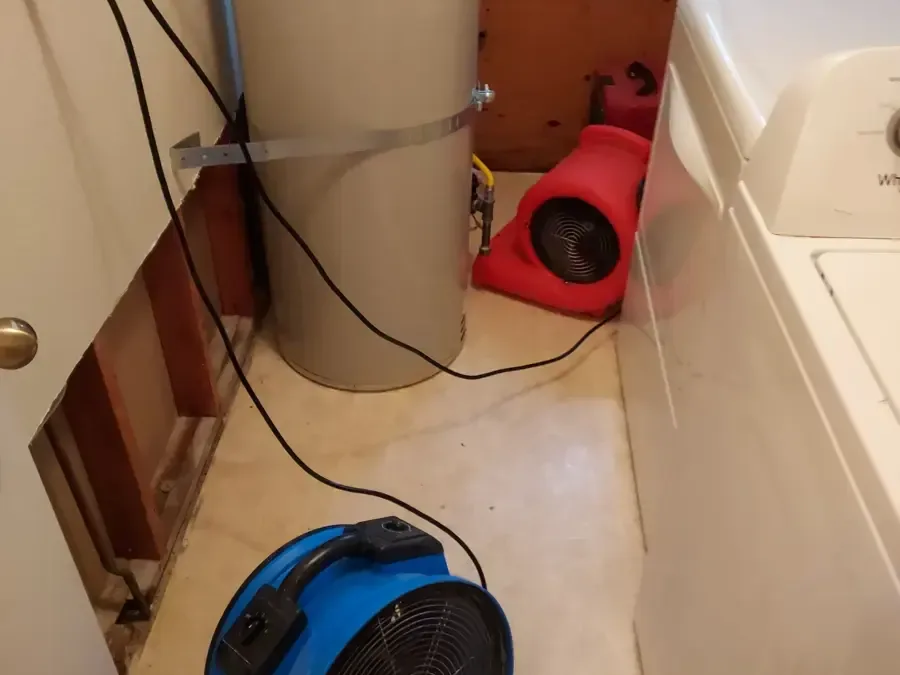
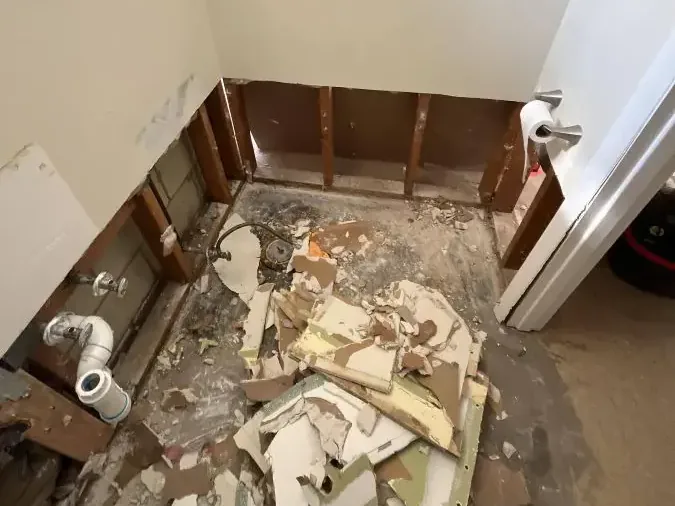
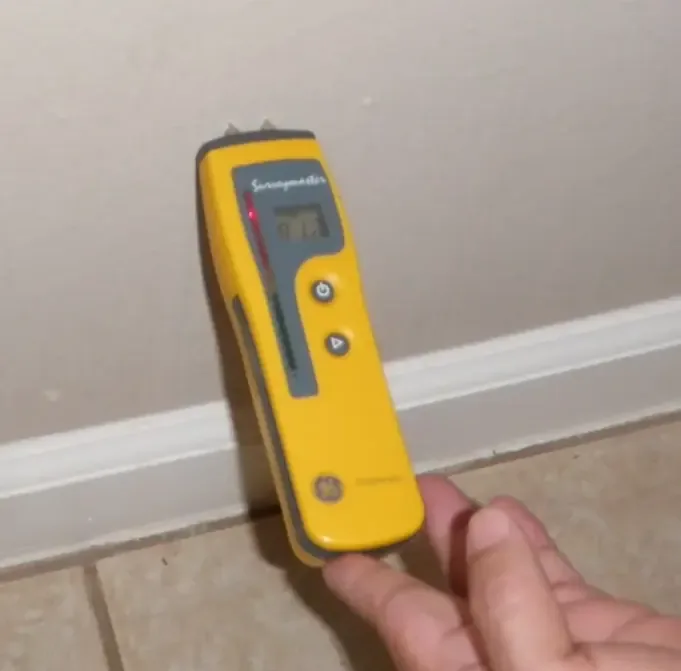
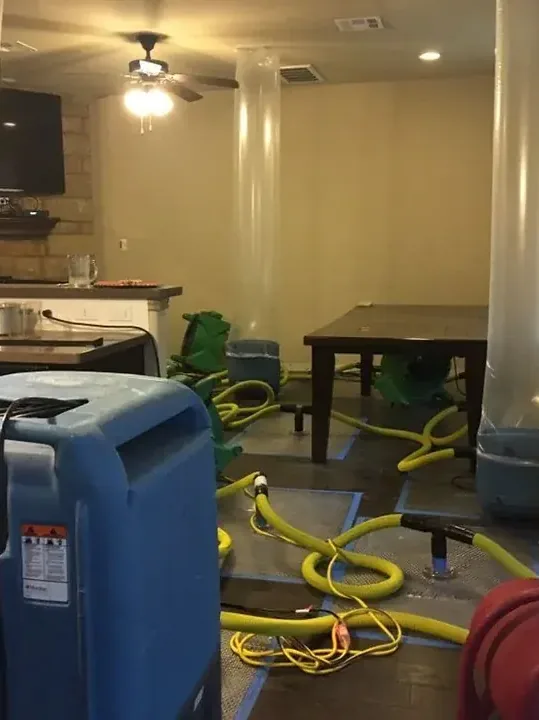
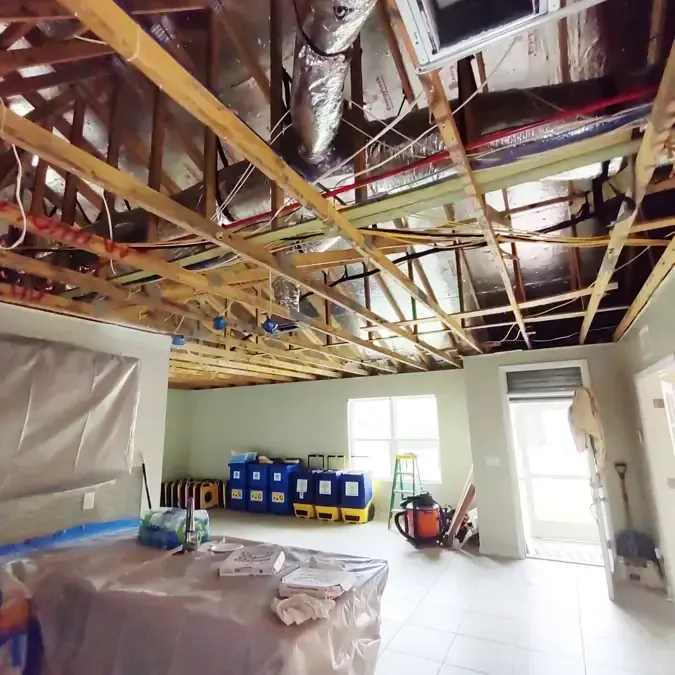
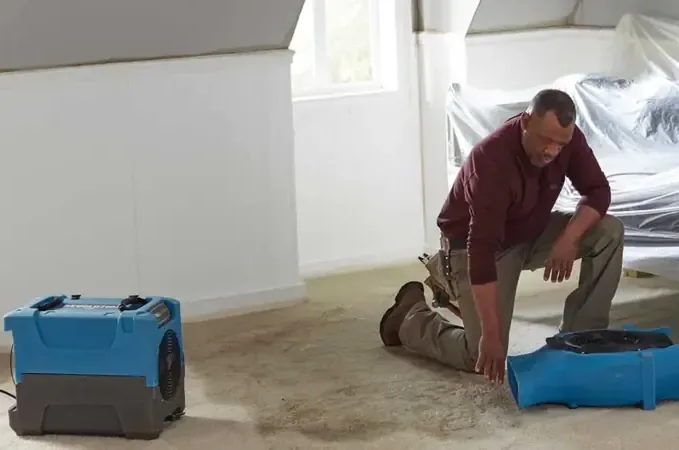
How a water loss is handled
The response centers on source control, the actual wet materials and the measurements needed before rebuilding. The owner receives a clear explanation of the proposed work.
Rapid local response
Dispatch records active water, affected rooms and safe access so the first inspection starts with the right priorities. Availability is 24/7 without an arrival-time promise.
IICRC S500 drying standard
The drying technician maps moisture, checks the water category and sets equipment around the material load. Repeat readings show whether the structure is responding.
Claim-ready documentation
Photos before removal, equipment notes and daily measurements preserve the sequence of the loss. The insurer reviews coverage under the policy.
Local water experts
The inspection distinguishes household leakage from outside entry. Sweetwater Creek, nearby roads and the property location help orient access without replacing an on-site assessment.
What does water damage restoration cost in Lithia Springs, GA?
A contained residential water loss commonly costs $500 to $3,000, while multiroom or contaminated damage can reach $3,000 to $10,000 or more. Water category, material layers, access and drying delay determine the scope.
Small accessible loss
$500 to $1,500
- Limited extraction
- Initial moisture map
- Focused drying equipment
Several wet assemblies
$1,500 to $4,000
- Multiple room checks
- Selective material access
- Repeat drying measurements
Extensive or contaminated loss
$4,000 to $10,000+
- Broader controlled removal
- Contamination precautions
- Longer equipment monitoring
These are planning ranges, not a quote. Plumbing, roofing and reconstruction can add separate costs. The cost calculator compares the main cleanup variables.
Documentation for your insurance claim
The restoration record explains the source observations, affected materials and work performed. Clear records help the owner and insurer review the loss without a promise of coverage.
- Moisture map identifying rooms and material layers
- Timestamped photos before demolition or disposal
- Daily psychrometric logs and material readings
- Water category and affected material class
- Line-item scope separating mitigation from later repairs
Check the policy terms
Sudden accidental leakage, sewer backup and outside flooding can receive different treatment. The policyholder checks coverage, exclusions and deductibles directly with the insurer.
The owner keeps source-repair findings and expense records alongside the drying file. A completed mitigation job does not itself determine what a policy pays.
What to do while the water is still moving
- Control the source The household closes a reachable supply valve only from safe footing. Plumbing or roofing professionals address the failed system.
- Avoid electrical hazards People stay away from wet outlets, appliances and panels. A qualified professional determines whether the affected electrical system is safe.
- Keep clear of overhead damage Sagging ceilings and softened panels need a protected area below. Occupants leave those spaces until the crew evaluates stability.
- Save the starting condition Photographs taken safely show the source, wet boundaries and damaged belongings before extraction or removal changes the scene.
- Keep clean access available Dry belongings move out of the equipment route when safe. Wet materials stay separate so they do not spread moisture or contamination.
Local conditions worth checking
Lithia Springs is an unincorporated community with Sweetwater Creek on its eastern side. The inspection distinguishes creek-related outside entry from household plumbing, roof and appliance failures.
September 2009: Prolonged rainfall caused catastrophic Atlanta-area flooding. NWS records exceptional Sweetwater Creek flooding near Austell and Dog River flooding in Douglas County.
Creek-side settings
Sweetwater Creek and nearby Woodrow Wilson Park form part of the local water setting. Property-level entry and flood exposure still need individual checks.
Homes and apartments
Housing around Woodrow Wilson Park includes homes and apartments. An upper-floor loss calls for checks in the affected room and the assembly below.
Different residential areas
Beechwood Hills, Heritage Square and Chestnut Log provide local coverage context. The crew confirms the actual foundation and floor layers at each property.
Road and room access
Mount Vernon Road, Skyview Drive and Thornton Road help orient the response. Safe building entry matters before pumps or drying machines move inside.
Repair and drying coordination
A corrected pipe or roof opening stops new water. Moisture already inside cabinets, insulation and flooring needs its own removal and drying plan.
All water damage categories covered in Lithia Springs, GA
Category 1: clean supply
A fresh clean-water release may allow suitable materials to dry in place. Time and contact can change the cleanup assessment.
Follow a supply-water lossCategory 2: used water
Wash water or other contaminated discharge needs source-specific decisions about pad, finishes and cleaning before the drying setup begins.
Check appliance water pathsCategory 3: sewage and flooding
Sewage and outdoor floodwater require isolation and removal of affected porous materials. Surface drying does not resolve contamination inside a finish.
Understand sewage removalWater damage help in nearby communities
Water-loss decisions at home
Villa Rica Downtown Shop Water Loss and Stock Protection
Villa Rica shop water losses need stock records, protected access and clear repair authority. See how cleanup planning supports the next business decision.
Union City Townhome Appliance Water Under Cabinets
Union City appliance leaks can leave water beneath cabinets and flooring. Learn what a useful kitchen inspection records before drying and finish repairs.
Sweetwater Flood Entry in Lithia Springs
Lithia Springs flood cleanup starts with safe access, doorway evidence and wet material checks. See how removal, cleaning and drying fit the repair plan.


Water damage questions in Lithia Springs
Explain the water before it spreads
The response team needs the source, wet rooms and any immediate hazards. Those details help shape the initial assessment and safe access plan.
(888) 532-4616Discuss the current water lossWhat should happen first during an active leak?
Safe source control comes first. An occupant may close a reachable water valve from dry footing, while electrical or overhead hazards need professional assessment. The restoration crew then maps the wet footprint and removes standing water.
Does a dry-looking floor mean the damage is over?
Floor coverings can hide moisture in backing, pad or subfloor. The technician checks those layers and adjoining wall bottoms. Drying continues until suitable material readings support the endpoint, even when the visible surface looks normal.
How does sewage cleanup differ?
Sewage is Category 3 water immediately. The crew restricts access, removes affected porous materials and cleans exposed surfaces before ordinary drying. Household fans or mops can spread contamination into rooms that were initially clean.
How long does structural drying take?
A contained loss may dry in several days, while dense materials and restricted cavities can take longer. Source control, access and measured progress determine the schedule. The technician explains changes instead of promising a completion date from a photograph.
Is outside flooding covered by homeowners insurance?
Outside floodwater can require separate flood coverage, and sewer backup may depend on an endorsement. The insurer interprets the policy. The restoration record describes the observed source, affected materials and work performed for the insurer to review.
Can the crew dry a wall without removing it?
Material condition, water category, insulation and access determine whether drying in place is practical. Sound finishes may remain, while saturated or contaminated layers need removal. The crew explains the reason for each opening in the proposed scope.
What does the IICRC S500 standard contribute?
It provides principles for water damage restoration, including assessment, contamination decisions and structural drying. The technician applies a measured plan to the property and documents progress, rather than treating a fixed equipment count as proof of completion.
Which local areas are covered?
Coverage includes ZIP 30122, Beechwood Hills, Heritage Square, Chestnut Log and nearby residential areas. Dispatch confirms the location and access conditions. Town pages describe additional nearby communities when their local service information is available.
Are pipe and roof repairs included in drying?
Source repairs and restoration are separate scopes. A plumber or roofing professional controls the failure, while the restoration crew addresses water already in the building. Clear records help the owner coordinate both tasks and later finish replacement.
Get the water damage assessed before covering it again
The restoration team traces wet materials, explains the cleanup scope and records the drying result for the next stage.
(888) 532-4616Arrange a water-loss assessment