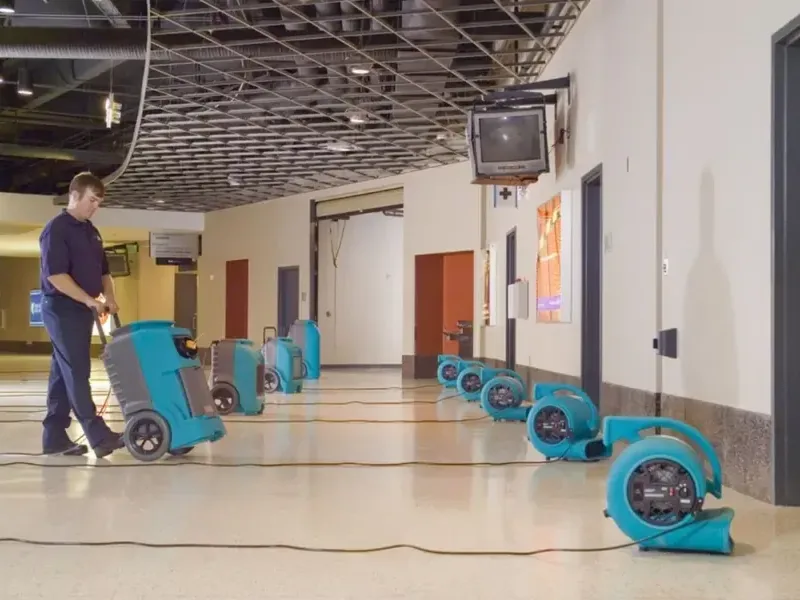
A wet shop has to manage merchandise, staff access and the building at the same time. Downtown Villa Rica contains historic buildings occupied by shops and restaurants, with The MILL Amphitheater also downtown. For an affected business, the most useful response plan identifies the wet rooms, who can authorize work and where stock can be handled without extending the disruption.
Key takeaways
- A business contact should identify occupied areas and authorize access before removal begins.
- Stock photographs need locations and item descriptions to remain useful after movement.
- A dry handling area protects merchandise that escaped the original water.
- Equipment routes should preserve safe passage for authorized staff.
- Building drying, source repair and return of stock each need a documented handoff.
The first business decision concerns access
The manager should describe the affected sales area, storage room or service space before anyone rearranges the shop. Staff may know where water first appeared and which doors became difficult to use.
Those observations help the response team establish a work entrance and identify areas that require assessment before entry.
Water near electrical equipment or unstable finishes can make an ordinary stock retrieval unsafe. Staff should remain outside the affected space until qualified personnel assess those hazards.
A photograph from a dry doorway can preserve the initial condition without sending an employee into water to rescue merchandise.
The commercial water damage inspection connects those access decisions with the building scope. The person authorizing work should be available to discuss openings, equipment placement and contents handling.
A clear contact reduces delays when the inspection reveals another wet assembly or a storage area requiring attention.
- Identify a business representative authorized to approve work.
- Keep employees out of rooms with unresolved electrical or structural hazards.
- Name a dry entrance for inspection and equipment delivery.
Inventory photographs should retain shelf locations
A box photographed after it reaches a temporary store room can be difficult to connect with the original water damage. Initial images should show the shelf, display or floor area where the item was found.
Close views can then record labels, packaging and visible contact without losing the broader location.
Stock lists are more useful when they distinguish untouched goods from items awaiting assessment. The business can identify essential records and high priority merchandise for the handling discussion.
The cleanup team can then plan movement around the actual exposure and suitable storage conditions instead of moving everything into a common pile.
An owner should preserve disposal decisions in the same file as the item photographs. This keeps the reason for removal attached to the merchandise description and original position.
Insurance or accounting conversations can then use a consistent inventory while restoration work continues in the shop.
- Capture an overall view before close photographs of individual goods.
- Label temporary stock groups by their original room or display.
- Keep handling and disposal notes with the matching inventory entries.
Historic interiors need a precise opening plan
Downtown's historic buildings provide the setting for many shops and restaurants. Inside an affected premises, technicians identify the actual wall, floor and ceiling layers before proposing access.
Decorative trim, built in displays and previous repairs should be photographed so the owner understands which components are involved.
Wicks Tavern is a timber framed historic building, while the downtown business area includes its own variety of occupied interiors. For the damaged shop, the inspection records the materials present in that particular space.
Retaining an original finish sample or labeled trim section can help the eventual repair contractor match the surrounding work.
An opening should have a stated purpose such as checking a concealed wet cavity or exposing a layer for drying. Its location and condition should be documented immediately.
This gives the owner an intelligible record of how the work progressed and supports a focused repair scope after mitigation finishes.
Extraction routes should protect unaffected stock
A shop may have a dry back room that can support temporary operations while the front area remains wet. The team can evaluate that possibility once access and material conditions are assessed.
A planned removal route keeps hoses, wet packaging and damaged finishes from passing through the chosen clean holding area.
The water extraction work should follow low floor areas and spaces beneath fixtures where accessible liquid collected. Displays may need controlled movement before the floor below can be inspected.
Each move should preserve the stock inventory and leave enough room to examine the exposed surface.
Temporary business arrangements should be checked against the changing work boundary. A doorway that was clear at the first visit may later be needed for equipment or material removal.
The site contact should receive that information before staff plan another stock retrieval or attempt to reopen a section of the premises.
- Keep the clean stock area outside the wet removal route.
- Document fixtures moved to expose flooring.
- Update staff access arrangements when the work boundary changes.
Utility maintenance and interior repair have separate tasks
The City of Villa Rica Distribution & Collection Division provides routine and emergency maintenance for municipal water distribution and wastewater collection. It also inspects, cleans and repairs water and sewer mains.
A business reporting a relevant utility concern should describe the observed location and behavior of the water clearly.
Inside the premises, the responsible repair professional needs access to the actual failed component or entry point. The manager should maintain a separate note for that source correction and any instructions from the utility.
This gives the mitigation team the information needed to coordinate extraction and monitoring around another trade's work.
If a tenant and building owner are both involved, the work description should identify who authorizes each part of the response. Access to a locked service room, removal of a fixed display and repair of a building component may involve different contacts.
Agreeing those arrangements early helps the next inspection proceed smoothly.
Drying records support practical reopening choices
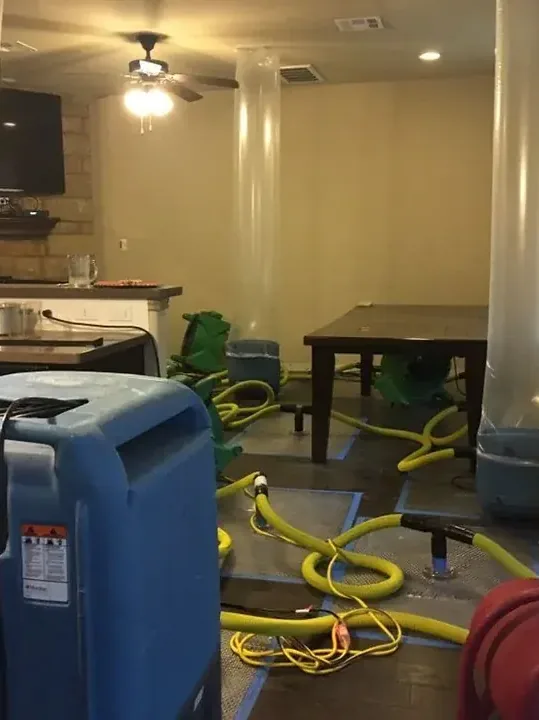
A business needs to know which areas remain under active treatment and which have completed the assigned work. The structural drying record should identify monitored materials and their locations so the site contact can follow progress.
Equipment changes should be explained in relation to those materials.
Return of merchandise should be coordinated with the condition and accessibility of the storage area. Packing shelves too soon can obstruct monitoring or cover a surface awaiting repair.
The response team and business contact can define a usable area that keeps ongoing work visible and preserves access to the remaining equipment.
Reopening arrangements also need to consider unfinished repairs and the movement of staff or customers. The restoration record can describe the completed mitigation work and outstanding building tasks.
The appropriate business and repair professionals can then make their decisions using a clear account of the premises.
- Maintain a room list showing active work and completed areas.
- Keep drying locations accessible until monitoring ends.
- Identify repairs still required before stock or fixtures return.
The closing file should connect stock and building work
The final packet should preserve the inventory, initial photographs, work scope and material records in a usable order. A business owner should be able to connect a removed display panel with the water condition behind it and the relevant repair item.
That organization helps separate merchandise handling from building restoration costs and tasks.
Photographs after equipment removal should show both the usable floor area and remaining openings. A repair contractor can then understand the work before arranging materials or access.
Labeled finish samples and retained hardware should be handed over with their original locations clearly identified.
The site contact should also receive the status of temporary storage, disposal and any source repair appointments. The final conversation can assign each remaining item to a responsible person.
With those details recorded, the business can plan its next steps without losing track of work begun during the initial emergency.
Questions
What makes a stock photograph useful after cleanup?
A shelf or room label connects the image to its original setting. Combining that location with a clear item description preserves the link between the merchandise and the condition observed during discovery.
Can employees retrieve items while equipment is running?
Access should follow the agreed work zone and the team's current safety assessment. A planned retrieval allows staff needs to be handled without crossing exposed materials or disturbing monitoring locations.
Why keep a small piece of removed finish?
A labeled sample can help the repair contractor identify its appearance and assembly. The sample should be suitable for retention and stored with information about where it came from.
Who should receive updates when a wet area expands?
The authorized business contact and any owner responsible for building decisions should receive the revised scope. That update lets them adjust stock handling, staff access and repair appointments together.