Commercial Water Damage in Villa Rica
A business water loss affects more than the floor. Cleanup planning needs the source, damaged stock, occupied routes and the construction behind wet finishes so work areas can be defined clearly.
(888) 532-4616Discuss the affected business areas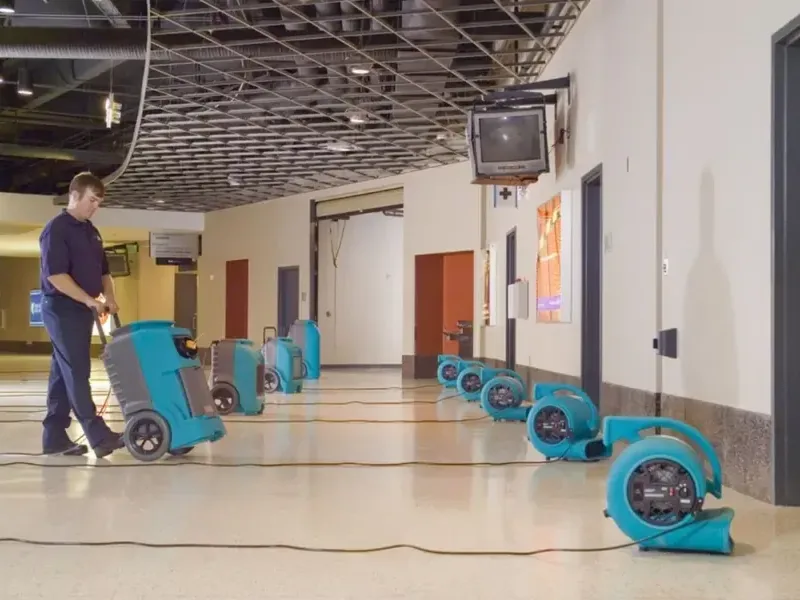
Professional attention for commercial water damage
Rapid local response
The response team treats active water movement as urgent. Dispatch records the source, affected rooms and safe entry conditions so the extraction plan starts with the actual problem.
IICRC S500 drying standard
The drying team measures wet materials against a dry reference, manages evaporation with extraction and dehumidification, and adjusts equipment as readings change through the drying cycle.
Claim-ready documentation
The restoration technician records visible damage before removal, maps concealed moisture and maintains dated progress notes. That record separates emergency mitigation work from subsequent plumbing or building repairs.
Local water experts
The inspection follows the route water took through the property. Floor transitions, wall cavities and concealed layers receive attention even when the visible puddle occupies only a small area.
First steps for commercial water damage
Separate people from damage
Keep customers and staff outside wet rooms and away from unstable finishes. Identify a dry route only if it avoids the affected construction and electrical concerns.
Name the property contact
Identify who can coordinate building access, source repair and authorization of interior work. Clear responsibilities help keep equipment service, cleanup and contents handling from conflicting.
Record affected business contents
Photograph wet stock and equipment from safe positions, then group the inventory by room. Preserve the initial condition before items are relocated or disposal decisions are made.
Describe operating constraints
Mention occupied areas, storage needs and available entrances during the first discussion. The proposed work boundary should reflect the premises while protecting access to the affected materials.
What does commercial water damage cost in Villa Rica, GA?
Commercial water damage cleanup in Villa Rica depends on affected work zones, contents handling, contamination and access to wet assemblies. The estimate should separate mitigation from equipment repair, stock replacement and reconstruction so business responsibilities remain clear throughout recovery.
Contained business area
$2,000 to $4,500
- Defined wet zone
- Accessible material treatment
- Limited contents movement
Multiple work zones
$4,500 to $9,000
- Several affected rooms
- Coordinated access routes
- Expanded drying arrangement
Complex interior loss
$9,000 to $15,000+
- Difficult equipment access
- Broader contamination handling
- Multiple wet assemblies
Water category, wet area, material class and the delay before drying shape the scope. The water damage cost calculator provides an estimate only.
Documentation for your insurance claim
The claim file contains a moisture map, daily psychrometric logs, timestamped pre-demolition photos and a line-item scope. The restoration team records the water category and affected material class. Sudden accidental leaks, outside flooding and sewer backups can receive different treatment under a policy. The policyholder checks coverage and deductibles with the insurer before assuming any payment.
How commercial water damage is handled
The restoration plan follows the source, the wet materials and the measurements taken through each stage.
Assess premises conditions
Inspection connects the release to damaged construction and contents. Occupied routes and responsibility for source correction are established before the work arrangement is finalized.
Organize removal work
Affected materials and contents receive handling decisions suited to their exposure. Extraction routes and work boundaries account for equipment, remaining stock and areas that need restricted access.
Monitor affected construction
Drying equipment is arranged around the retained interior assemblies. Material readings track progress while the setup is adjusted for access constraints and any slower wet surfaces within the premises.
Prepare an operating handoff
The record identifies completed mitigation and outstanding repairs or contents decisions. Reuse of affected rooms follows their actual condition and any remaining restrictions associated with the restoration work.
More about commercial water damage in Villa Rica
Historic buildings in downtown Villa Rica contain shops and restaurants, where a water release can reach merchandise, fitted equipment and customer space at once. The first cleanup decision is how to separate the affected area from usable routes. A plan built around the actual premises can address the wet construction while keeping contents and access responsibilities understandable.
Define the work area around the business
An assessment needs the source location, occupied areas and the water path through the building. A front sales space and a storage room may have different access and contents concerns. The scope should identify whether work can be separated into areas or whether the affected conditions require broader restrictions before extraction and material removal begin.
- Identify dry routes that do not pass beneath damaged ceilings or through water.
- Record installed equipment and stock that block access to wet finishes.
- Clarify the building contact responsible for coordinating source repairs and interior work.
The MILL Amphitheater is in downtown Villa Rica. A business using that landmark to describe its location should also identify its usable entrance and affected room. The interior arrangement determines equipment movement and debris handling. A familiar location is helpful at the first contact, but the assessment still needs the details of access inside the premises.
Make contents decisions alongside material decisions
Wet merchandise and equipment cannot be treated as background to the drying job. Photograph affected stock and maintain an inventory before handling or disposal where safe access allows. Contamination, packaging condition and the nature of the item affect decisions. The restoration scope should distinguish contents handling from work on the floor, walls and other building surfaces.
- Separate accessible dry stock from the wet zone without crossing hazards.
- Preserve records of damaged goods before authorized disposal or specialist assessment.
- Account for fitted cabinetry and equipment that conceal water against the structure.
The Villa Rica Civic Center and Sports Complex is known as The V-Plex. Shared-use buildings illustrate the importance of understanding room activity and access when defining a cleanup boundary. At the affected premises, the plan should identify who needs access, which areas remain restricted and how equipment routes can avoid unnecessary contact with unaffected contents.
Water still affecting the floor?
A business loss needs a plan for stock and access as well as wet finishes. Describe the affected operating areas and available entrances so the scope reflects the actual premises.
(888) 532-4616Assess business access and water damagePlan the handoff before reopening repaired areas
Water removal may quickly change a room's appearance, but retained construction still needs evaluation. Moisture beneath floor coverings or inside wall cavities can delay finish work. Monitoring should identify those materials and document the response to drying. Any temporary operating arrangement needs to respect the active work zone and the condition of the building.
- Keep source correction and business equipment repairs visible as separate responsibilities.
- Record remaining wet assemblies before scheduling replacement flooring or wall finishes.
- State what work remains before affected customer or staff areas return to use.
The sewage cleanup page covers the additional controls needed when a commercial loss involves wastewater. Other releases still need a source-specific assessment. A useful final record connects the completed extraction and drying to the outstanding repairs, contents decisions and access arrangements that the business must resolve before normal use.
Do not route customers through the cleanup area
Wet flooring, equipment cords and damaged overhead surfaces create access concerns during restoration. Keep the work zone separate from customer and staff movement. If a safe route cannot be maintained, the business needs an alternative operating arrangement while the affected area is assessed and the necessary cleanup work proceeds.
Commercial water damage in Villa Rica
Businesses in downtown Villa Rica can describe the affected premises, operating areas and stock at risk. Locations around The MILL Amphitheater or The V-Plex help identify the property during the initial discussion.
The same service nearby: commercial water damage in Lithia Springs, Hiram, Union City.
Related water damage services in Villa Rica
Commercial Water Damage questions
Talk through the wet areas
A business loss needs a plan for stock and access as well as wet finishes. Describe the affected operating areas and available entrances so the scope reflects the actual premises.
(888) 532-4616Assess business access and water damageCan the business stay open during cleanup?
That depends on whether safe occupied routes can be separated from the affected areas. Electrical hazards, overhead damage and contamination may require broader restrictions. The work plan should explain the boundary and any access arrangement before the business resumes activity near the cleanup.
How should wet merchandise be documented?
Photographs and an inventory organized by location help preserve the initial condition. Include packaging and visible exposure before handling when safe access allows. Decisions about cleaning, disposal or return to stock should follow the item's condition and the nature of the water.
Who coordinates a leak in leased premises?
The building contact and business operator should clarify responsibility for access, source repair and interior authorization. The cleanup scope can identify affected construction and contents separately. Clear coordination helps prevent necessary work from being overlooked between equipment service and building repairs.
Can equipment be placed in a customer hallway?
Equipment routes must account for safe passage, cords and the active work boundary. A hallway may need restricted use or an alternative route while drying proceeds. Placement should reach the wet materials without leaving customers to navigate an uncontrolled restoration area.
Is extracting water enough to reopen a room?
The absence of standing water does not describe contamination or moisture within the construction. Retained materials need assessment and drying as appropriate. The handoff should state what has been completed and what conditions still affect safe use of the room.
What if the leak affected a food preparation area?
The source, exposed equipment and affected contents need specific assessment. Keep the area out of routine use while contamination and material handling decisions are made. Building cleanup, equipment attention and decisions about exposed goods should each have a clear place in the recovery plan.
Coordinate the interior recovery with business needs
Defined work areas, documented materials and clear responsibility for remaining repairs help the business plan its next steps after extraction and drying.
(888) 532-4616Discuss the commercial cleanup scope