Sewage Backup Cleanup in Villa Rica
A drain backup changes the room from a wet space into a controlled cleanup area. Restrict contact, identify the continuing source and assess contaminated surfaces before ordinary household activity resumes.
(888) 532-4616Discuss the contaminated room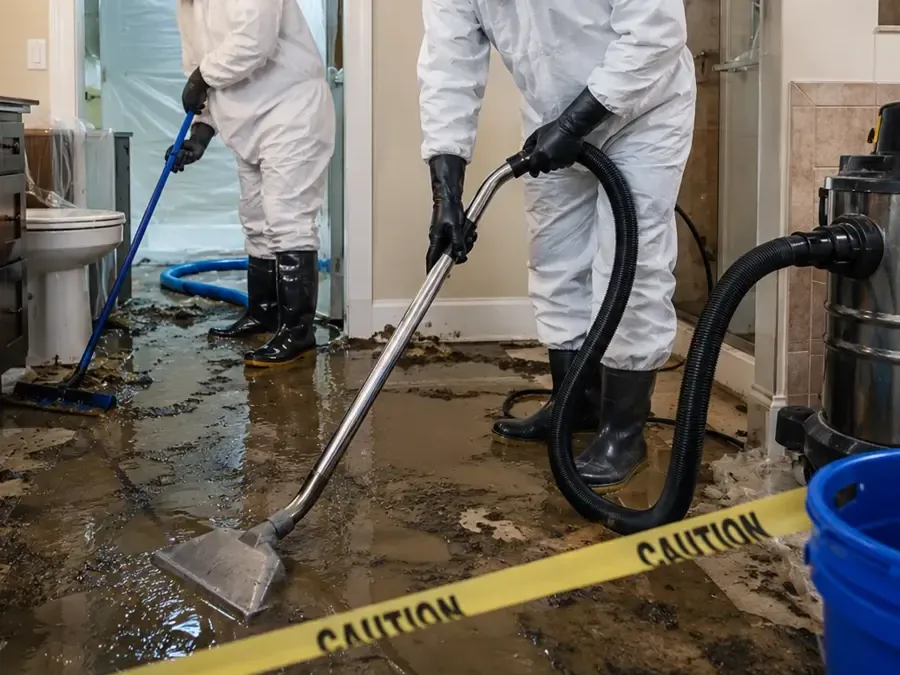
Professional attention for sewage backup cleanup
Rapid local response
The response team treats active water movement as urgent. Dispatch records the source, affected rooms and safe entry conditions so the extraction plan starts with the actual problem.
IICRC S500 drying standard
The drying team measures wet materials against a dry reference, manages evaporation with extraction and dehumidification, and adjusts equipment as readings change through the drying cycle.
Claim-ready documentation
The restoration technician records visible damage before removal, maps concealed moisture and maintains dated progress notes. That record separates emergency mitigation work from subsequent plumbing or building repairs.
Local water experts
The inspection follows the route water took through the property. Floor transitions, wall cavities and concealed layers receive attention even when the visible puddle occupies only a small area.
First steps for sewage backup cleanup
Close off access
Keep occupants outside the contaminated rooms and avoid moving wet rugs through dry hallways. Mark the affected boundary without stepping into the wastewater.
Stop adding wastewater
Avoid operating fixtures connected to the apparent backup while the source is assessed. Describe which drains are affected and whether the level continues rising.
Record from outside
Photograph the affected floor and visible contents from a safe position. Note any spread through doorways so the initial cleanup boundary is clear.
Discuss handling needs
Mention porous floors, stored belongings and shared access routes. These details help organize contaminated removal and cleaning without carrying the problem into unaffected rooms.
What does sewage backup cleanup cost in Villa Rica, GA?
Sewage cleanup costs in Villa Rica reflect contamination spread, porous material damage and the access needed for controlled removal. Clearing a blockage and restoring replacement finishes should be distinguished from the interior cleanup estimate.
Contained hard-surface area
$1,500 to $3,000
- Limited affected footprint
- Accessible surface cleaning
- Controlled water removal
Room with porous damage
$3,000 to $5,500
- Absorbent material removal
- Defined handling route
- Retained surface drying
Multiroom contamination
$5,500 to $8,000+
- Wider exposure assessment
- Expanded containment needs
- Additional disposal work
Water category, wet area, material class and the delay before drying shape the scope. The water damage cost calculator provides an estimate only.
Documentation for your insurance claim
The claim file contains a moisture map, daily psychrometric logs, timestamped pre-demolition photos and a line-item scope. The restoration team records the water category and affected material class. Sudden accidental leaks, outside flooding and sewer backups can receive different treatment under a policy. The policyholder checks coverage and deductibles with the insurer before assuming any payment.
How sewage backup cleanup is handled
The restoration plan follows the source, the wet materials and the measurements taken through each stage.
Establish exposure boundaries
The inspection identifies the water path, affected materials and routes into clean areas. Source correction is coordinated separately from the removal and cleaning of the interior.
Remove contaminated material
Standing wastewater and unsuitable absorbent materials are handled through planned work routes. Containment protects adjoining areas while exposed surfaces become accessible for the next cleaning steps.
Clean retained surfaces
Remaining surfaces receive cleaning suited to their material and exposure. Edges, joints and accessible contact points are included before drying equipment is arranged around the retained structure.
Assess room readiness
The final scope records completed cleaning, moisture conditions and surfaces awaiting repair. Any remaining fixture restrictions or unresolved source concerns need explicit attention before normal occupancy resumes.
More about sewage backup cleanup in Villa Rica
A backed up bathroom in Brookside needs a boundary around the affected area before anyone starts moving rugs or household items. Water from a drain can spread contamination along a walking route as well as across the floor. Keep occupants and pets away, and describe which fixtures are involved when arranging source inspection and interior cleanup.
Separate the sewer problem from the room cleanup
The City of Villa Rica Utilities Department maintains sewer force mains, gravity mains and electrical lift stations that convey wastewater. Inside a building, cleanup concerns the water and contamination left on finishes and contents. The backup location needs assessment so the relevant source work can proceed alongside a plan for the affected interior.
- Identify fixtures showing backup without running additional water as a test.
- Record whether wastewater remains confined or has crossed into adjoining rooms.
- Describe any ongoing inflow before removal equipment or cleaning work is arranged.
A drain that begins flowing again does not complete the restoration. Absorbent flooring, lower walls and items stored at floor level may remain contaminated. The work description should identify what can be cleaned and what requires removal. That decision comes from the material and exposure, rather than from whether an odor is still noticeable.
Keep contaminated handling inside a planned route
Removal routes matter in an Ashbury home where a bathroom opens onto an otherwise dry hallway. Carrying wet materials across that hallway can enlarge the cleanup area. Work planning should establish containment, handling paths and a suitable destination for removed material before the room is opened further or absorbent contents are moved.
- Set aside a controlled route for equipment and contaminated material handling.
- Assess carpets, padding and other porous items according to their exposure.
- Keep clean belongings outside the work zone until their handling is arranged.
Surface cleaning follows removal of sewage and unsuitable material. Compatible treatment methods depend on the surfaces remaining, and accessible edges need attention where water collected. Household scent products cannot show that contamination has been addressed. The completion record should describe the actual removal, cleaning and drying work instead of relying on the room smelling better.
Water still affecting the floor?
A backup requires decisions about exposure as well as water removal. Describe the affected fixture, floor covering and route into adjoining rooms when discussing the interior cleanup.
(888) 532-4616Assess sewage exposure and accessReopen the space after the full sequence
Gold Dust Park includes a gym and senior center, illustrating why room use matters when defining cleanup boundaries in shared buildings. At any affected property, the plan needs to account for the people who normally use adjoining areas. Keep the work zone separated while contaminated material handling and cleaning remain underway.
- Document areas cleaned after contaminated water and unsuitable materials are removed.
- Check moisture in retained surfaces before replacement finishes conceal them again.
- Clarify outstanding source repairs and any restrictions on using affected fixtures.
Drying follows cleaning decisions, with equipment positioned for the retained structure. The water removal page describes extraction more broadly, but sewage requires additional contamination controls. A useful handoff explains which surfaces remain, which finishes need replacement and whether further plumbing or utility attention is still necessary before normal use.
Avoid spreading the backup during household cleanup
Do not walk through wastewater to retrieve belongings or direct ordinary fans across the affected floor. Keep children and pets away. If sewage is near electrical equipment, maintain a dry boundary and arrange safe access before anyone enters. The initial call can describe conditions from outside the contaminated room.
Sewage backup cleanup in Villa Rica
Villa Rica backup assessments can cover affected interiors in Brookside, Ashbury and other local neighborhoods. Provide the fixture involved, rooms reached and whether wastewater continues entering before discussing cleanup access.
The same service nearby: sewage backup cleanup in Lithia Springs, Hiram, Union City.
Related water damage services in Villa Rica
Sewage Backup Cleanup questions
Talk through the wet areas
A backup requires decisions about exposure as well as water removal. Describe the affected fixture, floor covering and route into adjoining rooms when discussing the interior cleanup.
(888) 532-4616Assess sewage exposure and accessCan a homeowner just disinfect the visible floor?
Visible wiping can miss contaminated layers beneath coverings or behind baseboards. The assessment needs to establish what the wastewater reached and which materials can remain. Cleaning follows appropriate removal, with retained surfaces and hidden contact points included in the work.
Does a cleared drain mean the cleanup is finished?
Clearing the drain addresses flow through the plumbing. It does not remove contaminated water absorbed by flooring, wall bases or contents. Interior cleanup and drying remain separate tasks, with their own material decisions and documentation before the room returns to use.
Should rugs be carried outside immediately?
Dragging contaminated rugs through dry rooms can spread wastewater to additional surfaces. Leave difficult wet items within the restricted area until handling is planned. Photographs can preserve their initial condition without creating a new contaminated path through the property.
Can ordinary fans be used during a backup?
Fans directed across untreated contamination can spread material beyond the wet footprint. Air movement should be part of a controlled plan after the required removal and cleaning decisions. Keep household fans out of the room while the exposure is being assessed.
Who addresses a problem in the municipal sewer?
The city maintains municipal sewer mains and lift stations. The actual backup location must be investigated so the appropriate source work can be arranged. The indoor restoration scope remains focused on the affected surfaces, materials and contents at the property.
What determines whether a wall section stays?
Exposure, material porosity, condition and cleaning access all matter. A painted face may conceal contamination at the lower edge or inside a cavity. Removal decisions should explain which parts cannot be suitably cleaned and how retained construction will be dried.
Keep the cleanup boundary clear
The right room description helps plan material handling, cleaning and drying while source repairs address the cause of the backup.
(888) 532-4616Discuss controlled interior cleanup