Sewage Backup Cleanup for Hiram Homes
A toilet overflow or backed up drain can contaminate surfaces beyond the visible mess. Hiram sewage cleanup begins by separating the affected area and identifying the drainage problem.
(888) 532-4616Discuss contaminated room access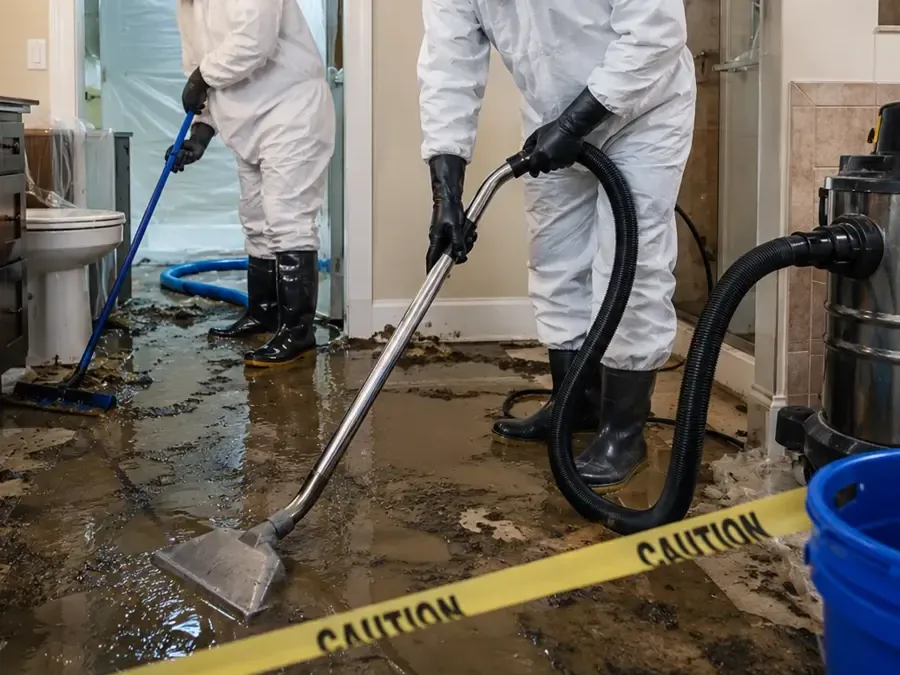
Professional attention for sewage backup cleanup
Rapid local response
The response team treats active water movement as urgent. Dispatch records the source, affected rooms and safe entry conditions so the extraction plan starts with the actual problem.
IICRC S500 drying standard
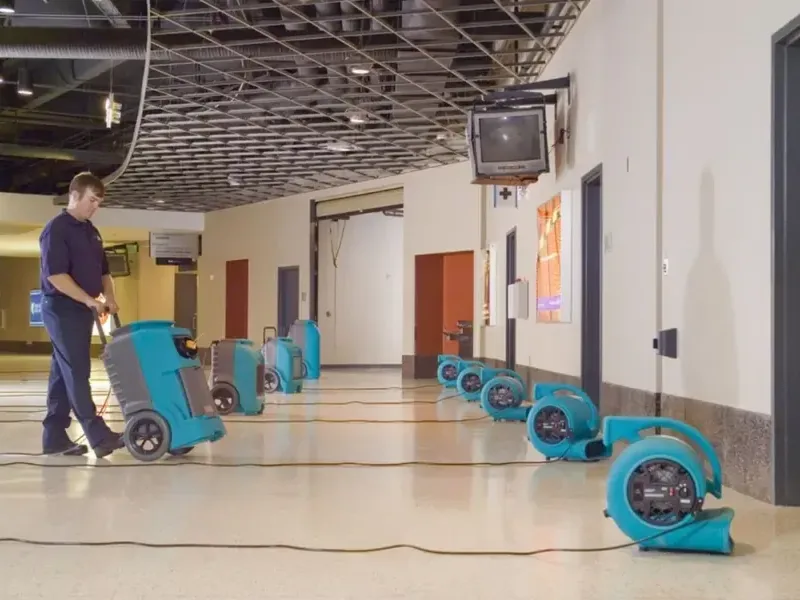
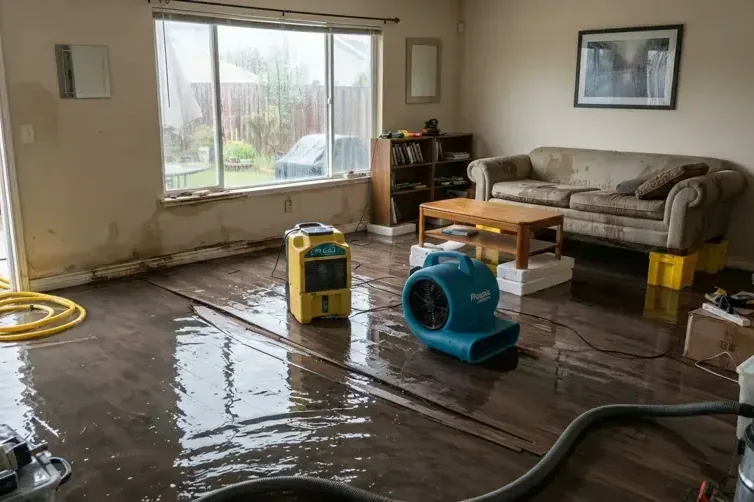
The drying team measures wet materials against a dry reference, manages evaporation with extraction and dehumidification, and adjusts equipment as readings change through the drying cycle.
Claim-ready documentation
The restoration technician records visible damage before removal, maps concealed moisture and maintains dated progress notes. That record separates emergency mitigation work from subsequent plumbing or building repairs.
Local water experts
The inspection follows the route water took through the property. Floor transitions, wall cavities and concealed layers receive attention even when the visible puddle occupies only a small area.
First steps for sewage backup cleanup
Stop connected fixture use
Avoid flushing toilets or running appliances that could discharge into the backed up drain. Notify other occupants before they unknowingly add more wastewater.
Separate the affected room
Keep doors and walking routes controlled so shoes and pets do not carry contamination elsewhere. Leave splashed contents in place for assessment.
Record conditions safely
Take photographs from outside the contaminated area when possible. Note which fixture first overflowed and whether the discharge changed with other water use.
Arrange drainage evaluation
Describe the property connection and any shared access requirements. Cleanup and drain correction need coordination so restored surfaces are not exposed to another backup.
What does sewage backup cleanup cost in Hiram, GA?
Hiram sewage cleanup scopes range from $1,500 to $8,000+. Contamination spread, porous material removal and access drive the estimate. Drain repair and rebuilding should have separate descriptions so the cleanup charges remain understandable.
Contained hard-surface area
$1,500 to $3,000
- Limited contaminated footprint
- Accessible washable finishes
- Controlled waste removal
Room with porous damage
$3,000 to $5,500
- Absorbent materials removed
- Concealed contact assessed
- Retained surfaces cleaned
Multiroom contamination
$5,500 to $8,000+
- Broader handling route
- Multiple material decisions
- Expanded cleaning scope
Water category, wet area, material class and the delay before drying shape the scope. The water damage cost calculator provides an estimate only.
Documentation for your insurance claim
The claim file contains a moisture map, daily psychrometric logs, timestamped pre-demolition photos and a line-item scope. The restoration team records the water category and affected material class. Sudden accidental leaks, outside flooding and sewer backups can receive different treatment under a policy. The policyholder checks coverage and deductibles with the insurer before assuming any payment.
How sewage backup cleanup is handled
The restoration plan follows the source, the wet materials and the measurements taken through each stage.
Define the contamination boundary
The inspection separates affected rooms, contents and travel routes. Drainage conditions and the risk of another discharge are reviewed before cleanup access is arranged.
Remove waste and losses
Wastewater and unsalvageable porous materials receive controlled handling. The removal plan accounts for concealed contamination and the route through which debris leaves the building.
Clean retained surfaces
Suitable surfaces are cleaned with attention to joints, edges and accessible cavities. Material condition determines what can remain for the subsequent drying phase.
Document the restoration handoff
Moisture conditions, removed finishes and outstanding drainage work are recorded. The homeowner receives a clear distinction between completed cleanup and the repairs still required.
More about sewage backup cleanup in Hiram
A sewage backup changes how the entire room must be handled. The problem includes tracked contamination, absorbent contents and water beneath fixtures, not simply the material visible around a drain. Cleanup in Hiram starts with controlled entry and a plan for removing waste without carrying it through the occupied part of the home.
Identify the connection and stop further discharge
Paulding County Water provides sewer service where available. The property's actual connection needs to be identified before the backup is traced. A drainage professional can investigate the obstruction or failure while the restoration scope addresses contamination already indoors. Continued use of connected fixtures may add water to the same affected space.
Darbys Crossing includes townhouses. If a backup occurs in attached housing, coordination may involve access to another unit or a shared drainage component. The affected property's connection and maintenance responsibilities determine that discussion. No cleanup plan should depend on an assumed pipe route or an unverified responsibility for the obstruction.
- Record which fixtures overflowed and which remained usable before work begins.
- Keep occupants away from contaminated flooring and splashed wall surfaces.
- Explain whether discharge continues when another connected fixture is used.
Separate washable surfaces from absorbent losses
Hard, accessible surfaces can often be cleaned after waste removal, while sewage exposed padding, insulation and other porous materials may need disposal. The assessment records both the visible contamination and concealed contact. A cabinet toe kick or wall cavity can hold material that an ordinary floor wash cannot reach.
Single-family housing in Highland Falls gives a different access setting from the townhouses at Seaboard Township. In either layout, the route used to remove contaminated materials should avoid clean bedrooms and stored belongings. Protective barriers and controlled handling keep the cleanup area distinct while decisions about retained finishes are made.
- Identify belongings touched by sewage before mixing them with dry contents.
- Inspect joints and cavities that can retain waste beneath a finish.
- Document removed materials and their condition for the repair scope.
Water still affecting the floor?
Describe the overflowing fixture and the rooms that need to remain isolated. A controlled access plan helps separate drainage correction from the contaminated material cleanup.
(888) 532-4616Arrange sewage damage assessmentDry after cleaning, with clear handoff notes
Drying equipment is placed after the contamination work and material decisions establish a suitable area. Blowing air across untreated sewage can spread contamination. The next phase evaluates retained framing, subfloor and other accessible structure. Moisture readings then help determine whether those materials are ready for reinstatement of removed finishes.
The water damage services for Hiram connect sewage cleanup with the broader restoration work. A written handoff should distinguish drainage correction, waste removal, cleaning, drying and reconstruction. That separation gives the homeowner a practical record of what was completed and what still requires a qualified trade.
Avoid household cleanup experiments
Children and pets should remain outside the affected space. Occupants should not mix cleaning products, operate fans over sewage or carry contaminated laundry through the home. A strong smell is not a useful measure of cleanliness. Entry and handling should follow the cleanup professional's instructions for the affected materials.
Sewage backup cleanup in Hiram
Hiram sewage cleanup requests include Darbys Crossing and neighborhoods reached through US Highway 278. Report the affected fixture, ongoing discharge and any restrictions on entering or using the property.
The same service nearby: sewage backup cleanup in Lithia Springs, Acworth, Villa Rica.
Related water damage services in Hiram
Sewage Backup Cleanup questions
Talk through the wet areas
Describe the overflowing fixture and the rooms that need to remain isolated. A controlled access plan helps separate drainage correction from the contaminated material cleanup.
(888) 532-4616Arrange sewage damage assessmentIs sewage cleanup the same as drain clearing?
No. Drain clearing addresses the cause of the backup, while cleanup addresses the contamination left indoors. Both may be required. The written scope should distinguish pipe work from material removal, surface cleaning and drying.
Can occupants walk through the affected room?
Access should be restricted until the cleanup professional establishes safe handling conditions. Shoes can carry contamination onto clean floors, and hidden splashes can affect nearby objects. Use an unaffected route through the home whenever possible.
Should a household fan run near the spill?
Fans should not blow across untreated sewage. Air movement can distribute contamination before removal and cleaning are complete. Drying equipment belongs in a controlled restoration sequence after affected materials have been evaluated and the area prepared.
Will every wet belonging need disposal?
Decisions depend on the material, its exposure and whether effective cleaning is possible. Absorbent items differ from accessible hard surfaces. Keep affected belongings separate and photograph them before authorized disposal or specialized cleaning takes place.
Who should identify the sewer connection?
The property owner, drainage professional and relevant utility can help establish the connection and access responsibilities. Paulding County Water offers sewer service where available, so the actual property arrangement must be identified before tracing the backup.
Why are hidden wall edges part of cleanup?
Wastewater can enter gaps at wall bases and beneath cabinets. Cleaning only the exposed floor can leave contaminated material behind. Inspection of accessible edges determines whether opening or removal is necessary before retained structure is dried.
Restore a usable room through controlled cleanup
The next decision concerns the affected surfaces, their cleanability and the route for safe removal from the building.
(888) 532-4616Discuss the cleanup boundary