Sewage Backup Cleanup in Acworth
Wastewater inside a room changes how people, belongings and equipment can move. Keep the affected area separate while the drain problem and contaminated materials receive coordinated attention.
(888) 532-4616Arrange a wastewater damage assessment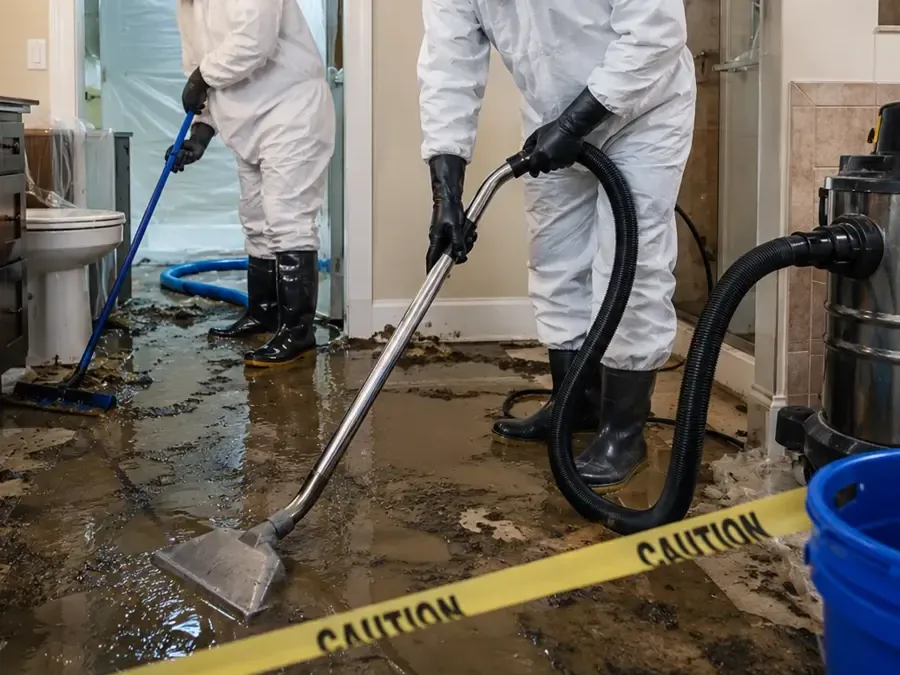
Professional attention for sewage backup cleanup
Rapid local response
The response team treats active water movement as urgent. Dispatch records the source, affected rooms and safe entry conditions so the extraction plan starts with the actual problem.
IICRC S500 drying standard
The drying team measures wet materials against a dry reference, manages evaporation with extraction and dehumidification, and adjusts equipment as readings change through the drying cycle.
Claim-ready documentation
The restoration technician records visible damage before removal, maps concealed moisture and maintains dated progress notes. That record separates emergency mitigation work from subsequent plumbing or building repairs.
Local water experts
The inspection follows the route water took through the property. Floor transitions, wall cavities and concealed layers receive attention even when the visible puddle occupies only a small area.
First steps for sewage backup cleanup
Separate the affected room
Close access where practical without touching contaminated surfaces. Keep occupants and animals out, and avoid walking through wastewater to retrieve household items or cleaning supplies.
Pause connected fixture use
Do not keep flushing or running appliances into a drain that is backing up. Additional discharge can enlarge the affected floor area before repair begins.
Report the sewer symptoms
Tell the utility about the backup and any visible street overflow. Describe only safely observed conditions while an indoor cleanup assessment addresses damaged materials.
Preserve a safe record
Photograph the exposed area from a dry location. List affected contents without sorting through them, and leave disposal decisions for the documented cleanup scope.
What does sewage backup cleanup cost in Acworth, GA?
Acworth sewage cleanup costs depend on contaminated surface area, porous material loss and safe disposal access. The estimate should explain cleaning, removal and drying separately, with drain repair identified as its own source correction task.
Contained hard-surface area
$1,500 to $3,000
- Limited contaminated footprint
- Accessible cleaning surfaces
- Controlled liquid removal
Room with porous damage
$3,000 to $5,500
- Absorbent material disposal
- Exposed edge cleaning
- Additional handling controls
Multiroom contamination
$5,500 to $8,000+
- Expanded restricted area
- Multiple removal routes
- Broader drying requirements
Water category, wet area, material class and the delay before drying shape the scope. The water damage cost calculator provides an estimate only.
Documentation for your insurance claim
The claim file contains a moisture map, daily psychrometric logs, timestamped pre-demolition photos and a line-item scope. The restoration team records the water category and affected material class. Sudden accidental leaks, outside flooding and sewer backups can receive different treatment under a policy. The policyholder checks coverage and deductibles with the insurer before assuming any payment.
How sewage backup cleanup is handled
The restoration plan follows the source, the wet materials and the measurements taken through each stage.
Define exposure boundaries
The inspection identifies wastewater travel, affected contents and access constraints. Dry spaces receive protection while the source correction task is coordinated with the appropriate party.
Remove liquid and losses
Controlled extraction and removal address exposed materials according to contamination and recoverability. The handling plan limits movement of wet waste through occupied sections of the property.
Treat accessible surfaces
Cleaning follows material removal so exposed structural faces and edges can be reached. Any remaining inaccessible pocket is identified before the room is treated as ready for drying.
Measure and document recovery
Suitable remaining materials receive drying attention and recorded measurements. The completion discussion distinguishes treated areas, source repairs and any finish reconstruction still awaiting separate work.
More about sewage backup cleanup in Acworth
A backing fixture can contaminate more than the floor immediately around it. Foot traffic, moved belongings and attempts to mop adjoining rooms can extend the affected area. Acworth sewage recovery therefore starts by establishing a boundary, identifying occupied spaces that need protection and arranging correction of the source before ordinary household activity resumes nearby.
Report the backup and separate the cleanup task
Cobb County Water System directs sewer backups in homes or streets to emergency dispatch. Reporting describes the system problem; an indoor restoration assessment documents exposure within the building. Provide the fixture locations and any visible outdoor overflow without entering wastewater. A drain contractor and the cleanup scope may need different information to resolve their respective parts of the loss.
- Stop using fixtures that feed a backing drain until the problem is assessed.
- Keep children and pets away from contaminated floors and affected belongings.
- Describe any shared hallway that could complicate removal of wet materials.
August 2024: Officials linked a sewage spill near Lake Acworth to grease clogging a sewer near a creek feeding the lake. Access to the Beach at Cauble Park was restricted during that event. The incident illustrates why wastewater deserves controlled access and a response based on the location and extent of the release.
Decide what can be cleaned and what must leave
A hard surface and an absorbent floor covering require different treatment after sewage exposure. Porous materials can hold contaminated liquid beyond the reachable face. Inspection should identify affected backing, wall edges and stored items, then explain removal choices before they are carried through the property. Photographs can preserve the condition of items requiring disposal.
- Document contaminated contents where they were found before handling changes the scene.
- Use a removal route that keeps waste away from unaffected living areas.
- Check hidden edges where wastewater can remain after visible liquid is gone.
For a building reached from Main Street, the available entry and room layout shape containment and disposal access. A narrow doorway or occupied adjacent room may require a different handling sequence. The work plan should make that sequence clear so occupants understand which spaces remain restricted and when the boundary can be reassessed.
Water still affecting the floor?
Wastewater needs a controlled work area and a separate plan for its source. Describe the affected fixtures, exposed floor coverings and any shared entry when requesting cleanup assessment.
(888) 532-4616Discuss contaminated room recoveryClean the exposed area before treating it as a drying job
Extraction alone leaves the contamination problem unfinished. After appropriate material removal, accessible surfaces need cleaning and treatment suited to the exposure. Remaining structural materials then need moisture assessment. Structural drying follows the condition of those materials rather than simply placing fans beside a visibly dirty floor.
- Separate drain correction from interior cleaning in the written work description.
- Identify any cavities that remain inaccessible after initial material removal.
- Record the treated area and the subsequent drying tasks for repair planning.
Keep household fans out of sewage areas
Do not direct ordinary fans across wastewater or use a household vacuum to collect it. Avoid mixing cleaning chemicals or carrying saturated rugs through occupied rooms. Restrict entry while qualified personnel establish contamination controls and a safe handling method.
Sewage backup cleanup in Acworth
Describe the affected building and any shared access before cleanup is planned. The assessment needs the location of backing fixtures, occupied rooms and a route that avoids spreading wastewater through dry spaces.
The same service nearby: sewage backup cleanup in Lithia Springs, Hiram, Villa Rica.
Related water damage services in Acworth
Sewage Backup Cleanup questions
Talk through the wet areas
Wastewater needs a controlled work area and a separate plan for its source. Describe the affected fixtures, exposed floor coverings and any shared entry when requesting cleanup assessment.
(888) 532-4616Discuss contaminated room recoveryWho should receive a sewer backup report?
Cobb County Water System directs reports to emergency dispatch. Describe backing fixtures and any safely visible outdoor overflow. Reporting the sewer issue and arranging interior cleanup address different needs, so both should be considered when wastewater has entered rooms.
Can a toilet be flushed to test the blockage?
Repeated flushing can add water to an already restricted drain. Stop using affected fixtures until the problem is evaluated. A qualified drain assessment should determine the source rather than relying on additional discharge into the damaged area.
Can household disinfectant save sewage-soaked carpet?
Surface treatment cannot reach all contamination within absorbent carpet and backing. Material removal decisions should follow an assessment of exposure and recoverability. Keep the carpet isolated rather than attempting repeated household cleaning while it remains in place.
Does the historical lake spill identify this backup's cause?
Each backup needs its own source investigation. Grease was reported in the August 2024 incident, but a present drain problem may require different correction. The current property assessment should document the actual blockage or failure identified during repair.
Should affected belongings be discarded immediately?
Keep people away from contaminated items and photograph them from a safe position. The cleanup plan should identify handling and disposal needs. Where a claim is involved, retain a useful item record without exposing occupants to the materials.
When can the room be used again?
Access should follow the completed contamination treatment and the condition of remaining materials. Drying, source repair and finish work may still be outstanding. A documented handoff should explain those limits before ordinary activity returns to the affected space.
Keep the backup from spreading indoors
Clear boundaries, careful removal and documented cleaning establish the next steps for drying and repair of the affected property.
(888) 532-4616Plan safe wastewater removal