Storm and Flood Cleanup in Lithia Springs, GA
The flood cleanup team checks safe entry, removes water and debris, and separates contaminated finishes from materials suitable for drying. The work starts only after conditions allow a safe inspection.
(888) 532-4616Arrange indoor flood cleanup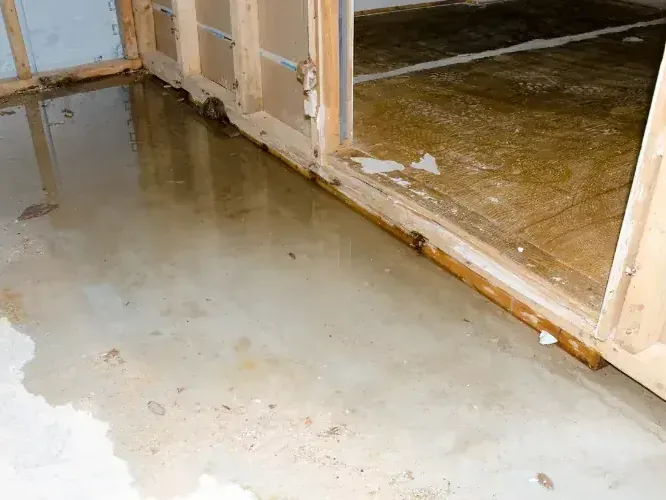
Professional attention for storm and flood cleanup
Rapid local response
The response team treats active water movement as urgent. Dispatch records the source, affected rooms and safe entry conditions so the extraction plan starts with the actual problem.
IICRC S500 drying standard
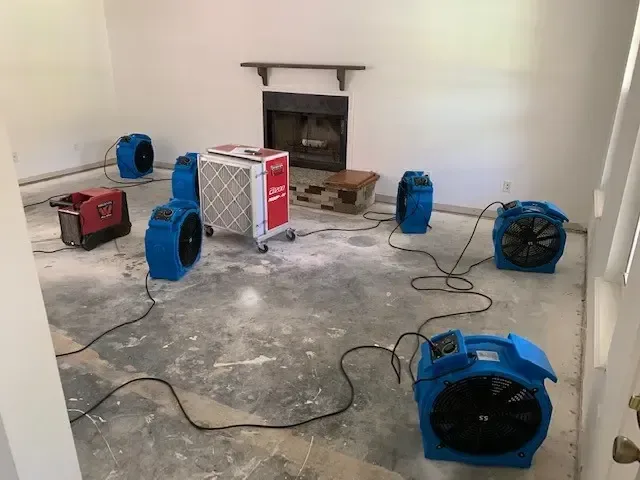
The drying team measures wet materials against a dry reference, manages evaporation with extraction and dehumidification, and adjusts equipment as readings change through the drying cycle.
Claim-ready documentation
The restoration technician records visible damage before removal, maps concealed moisture and maintains dated progress notes. That record separates emergency mitigation work from subsequent plumbing or building repairs.
Local water experts
The inspection follows the route water took through the property. Floor transitions, wall cavities and concealed layers receive attention even when the visible puddle occupies only a small area.
First steps for storm and flood cleanup
Wait for safe access
Occupants follow emergency directions and avoid entering through standing or moving water. A safe route and stable building conditions come before retrieving belongings.
Keep utilities under control
Qualified professionals assess wet electrical equipment and other utility hazards. The owner does not energize appliances or extension cords in the flooded area.
Document the entry route
Photos from a safe position show thresholds, debris and the original water marks. Those details help distinguish outdoor flooding from a separate interior leak.
Separate clean belongings
The household keeps dry items away from the work zone. The cleanup crew plans protected movement of wet contents and disposal of unsuitable porous materials.
What does storm and flood cleanup cost in Lithia Springs, GA?
Storm and flood cleanup in Lithia Springs often costs $2,000 to $12,000 or more. Water depth, contaminated finishes, debris, access and the size of the wet structure determine the work rather than rainfall totals alone.
Limited interior entry
$2,000 to $4,000
- Accessible water removal
- Small removal boundary
- Initial cleaning
Several affected rooms
$4,000 to $8,000
- Porous material disposal
- Protected work zones
- Structural drying
Extensive indoor flooding
$8,000 to $12,000+
- Broader debris removal
- Complex access
- Longer monitored drying
Water category, wet area, material class and the delay before drying shape the scope. The Lithia Springs water damage cost calculator provides an estimate only.
Documentation for your insurance claim
The claim file contains a moisture map, daily psychrometric logs, timestamped pre-demolition photos and a line-item scope. The restoration team records the water category and affected material class. Sudden accidental leaks, outside flooding and sewer backups can receive different treatment under a policy. The policyholder checks coverage and deductibles with the insurer before assuming any payment.
How storm and flood cleanup is handled
The restoration plan follows the source, the wet materials and the measurements taken through each stage.
Assess entry and hazards
The restoration technician records the water route and checks access with the owner, identifying utility or structural conditions that require resolution before cleanup.
Extract and separate
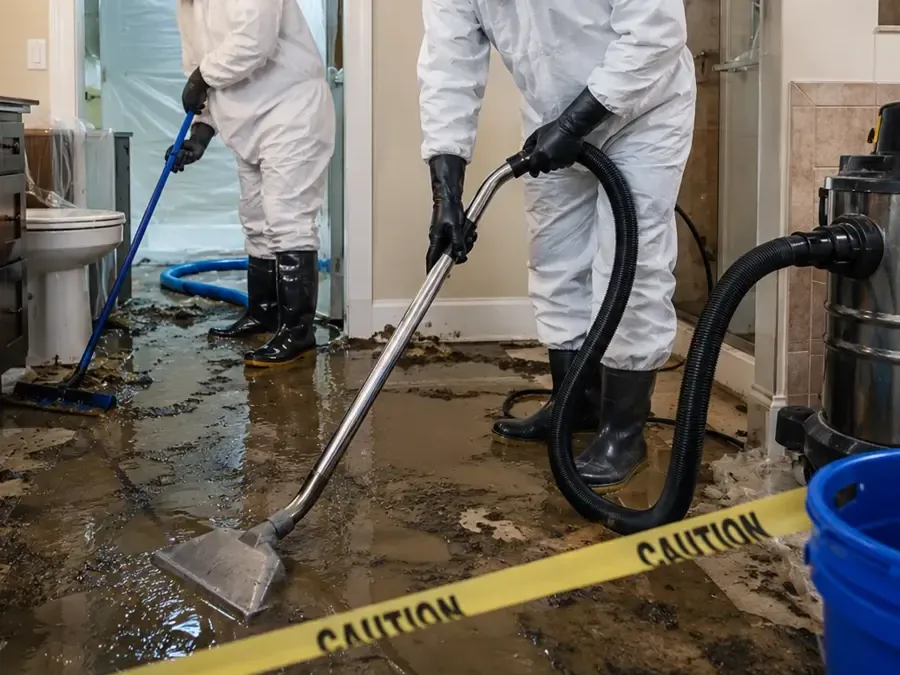
The flood crew removes standing water and loose debris, then sorts wet contents and opens affected porous finishes according to the contamination assessment.
Clean the exposed structure
The team cleans accessible hard materials and follows product labels where treatment is appropriate, keeping dirty disposal routes separate from clean occupied rooms.
Dry and document
The drying technician monitors framing and floor assemblies, adjusts equipment to the measured response and records the evidence needed for reconstruction and insurance review.
More about storm and flood cleanup in Lithia Springs
Outdoor water can carry soil, debris and contamination through a doorway or low opening. The cleanup plan needs more than a pump. The team checks electrical safety, structural condition and the possibility of continuing inflow before entering the wet area. The owner follows emergency instructions and avoids driving or walking through floodwater to reach the property.
Use local flood history to prepare, then inspect the property
September 2009: prolonged rainfall caused catastrophic flooding across the Atlanta area. The National Weather Service records exceptional flooding on Sweetwater Creek near Austell and Dog River in Douglas County. Woodrow Wilson Park also flooded during that event. These local features make water-entry planning relevant, while the specific building still needs its own source assessment.
- Identify whether water crossed a threshold, entered a lower opening or backed through a drain.
- Photograph mud lines and deposited debris before removal.
- Keep outside runoff separate from an interior supply-pipe failure in the loss record.
Properties near Mount Vernon Road need access decisions based on current conditions. A road that looks passable may conceal hazards. The response team confirms entry arrangements and keeps equipment out of areas that remain unsafe. Sewage cleanup may be relevant when wastewater is part of the intrusion.
Remove contaminated finishes before ordinary drying
The crew evaluates carpet, pad, insulation and wall materials touched by outdoor floodwater. Porous finishes can hold contamination through their thickness, making surface cleaning insufficient. Controlled removal opens the structure for cleaning and later drying. Disposal routes stay protected so debris does not travel through clean living space.
- Extract standing water with equipment appropriate to the depth and debris.
- Separate salvageable contents from saturated porous items.
- Clean exposed surfaces before applying any labeled treatment product.
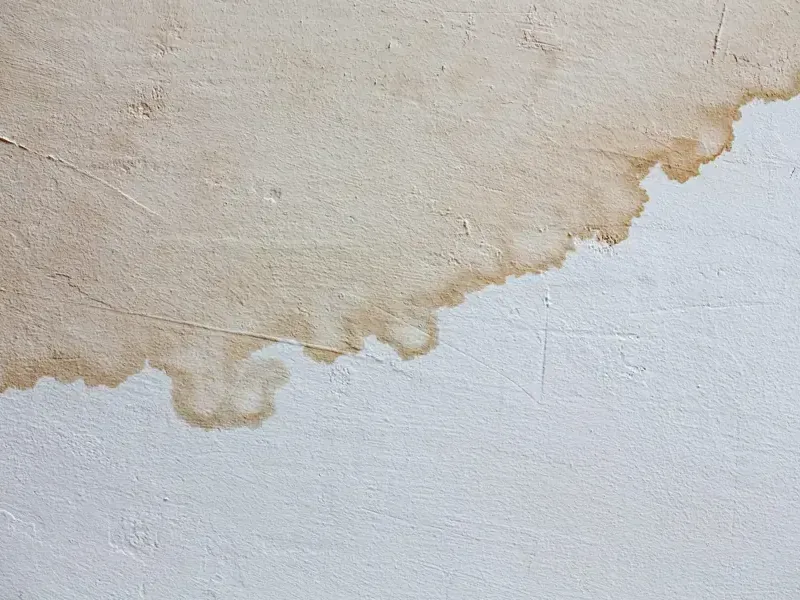
Floodwater beneath cabinets or behind wall coverings can remain after the room appears empty. The technician checks those pockets and records the removal boundary. Air movers follow the cleanup and containment plan; simply pointing fans at dirty water can spread contamination.
Water still affecting the floor?
Outdoor water leaves debris and moisture in concealed places. The flood cleanup team evaluates the entry route and removal scope before starting the structural dry-out.
(888) 532-4616Discuss the indoor flood damageMonitor the structure after the water recedes
Wet framing and subfloor can continue releasing moisture after outdoor water has gone. The drying team controls humidity and measures the same material locations over time. Dense assemblies and inaccessible cavities may require different equipment or additional access. The owner reviews the drying record before authorizing replacement of removed finishes.
- Retain the initial photographs and any official notice affecting access.
- Keep flood-related costs separate from pre-existing damage and unrelated repairs.
- Ask the insurer which policy applies to outside flooding.
Ordinary homeowners coverage and flood coverage can differ. The restoration file describes the observed entry route and work performed, while the insurer determines coverage. The cost calculator helps compare planning assumptions for area and contamination; the insurer determines claim eligibility.
Reentry is a safety decision
The household waits for safe access and keeps away from wet electrical systems, unstable surfaces and moving water. The cleanup crew evaluates hazards before extraction. Gas, electrical or structural concerns require the appropriate professional or emergency authority before restoration work proceeds inside the affected building.
Storm and flood cleanup in Lithia Springs
Service coverage includes ZIP 30122, Beechwood Hills, Chestnut Log, Heritage Square, Park Forest and homes along Mount Vernon Road. Dispatch uses the property location and access conditions to plan the response.
Water damage response is available 24/7.
Related water damage services in Lithia Springs
Storm and Flood Cleanup questions
Talk through the wet areas
Outdoor water leaves debris and moisture in concealed places. The flood cleanup team evaluates the entry route and removal scope before starting the structural dry-out.
(888) 532-4616Discuss the indoor flood damageIs clear outdoor water considered clean supply water?
No. Outdoor water can carry contamination even when it looks clear. The cleanup crew evaluates its source and contact with the building, then determines which porous materials require removal before the remaining structure can dry safely.
Does local creek history identify a home's flood zone?
A named creek or past regional event does not assign a parcel flood zone. The owner checks the property through the official flood map service. The cleanup inspection focuses on the actual entry route and damage found inside.
Can fans run before the mud is removed?
The team controls contamination and removes debris before ordinary drying airflow begins. Uncontrolled fans can move particles into clean rooms. Equipment placement follows the containment and cleaning plan rather than the wish to make surfaces look dry quickly.
Why does the lower wall need opening?
Water can enter the cavity and saturate insulation or wall backing. The technician checks the assembly and removal boundary. Opening affected porous materials allows proper cleaning and measurement of the structure behind the visible finish.
Will the same insurance cover rain and floodwater?
Coverage depends on how water entered and the policy terms. Outside flooding can require a separate flood policy, while roof entry and drain backup may have different provisions. The insurer reviews the cause and determines applicable coverage.
When can replacement flooring be installed?
The exposed structure must meet its drying goal, and the flooring installer checks any required substrate conditions. A dry-looking surface is insufficient. The restoration record should identify measurement locations and any areas that remain inaccessible or need further work.
Plan the cleanup after safe reentry
The restoration crew removes contaminated water and wet finishes, then measures the exposed structure through drying.
(888) 532-4616Get the flood loss assessed