Commercial Water Damage Restoration in Hiram
A business water loss affects access, contents and the sequence of several trades. Hiram commercial restoration starts by defining the damaged area and the responsibilities needed to remove water while protecting unaffected work spaces.
(888) 532-4616Discuss the affected business area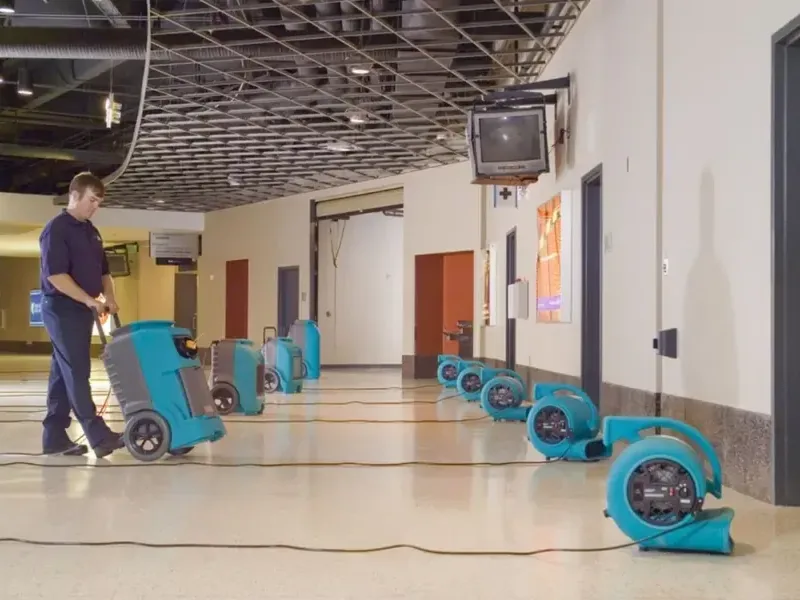
Professional attention for commercial water damage
Rapid local response
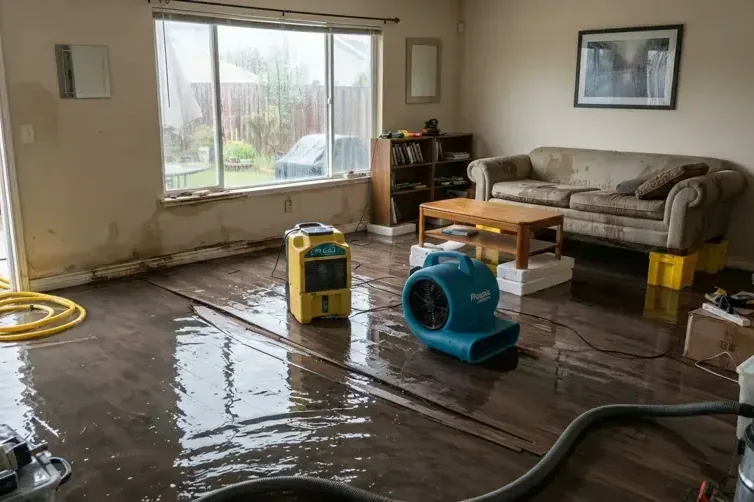
The response team treats active water movement as urgent. Dispatch records the source, affected rooms and safe entry conditions so the extraction plan starts with the actual problem.
IICRC S500 drying standard
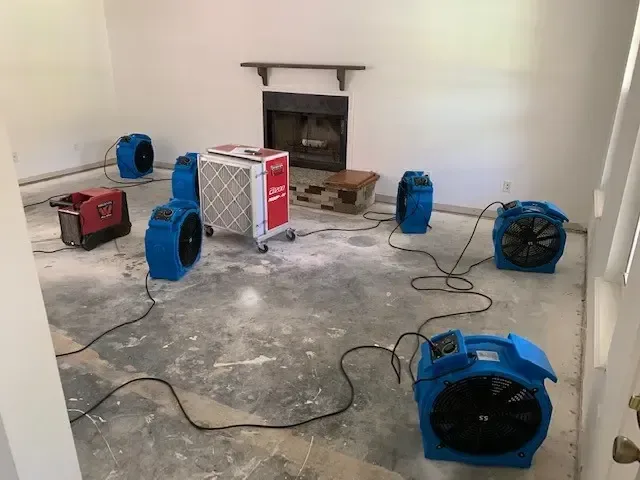
The drying team measures wet materials against a dry reference, manages evaporation with extraction and dehumidification, and adjusts equipment as readings change through the drying cycle.
Claim-ready documentation
The restoration technician records visible damage before removal, maps concealed moisture and maintains dated progress notes. That record separates emergency mitigation work from subsequent plumbing or building repairs.
Local water experts
The inspection follows the route water took through the property. Floor transitions, wall cavities and concealed layers receive attention even when the visible puddle occupies only a small area.
First steps for commercial water damage
Name the building contact
Identify who can authorize access, removal and contents movement. Include tenant and owner responsibilities so restoration decisions reach the appropriate person without conflicting instructions from different occupants.
Separate wet work areas
Keep employees and visitors away from affected floors and overhead damage. Describe any entrance or delivery route that must remain available during the assessment and equipment setup.
Record affected business contents
Photograph wet inventory, furnishings and accessible records before relocation. Keep damaged items separate from dry stock and explain any handling restrictions that affect the planned removal route.
Share operational constraints
Describe occupied rooms, access schedules and fixed equipment that could obstruct drying. The work scope should account for those conditions while preserving safe access to the damaged assemblies.
What does commercial water damage cost in Hiram, GA?
Commercial water restoration in Hiram ranges from $2,000 to $15,000+ across the listed scopes. Access, contents handling and connected wet assemblies affect the estimate. Source repair, building reconstruction and specialized contents work should be clearly distinguished from removal and drying.
Contained business area
$2,000 to $4,500
- Defined wet room
- Usable equipment route
- Limited contents movement
Multiple work zones
$4,500 to $9,000
- Connected floor damage
- Coordinated tenant access
- Broader drying arrangement
Complex interior loss
$9,000 to $15,000+
- Restricted working areas
- Extensive material handling
- Several affected assemblies
Water category, wet area, material class and the delay before drying shape the scope. The water damage cost calculator provides an estimate only.
Documentation for your insurance claim
The claim file contains a moisture map, daily psychrometric logs, timestamped pre-demolition photos and a line-item scope. The restoration team records the water category and affected material class. Sudden accidental leaks, outside flooding and sewer backups can receive different treatment under a policy. The policyholder checks coverage and deductibles with the insurer before assuming any payment.
How commercial water damage is handled
The restoration plan follows the source, the wet materials and the measurements taken through each stage.
Set the access agreement
The building contact and restoration professional identify authorized spaces, working routes and decision responsibilities. Source status and electrical restrictions are recorded before equipment enters the property.
Assess structure and contents
The damage map includes floor layers, walls and obstructed areas. Contents movement is planned alongside material removal so wet assemblies can actually be reached.
Restore by defined work area
Extraction, cleaning where needed and drying follow the affected spaces. Equipment arrangements account for safe circulation and the condition of materials retained in each area.
Deliver the remaining work record
Progress and final observations are linked to the documented spaces. Outstanding repairs, contents decisions and access restrictions are identified for the owner and affected occupants.
More about commercial water damage in Hiram
A commercial water loss can interrupt a hallway, storage area and occupied room at the same time. Restoration needs a practical agreement about access and responsibility before equipment fills the affected space. In Hiram, the assessment identifies the water source, damaged materials and operational restrictions that shape removal and drying.
Establish who controls access and decisions
US Highway 278 intersects Georgia State Route 92 in Hiram, and Bill Carruth Parkway is another major road. These corridors help identify a property's location during the initial discussion. The building contact should add the usable entrance, equipment access restrictions and the person authorized to approve work in the affected spaces.
Where a property has tenants and a separate owner, the restoration scope should distinguish their responsibilities for contents, building materials and source repairs. A single point of coordination can help arrange entry, document changes and communicate which spaces remain restricted. Authorization for one room should not be assumed to cover every occupied area.
- Identify tenant and owner contacts before removal changes the damaged space.
- Record any delivery or access route that equipment must leave available.
- Separate wet inventory from materials that remained outside the water footprint.
Match removal and drying to the business layout
Open floor areas, enclosed offices and storage spaces can require different equipment arrangements. The inspection checks connected floor coverings and wall bases beyond the largest puddle. Shelving, records and fixed equipment may obstruct access to retained moisture, so contents handling belongs in the restoration discussion rather than being left until work begins.
Paulding County Water requires a water flow test for residential and commercial development. For an existing water loss, the immediate source and repair requirements should be addressed with the responsible plumbing professional. The restoration record separately identifies wet materials, needed access and the work that returns those areas to a repairable condition.
- Map damaged rooms and the routes between equipment and building entrances.
- Plan contents relocation before blocking shelves or work surfaces with equipment.
- Keep electrical restrictions visible to everyone authorized to enter the area.
Water still affecting the floor?
A business loss needs a clear access contact and a room specific scope. Describe the wet areas, affected contents and any restrictions that shape equipment placement or material handling.
(888) 532-4616Arrange a business damage assessmentProvide a handoff that supports business decisions
The structural drying service explains the measurement work needed after extraction. In commercial premises, those observations should be tied to defined spaces so the owner and occupants can understand progress. A written record can distinguish an area ready for repair from one that still needs access or additional treatment.
Cleanup, building repairs and business reopening are separate decisions. The completion discussion should identify outstanding trades, retained materials and any restrictions that continue. Clear documentation helps avoid moving contents back over wet flooring or closing a cavity before the structure has been evaluated for reconstruction.
Keep wet routes outside ordinary circulation
Employees and visitors should not cross standing water or step over temporary equipment to reach a work area. Wet electrical equipment and unstable ceiling materials need qualified assessment. The responsible building contact should maintain restricted access and arrange a usable alternative route before cleanup equipment occupies shared circulation space.
Commercial water damage in Hiram
Commercial assessments cover Hiram properties around US Highway 278 and Georgia State Route 92. Share the building entrance, responsible access contact and restrictions affecting tenants, deliveries or the damaged work area.
The same service nearby: commercial water damage in Lithia Springs, Acworth, Villa Rica.
Related water damage services in Hiram
Commercial Water Damage questions
Talk through the wet areas
A business loss needs a clear access contact and a room specific scope. Describe the wet areas, affected contents and any restrictions that shape equipment placement or material handling.
(888) 532-4616Arrange a business damage assessmentCan a business remain open during restoration?
That depends on the affected area, access, electrical conditions and the business's operations. The building contact should assess usable spaces and restrictions with the responsible professionals. Restoration planning must preserve safe circulation rather than assume normal occupancy can continue.
Who approves work in a rented business space?
The tenant and owner should establish responsibility for contents, building materials and access. The restoration professional needs a clear authorized contact. The scope should record those arrangements before material removal or work in another occupied area begins.
Should wet inventory be moved immediately?
Contents need a planned route and a suitable receiving area. Photograph affected items and separate them from dry stock. Some materials may require specialized handling, so the building contact should explain restrictions before inventory is moved through unaffected spaces.
How are different rooms tracked during drying?
A damage map and location specific observations connect equipment work with each affected area. Repeated material checks help show progress and identify remaining concerns. This allows the owner to distinguish spaces ready for repairs from those still requiring treatment.
Does restoration include fixing the water source?
The estimate should identify source repair separately from the building cleanup and drying work. Plumbing, roof or appliance professionals may handle that repair. Coordination helps prevent renewed water entry while restoration equipment is operating in the affected areas.
What should the final handoff contain?
It should identify treated rooms, removed materials, retained structure and outstanding repairs. Remaining access restrictions or contents decisions also need explanation. That record supports coordination with rebuilding trades and the business's separate decisions about returning spaces to use.
Coordinate restoration around the affected work spaces
Documented responsibilities and material conditions help the owner and occupants understand removal, drying and the remaining repairs across the building.
(888) 532-4616Discuss commercial restoration access