Commercial Water Damage Recovery in Acworth
A wet business needs decisions about stock, access and operations alongside water removal. The recovery scope should identify the affected work zones and protect safe routes through any areas that remain usable.
(888) 532-4616Discuss water in business spaces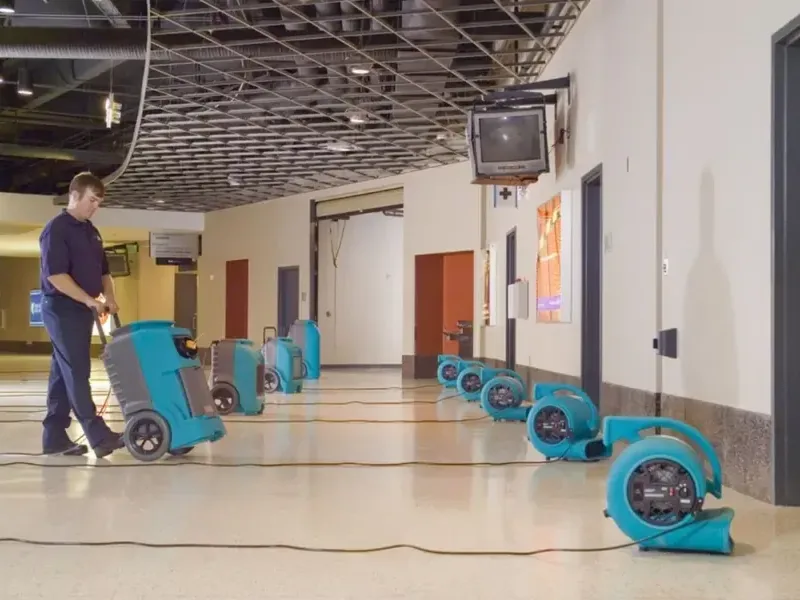
Professional attention for commercial water damage
Rapid local response
The response team treats active water movement as urgent. Dispatch records the source, affected rooms and safe entry conditions so the extraction plan starts with the actual problem.
IICRC S500 drying standard
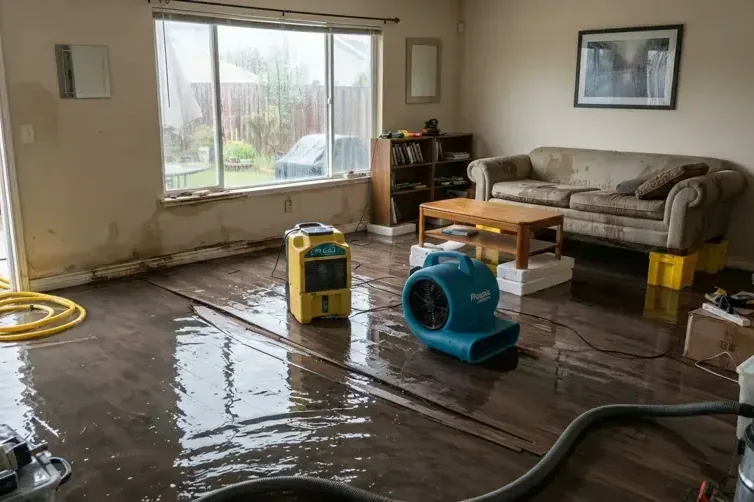
The drying team measures wet materials against a dry reference, manages evaporation with extraction and dehumidification, and adjusts equipment as readings change through the drying cycle.
Claim-ready documentation
The restoration technician records visible damage before removal, maps concealed moisture and maintains dated progress notes. That record separates emergency mitigation work from subsequent plumbing or building repairs.
Local water experts
The inspection follows the route water took through the property. Floor transitions, wall cavities and concealed layers receive attention even when the visible puddle occupies only a small area.
First steps for commercial water damage
Name the authorized contact
Identify who can approve building access and restoration work. Provide a separate contents contact when stock or business equipment decisions belong to someone other than the property representative.
Separate affected operating areas
Keep staff and customers out of wet or contaminated zones. Check whether a dry room depends on an unsafe passage before deciding it can remain in use.
Record stock by location
Photograph exposed merchandise, storage and fixtures from safe areas before moving them. Preserve the relationship between affected items and the rooms where the water reached them.
Coordinate source and access work
Describe the active leak, locked spaces and delivery constraints. The recovery plan should address source correction alongside equipment routes and the materials that require removal or drying.
What does commercial water damage cost in Acworth, GA?
Acworth commercial cleanup costs depend on affected work zones, exposed contents and the access needed for controlled recovery. The estimate should separate building mitigation from stock handling, source repair and reconstruction, with any operating constraints described alongside the scope.
Contained business area
$2,000 to $4,500
- Defined wet zone
- Accessible extraction route
- Limited contents handling
Multiple work zones
$4,500 to $9,000
- Separate room monitoring
- Additional stock movement
- Broader material exposure
Complex interior loss
$9,000 to $15,000+
- Restricted business access
- Extensive recovery coordination
- Multiple affected assemblies
Water category, wet area, material class and the delay before drying shape the scope. The water damage cost calculator provides an estimate only.
Documentation for your insurance claim
The claim file contains a moisture map, daily psychrometric logs, timestamped pre-demolition photos and a line-item scope. The restoration team records the water category and affected material class. Sudden accidental leaks, outside flooding and sewer backups can receive different treatment under a policy. The policyholder checks coverage and deductibles with the insurer before assuming any payment.
How commercial water damage is handled
The restoration plan follows the source, the wet materials and the measurements taken through each stage.
Map operations and exposure
Inspection identifies wet areas, source status and business dependencies. Authorized contacts establish access boundaries to protect people and dry inventory during recovery.
Remove water and organize contents
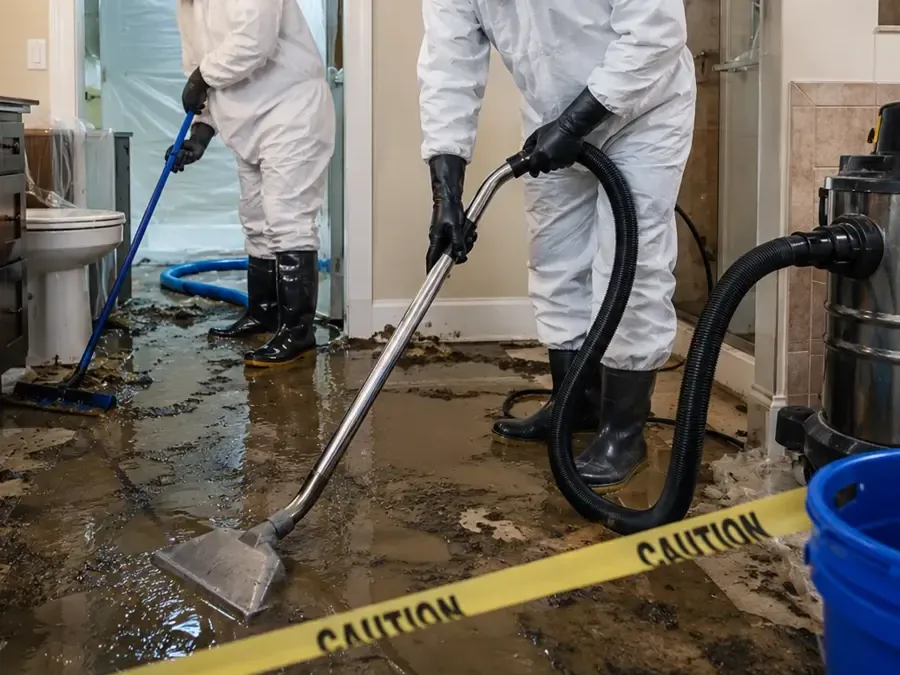
Extraction proceeds through planned routes while affected stock is documented and handled according to its condition. Fixed fixtures receive attention where they conceal water against building surfaces.
Dry by affected work zone
Material readings determine equipment placement and subsequent adjustments. Separate rooms can require different access and drying arrangements, with clear communication about the spaces still restricted.
Hand over a room-specific record
Completed mitigation, contents decisions and outstanding repairs are described by area. The business representative can coordinate the next stage using documented conditions rather than a general reopening assumption.
More about commercial water damage in Acworth
Water across a shop floor can interrupt sales, storage and staff access at the same time. Cleanup must identify which activities can continue safely and which areas need separation. Acworth commercial recovery should begin with an authorized property contact, the apparent source and a map of the wet work zones before contents or equipment are moved.
Plan around the business layout
Historic Downtown Acworth contains shops and restaurants. Main Street runs through the center of the city, and Dixie Highway is its other name. For a business in this setting, the recovery discussion should include entrances, customer circulation and the location of stock or equipment that could obstruct access to wet building materials.
- Identify a decision maker for building work and affected business contents.
- Mark routes that staff or customers must avoid during assessment.
- List any shared doors or passages needed for controlled removal equipment.
A dry sales area may still depend on a wet passage for access. The plan therefore needs to consider the route as well as the room. If operations continue in a separate area, protection and equipment placement should preserve the boundary without relying on people to step over hoses or walk through damp sections.
Document stock before handling changes the loss
Boxes on the floor, display fixtures and stored supplies can conceal water against the building surface. Their condition should be recorded before movement where practical and safe. The handling plan then separates dry stock, exposed items awaiting assessment and materials requiring disposal, with clear ownership of decisions about merchandise and business equipment.
- Photograph affected stock by location rather than mixing items from different rooms.
- Check underneath fixed fixtures when water has reached their bases.
- Keep exposed goods away from clean storage while recovery decisions are made.
Restaurants may need additional decisions about affected operating areas and contents before activity resumes. The property scope should identify those dependencies without treating extraction as permission to reopen. Sewage cleanup requires particularly careful separation when wastewater is involved, with contamination treatment preceding ordinary drying of suitable retained materials.
Water still affecting the floor?
A business water loss needs a clear decision maker and a workable access plan. Describe affected operating areas, stock exposure and shared passages so recovery can be organized around the actual property layout.
(888) 532-4616Discuss the affected business zonesMake each reopening decision specific to the space
Removing water from a hallway does not finish a wet stockroom or overhead cavity. Drying measurements should follow each affected zone and record changes in equipment access as contents move. The business contact needs a clear update on completed tasks, continuing restrictions and any plumbing or finish repairs outside the restoration scope.
- Track rooms separately when their materials and moisture conditions differ.
- Coordinate contractor entry with the business's actual access arrangements.
- Document remaining source repairs before normal use can conceal the affected assembly.
A working storefront still needs safe passage
Do not send staff through standing water to retrieve stock or electrical equipment. Keep customers outside restricted work areas and avoid improvised cords across occupied routes. Any continued operation should account for contamination, unstable materials and the access needed for recovery work.
Commercial water damage in Acworth
Business assessments need the property entrance, affected operating areas and an authorized contact. Describe delivery access, shared passages and locked rooms so the work plan accounts for the actual layout and occupancy.
The same service nearby: commercial water damage in Lithia Springs, Hiram, Villa Rica.
Related water damage services in Acworth
Commercial Water Damage questions
Talk through the wet areas
A business water loss needs a clear decision maker and a workable access plan. Describe affected operating areas, stock exposure and shared passages so recovery can be organized around the actual property layout.
(888) 532-4616Discuss the affected business zonesCan part of the business remain open during cleanup?
That depends on safe access, contamination, utilities and separation from the work area. A dry room may still be unusable if its only route crosses the damage. The assessment should evaluate the specific operating arrangement before activity continues.
Who authorizes work in a leased business space?
The business and property representatives should clarify approval and access responsibilities early. Building materials, inventory and equipment may involve different decision makers. A named contact for each affected scope helps avoid conflicting instructions during removal and drying.
Should wet inventory be moved immediately?
Photograph and identify affected items from a safe position before handling where possible. Movement should avoid spreading water or contamination into clean storage. The contents plan needs to distinguish dry goods, exposed items awaiting assessment and confirmed disposal decisions.
Does water removal mean the shop is ready to reopen?
Extraction is only one task. Wet assemblies, unsafe access or unfinished contamination treatment can still affect use. The recovery update should describe each affected area and identify any source repairs or building work required before normal activity resumes.
How can equipment placement affect operations?
Hoses, cords and drying units need a route that protects staff and customers. Their location also needs to support the wet materials being treated. Operating constraints should be discussed so changes preserve both safety and the monitored drying arrangement.
What records help the business after cleanup?
Room maps, photographs, contents notes and moisture measurements explain the loss and completed work. The handoff should identify remaining repairs and restrictions by area. This gives property and business contacts a shared basis for coordinating subsequent contractors and operations.
Connect the cleanup record with operating decisions
A room-specific scope helps property and business contacts understand what has been completed, what remains restricted and which repairs still need coordination.
(888) 532-4616Arrange business water-loss assessment