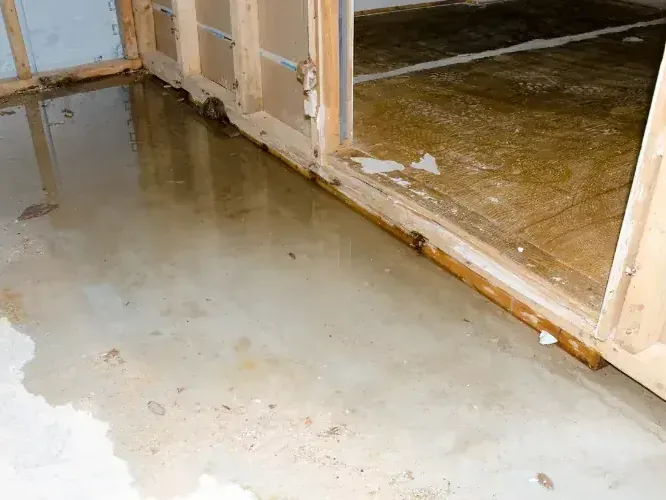
A muddy doorway changes the priorities after a storm. In Lithia Springs, Sweetwater Creek crosses the eastern community, and Woodrow Wilson Park flooded in 2009. When outside water reaches a home, the useful first report describes the entrance, affected rooms and visible hazards. Cleanup begins with a safe route into the building and a clear record of what the water touched.
Key takeaways
- Occupants should stay beyond wet electrical areas, moving water and unstable finishes.
- Doorway deposits and water marks deserve photographs before cleaning changes their appearance.
- Furniture, wallboard and flooring need separate decisions based on contact and condition.
- Extraction removes pooled liquid; retained assemblies also need cleaning and measured drying.
- The repair packet should connect the entry route with the rooms and materials affected.
A flooded park belongs in the local history
Woodrow Wilson Park sits beside Sweetwater Creek, with houses and apartments around it. September 2009: prolonged rainfall produced catastrophic flooding across the Atlanta area, including record flooding on the creek near Austell.
That history gives local residents a concrete reason to prepare a household water damage record before another emergency interrupts normal routines.
A practical record starts with photographs of the rooms while they are dry, a list of important contents and the names of people authorized to arrange work. Keeping those items accessible helps when a doorway is blocked or a room cannot be entered.
The preparation supports an orderly inspection after water arrives.
During an actual loss, the inspection follows the building from the observed opening inward. The storm and flood cleanup service addresses deposited dirt, soaked finishes and water trapped inside assemblies.
An owner can describe a wet threshold plainly while technicians investigate the full indoor path.
- Keep a copy of room photographs outside the affected building.
- Identify an alternate entrance before anyone carries equipment inside.
- Describe the first visible opening and the rooms beyond it.
The first safe view should preserve the wet boundary
A wide photograph from a dry position can show more than a close image of muddy carpet. Door frames, furniture legs and wall marks help establish how the liquid moved through the room.
A second view of the threshold connects that indoor pattern to the opening where water was noticed.
Occupants should avoid walking into water to improve a photograph. Wet electrical equipment, displaced flooring and weakened overhead surfaces need professional assessment before entry.
An inaccessible room can remain identified on the floor sketch until the response team establishes a safe way to inspect it.
The original wet edge can disappear as liquid drains away or spreads beneath a finish. Notes about discovery time, changing water depth and movement through doorways preserve the sequence.
A short description beside each photograph makes it easier to distinguish an initial condition from a later cleanup image.
- Photograph from dry footing and leave hazardous spaces undisturbed.
- Label images by room and direction of view.
- Record whether water was rising, receding or still entering.
Dirty water needs a controlled route through the house
Shoes, wet rugs and loose objects can move residue into rooms that escaped the initial intrusion. The cleanup plan therefore identifies a work entrance, a contents holding area and a protected route for removal.
Occupants should keep children and pets outside that route while the affected rooms are being evaluated.
A sofa leg standing in water and a cushion soaked through its filling present different cleaning problems. Technicians examine the actual contact surfaces, absorbent layers and structural condition before recommending retention or disposal.
Photographs taken before moving an item help connect that decision with the room where it was found.
Storage boxes deserve individual attention because a dry lid can conceal wet contents beneath it. Important papers, textiles and household equipment can be listed without spreading them across a clean living area.
The team can then organize suitable handling around the water condition and the items that need specialist attention.
- Separate untouched belongings from items exposed to the floodwater.
- Keep disposal photographs attached to the contents inventory.
- Reserve a clean passage for occupants away from removal work.
Puddles and wet layers call for different tools
Accessible liquid is removed before drying equipment carries the remaining moisture load. The water extraction process follows low spots, flooring edges and connected spaces where water collected.
A room can look substantially better after extraction while moisture still remains beneath its visible surface.
Wall bases and cabinet recesses can hide the continuation of a doorway spill. The inspection checks those locations against nearby material conditions and records where further access is needed.
Opening a damaged section should reveal a specific wet layer or obstruction so the scope remains understandable to the owner.
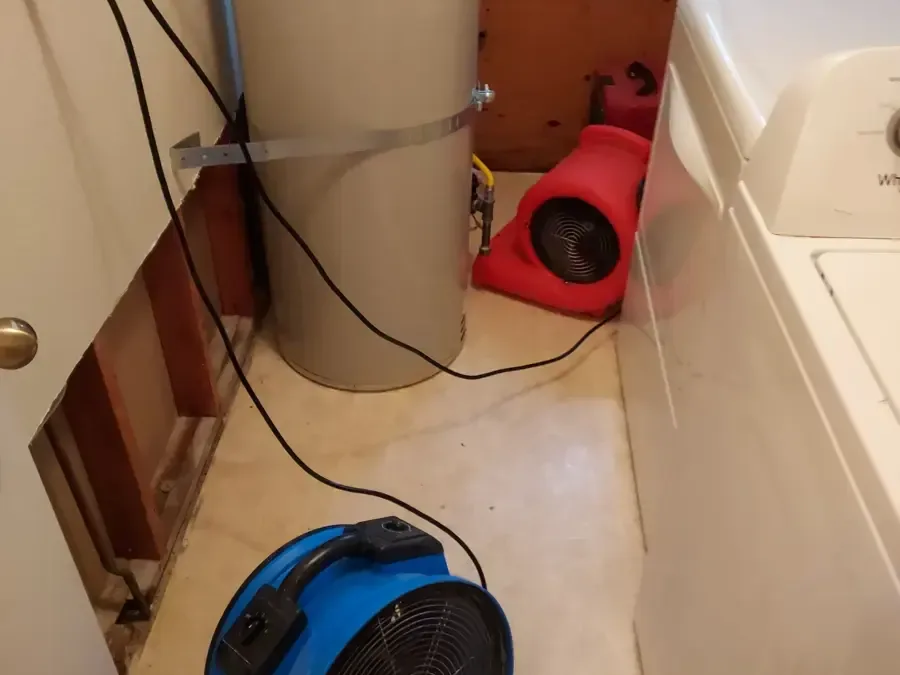
Contaminated absorbent materials require a cleaning and removal assessment before airflow is arranged. Retained surfaces can then be cleaned and prepared for drying.
This order keeps equipment placement tied to the materials that will remain in the building and avoids treating the disappearance of standing water as completion.
The room sketch should follow water around obstacles
A hallway may connect a visibly flooded entrance to a room with only damp trim. Drawing the doors, built in cabinets and changes in floor finish helps technicians follow that connection.
The sketch also identifies areas that were inspected and found outside the wet boundary, preserving a useful comparison for later visits.
Readings deserve labels that another technician can locate without repeating the entire investigation. A note such as the lower corner beside a bedroom doorway is more useful than a loose number with no material or position.
Consistent labels allow follow up visits to show progress at the same places.
The drying plan can change when an exposed layer responds differently from the surface above it. Structural drying uses those repeat observations to adjust airflow, dehumidification and access.
Owners should receive an explanation when another opening is recommended or a machine changes position.
- Mark floor transitions and the sides of built in furniture.
- Connect reading locations with photographs of the same surfaces.
- Record changes to the work area as concealed moisture is found.
Exterior corrections need their own repair description
Sweetwater Creek State Park lies along the southern edge of the community and contains George Sparks Reservoir. Around a damaged home, the immediate exterior inspection concentrates on the actual collection point, threshold or opening involved.
A photograph of that location gives the appropriate repair trade a useful starting point.
Temporary protection, drainage work and interior cleanup should each have a clear scope. The person correcting an opening needs to know which indoor surfaces became wet and whether another rain event changed them.
The drying team benefits from knowing when exterior work was completed and whether access remains restricted.
An owner can maintain a simple event record that places discovery photographs, repair notes and moisture records in date order. This keeps an exterior correction connected to its interior consequences.
It also helps the finishing contractor understand why a wall was opened and which layers were retained.
A useful handoff makes the next repair straightforward
Before finish replacement, the final room list should identify removed flooring, exposed wall sections and retained components. A broad photograph of each completed work area provides context for close views of specific repairs.
The owner can compare that list with the original contents inventory and ask about any remaining stored items.
Final measurements should be attached to the material locations used during monitoring. These records explain equipment removal and help the repair contractor plan around the remaining assembly.
Any source repair still outstanding should appear beside the relevant room so that new finishes are scheduled in a sensible order.
The closeout conversation should also cover access, protected surfaces and any temporary arrangements left in place. An owner should be able to distinguish a room ready for rebuilding from one awaiting another trade.
That clarity makes the transition from emergency work to normal household use easier to manage.
Questions
What should an occupant say when reporting outside water?
A useful report names the wet entrance, nearby rooms and visible hazards, then explains whether water is continuing to enter. Photographs already available from a safe position can accompany that description.
Should a wet rug be carried into an unaffected bedroom?
Exposed items should remain within a planned handling area until their condition is assessed. Moving a dripping rug across clean floors can extend the cleaning work and obscure the original damage pattern.
Why check a room beyond the muddy floor?
Liquid may have traveled under a continuous finish or along a wall base. Inspection can identify that concealed extension even when the farther room has no obvious deposit on its surface.
What records help when replacement flooring is arranged?
The installer benefits from a diagram of removed sections, material readings and a description of the exposed substrate. Source repair notes belong with those documents so the new work starts with a clear handoff.