Crawl Space Water Removal in Hiram
Water beneath a home needs a different access plan from a puddle in a room. Hiram crawl space removal begins by identifying the underfloor space, its entry conditions and the source of the pooling.
(888) 532-4616Discuss underfloor access conditions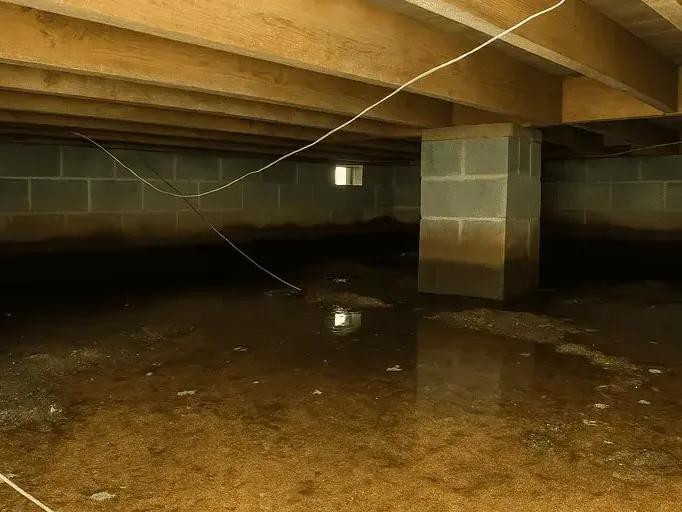
Professional attention for crawl space water removal
Rapid local response
The response team treats active water movement as urgent. Dispatch records the source, affected rooms and safe entry conditions so the extraction plan starts with the actual problem.
IICRC S500 drying standard
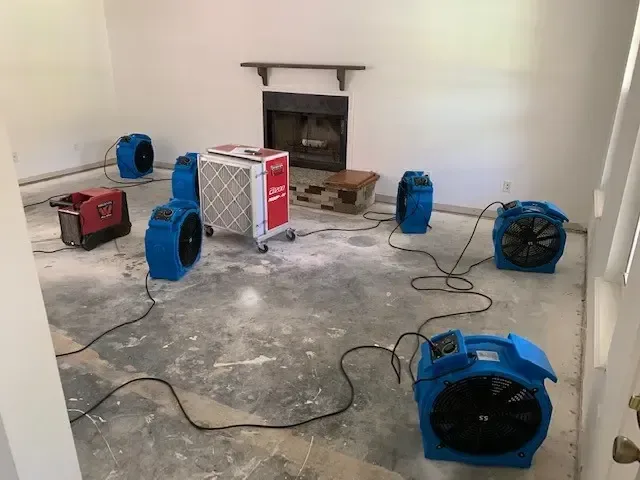
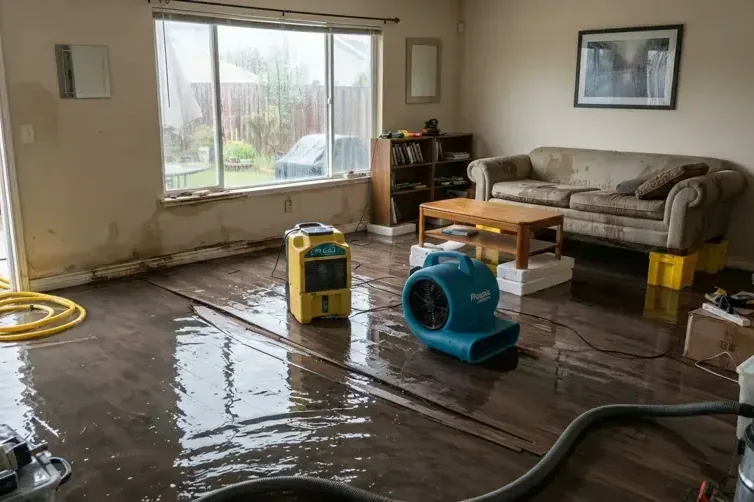
The drying team measures wet materials against a dry reference, manages evaporation with extraction and dehumidification, and adjusts equipment as readings change through the drying cycle.
Claim-ready documentation
The restoration technician records visible damage before removal, maps concealed moisture and maintains dated progress notes. That record separates emergency mitigation work from subsequent plumbing or building repairs.
Local water experts
The inspection follows the route water took through the property. Floor transitions, wall cavities and concealed layers receive attention even when the visible puddle occupies only a small area.
First steps for crawl space water removal
Describe the opening from outside
Report where the crawl space can be reached and whether anything blocks it. Avoid entering to measure water depth or to look for a suspected leak.
Keep power away from pooling
Do not bring portable electrical equipment or cords into the wet space. Visible wiring or powered equipment near water should be included in the initial safety discussion.
Record changes above the floor
Mention damp floor coverings, odors or warped trim inside the home. These observations help connect underfloor conditions with materials that may also need inspection in occupied rooms.
Identify ongoing water activity
Describe any known plumbing failure or entry during rainfall. Source correction and removal need coordination, including a suitable route for equipment and a planned place for collected water.
What does crawl space water removal cost in Hiram, GA?
Hiram crawl space removal scopes range from $1,000 to $6,500+. Clearance, entry restrictions, water condition and damaged insulation affect the estimate. Plumbing or exterior source repairs and replacement materials should be separated from removal and underfloor drying.
Accessible localized pooling
$1,000 to $2,200
- Defined underfloor area
- Usable equipment access
- Limited material handling
Water and insulation damage
$2,200 to $4,200
- Saturated insulation removal
- Exposed framing checks
- Additional drying preparation
Restricted or extensive loss
$4,200 to $6,500+
- Difficult entry conditions
- Wider underfloor spread
- Complex removal routing
Water category, wet area, material class and the delay before drying shape the scope. The water damage cost calculator provides an estimate only.
Documentation for your insurance claim
The claim file contains a moisture map, daily psychrometric logs, timestamped pre-demolition photos and a line-item scope. The restoration team records the water category and affected material class. Sudden accidental leaks, outside flooding and sewer backups can receive different treatment under a policy. The policyholder checks coverage and deductibles with the insurer before assuming any payment.
How crawl space water removal is handled
The restoration plan follows the source, the wet materials and the measurements taken through each stage.
Evaluate access and source
The assessment identifies the actual underfloor assembly and safe entry conditions. Water origin, electrical concerns and equipment routes are reviewed before a removal method is chosen.
Remove standing water carefully
Collection equipment addresses the accessible pooling through a planned discharge route. Continuing entry and debris conditions are monitored so removal does not simply circulate the same water.
Assess overhead material losses
Insulation and accessible subfloor are evaluated after pooling clears. Necessary removal exposes retained framing and helps define the drying scope beneath the occupied rooms.
Explain the underfloor handoff
Moisture observations and material removal are documented together. The final record distinguishes completed drying work from source repairs and insulation replacement that still need coordination.
More about crawl space water removal in Hiram
A damp floor above can be the first sign of water beneath the house. Before removal equipment is chosen, the property needs an assessment of the actual underfloor space and a safe way to reach it. Hiram crawl space work considers entry restrictions, water conditions and wet materials overhead as parts of the same problem.
Establish a safe view of the underfloor area
Regency Park, Sprayberry Farms and Asbury Woods include single-family homes. At any affected property, the foundation and access arrangement must be identified on site. The inspection starts with the available opening, visible water and any electrical or structural concerns. At each home, inspection identifies the foundation and the access available beneath the occupied floor.
Low clearance, loose materials and blocked entry can affect how equipment reaches the water. The removal plan also needs a suitable discharge arrangement that does not return collected water to the same space. Occupants can describe what is visible from a safe position without crawling into an area of uncertain condition.
- Identify the access opening without entering standing water or confined areas.
- Report sagging insulation and visible supply or drain leaks from outside.
- Keep the exterior equipment route clear of stored belongings and obstructions.
Separate source correction from water removal
Pooling beneath a house can relate to plumbing or outside entry. Its source and contamination determine the handling approach. A drainage or plumbing repair may be needed alongside removal. Pumping can reduce visible water, but a continuing source must be corrected to prevent the underfloor space from filling again.
Wet insulation can sag against framing or conceal damp wood above it. The assessment should record those materials before removal so the homeowner understands why pumping alone may be insufficient. The burst pipe restoration page covers a related situation when a failed supply pipe releases water into the underfloor assembly.
- Inspect the source route before assuming the water came from outside.
- Evaluate insulation by exposure and condition rather than appearance from afar.
- Plan material removal so debris does not obstruct equipment or the exit.
Water still affecting the floor?
Underfloor water needs an access plan before equipment goes beneath the house. Describe the opening, the visible pooling and any changes noticed in the occupied room above.
(888) 532-4616Arrange underfloor water assessmentDry the floor system that remains overhead
After standing water is removed and necessary cleaning is complete, accessible joists and subfloor need moisture assessment. Drying depends on the actual clearance, wet layers and safe equipment positions. The occupied room above may also need inspection if moisture has affected floor coverings or traveled through penetrations.
A useful completion record distinguishes water removal, discarded insulation and the readings from retained wood. It should also identify outstanding source repairs. Replacement insulation belongs after the surrounding assembly has been evaluated, so new material does not hide a continuing leak or an incompletely dried area beneath the floor.
Stay outside an unassessed crawl space
Standing water, exposed wiring and restricted movement can make underfloor entry unsafe. Occupants should not carry an extension cord or household pump into the space. Qualified assessment must establish entry and electrical conditions before removal begins, and the access opening should remain available for the professionals carrying out the work.
Crawl space water removal in Hiram
Crawl space assessments serve Hiram properties with an accessible underfloor space, including homes in Regency Park. Describe the entrance, visible water and suspected source without entering a hazardous or restricted area.
The same service nearby: crawl space water removal in Lithia Springs, Acworth, Villa Rica.
Related water damage services in Hiram
Crawl Space Water Removal questions
Talk through the wet areas
Underfloor water needs an access plan before equipment goes beneath the house. Describe the opening, the visible pooling and any changes noticed in the occupied room above.
(888) 532-4616Arrange underfloor water assessmentDoes every home here have a crawl space?
The actual foundation must be identified at the property before underfloor removal is planned. For a home in Regency Park, inspection identifies the foundation and available access. The assessment starts with the building's accessible space and observed conditions.
Can a homeowner use a small pump underneath?
Entry and electrical conditions should be assessed before equipment is carried beneath the home. Restricted movement, water and wiring can create serious hazards. A professional removal plan also needs a discharge route that avoids returning water to the space.
Is pumping enough when insulation hangs down?
Sagging insulation needs a separate material assessment because it may retain water against the framing. Pumping addresses the pool beneath it. Removal or replacement decisions should follow the insulation's condition and the access needed to dry surrounding wood.
Should rooms above the crawl space be checked?
Yes, when dampness, damaged flooring or the water route indicates an affected assembly above. Underfloor water and wet insulation can involve the subfloor as well as the space beneath it. The inspection should connect those observations.
What if the crawl space refills afterward?
New pooling requires another source assessment. Ongoing plumbing leakage or exterior entry can undermine removal work. The restoration record should identify the source status and any separate repairs needed to keep water from returning beneath the home.
When can insulation be put back underneath?
Replacement follows evaluation of retained framing and subfloor, along with correction of the water source. Installing new insulation too early can conceal wet wood or a continuing leak. The drying handoff should identify the area's readiness for reinstatement.
Connect removal with the condition of the floor
A documented assessment explains which water can be removed, which materials need attention and how the remaining structure will be evaluated.
(888) 532-4616Discuss crawl space entry