Crawl Space Water Removal in Union City
Water beneath a home changes the entry conditions before pumping begins. For a property with a crawl space, the assessment considers clearance, electrical hazards and wet materials overhead as well as the pooling below.
(888) 532-4616Discuss the flooded underfloor area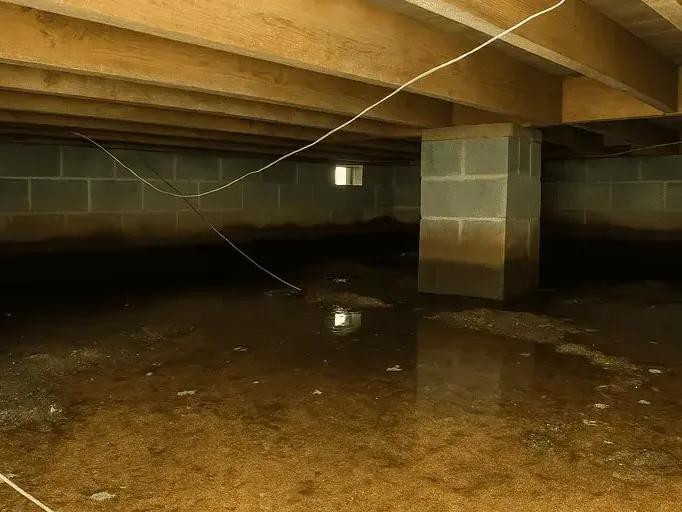
Professional attention for crawl space water removal
Rapid local response
The response team treats active water movement as urgent. Dispatch records the source, affected rooms and safe entry conditions so the extraction plan starts with the actual problem.
IICRC S500 drying standard
The drying team measures wet materials against a dry reference, manages evaporation with extraction and dehumidification, and adjusts equipment as readings change through the drying cycle.
Claim-ready documentation
The restoration technician records visible damage before removal, maps concealed moisture and maintains dated progress notes. That record separates emergency mitigation work from subsequent plumbing or building repairs.
Local water experts
The inspection follows the route water took through the property. Floor transitions, wall cavities and concealed layers receive attention even when the visible puddle occupies only a small area.
First steps for crawl space water removal
Keep the hatch area clear
Stay outside the crawl space when water or unknown electrical conditions make entry unsafe. Clear dry belongings from the approach without reaching into the affected underfloor area.
Report visible water and access
Describe the opening, visible pooling and any obstruction from a safe position. The inspection can use those observations to plan the approach and determine what further access is possible.
Arrange attention to an active source
If a plumbing release is known, coordinate its repair through the appropriate trade. Keep discovery notes and repair findings available so returning water can be distinguished from residual pooling.
Identify the rooms overhead
A simple room description helps connect underfloor inspection points with the occupied building above. Mention any floor changes noticed indoors and identify the room where each change appeared.
What does crawl space water removal cost in Union City, GA?
Union City crawl space recovery estimates reflect clearance, water extent and affected overhead materials. These ranges support removal and drying planning, while source repairs and replacement insulation or finishes should have clearly identified allowances after the access assessment.
Accessible localized pooling
$1,000 to $2,200
- Reachable recovery area
- Clear equipment approach
- Focused overhead inspection
Water and insulation damage
$2,200 to $4,200
- Wet insulation handling
- Retained framing checks
- Underfloor drying arrangement
Restricted or extensive loss
$4,200 to $6,500+
- Difficult access planning
- Broader moisture footprint
- Multiple material decisions
Water category, wet area, material class and the delay before drying shape the scope. The water damage cost calculator provides an estimate only.
Documentation for your insurance claim
The claim file contains a moisture map, daily psychrometric logs, timestamped pre-demolition photos and a line-item scope. The restoration team records the water category and affected material class. Sudden accidental leaks, outside flooding and sewer backups can receive different treatment under a policy. The policyholder checks coverage and deductibles with the insurer before assuming any payment.
How crawl space water removal is handled
The restoration plan follows the source, the wet materials and the measurements taken through each stage.
Determine a suitable entry method
The approach, clearance and electrical concerns are assessed before underfloor work begins. Observations at the opening establish what is visible and what requires a protected inspection route.
Recover the accessible pool
Water removal follows the assessed layout and source conditions. The record identifies the areas reached and any pooling that remains inaccessible or returns during the work.
Evaluate the wet overhead layers
Insulation, framing and subfloor conditions are checked where accessible. Material removal and drying choices follow those findings, with room references helping organize the moisture record.
Explain the underfloor handoff
The final account separates pumping from material treatment and source repairs. It identifies remaining access limitations and reconstruction needs so the household understands the work beneath the occupied floor.
More about crawl space water removal in Union City
The opening beneath a house can show standing water without revealing the conditions farther inside. At a Union City property with a crawl space, the inspection must establish whether entry is suitable before anyone crawls toward the pool. Clearance, electrical equipment and the stability of the route influence how recovery equipment can reach the affected area.
Describe the opening from outside the space
The household can identify the hatch and report visible pooling from a safe position. Stored items, a narrow approach or water covering the entrance can change the working plan. A property near Mayor's Park should include those practical details when arranging assessment rather than relying on the location alone.
- Keep photographs at the entrance without climbing into standing water.
- Describe any known active plumbing release above the underfloor area.
- Identify access obstacles that prevent a clear view of the space.
Source investigation matters because water can return after pumping. A plumbing issue and outside entry require different source attention. The restoration record should describe what is observed at the property and coordinate the appropriate repair while documenting the pooling and any wet materials above it.
Inspect above the water after recovery
Removing the pool creates access to a different question: which building materials remain wet? Insulation can hold moisture against the structure, and a subfloor may need assessment from below even if the room above looks normal. Those conditions determine whether removal, further access or targeted drying is needed.
For a household using Ronald Bridges Park & Nature Trail as a nearby reference, the room above the affected space can also help organize records. Matching underfloor locations with interior rooms makes observations easier to compare. The work scope should explain which assemblies are retained and how their response will be monitored.
- Record insulation condition before deciding whether it can remain overhead.
- Check reachable framing and subfloor surfaces near the water path.
- Identify any area that remains inaccessible after the pool is removed.
Water still affecting the floor?
Describe the crawl space opening, visible pooling and any known active leak without entering the wet area. Those details help establish the access assessment before equipment is arranged.
(888) 532-4616Discuss safe underfloor accessSeparate pump completion from underfloor drying
After pumping, the wood and other retained materials still need a separate condition assessment. Structural drying may follow water recovery, with equipment arranged around the actual access and moisture locations. Subsequent observations should note whether water is returning and whether the retained assembly is responding.
Flat Shoals Road offers a location reference for arranging the visit, but the crawl space layout sets the work route. At handoff, the record should state which areas were reached, which materials were removed and what repairs remain. That account helps the household distinguish a completed pump task from the broader work needed beneath the floor.
Do not enter to investigate a submerged cable
Standing water can conceal electrical hazards, sharp debris and unstable footing in a restricted space. Keep occupants outside the opening and avoid placing household fans or extension cords inside. Entry suitability and safe equipment use need assessment before pumping or overhead material handling begins.
Crawl space water removal in Union City
For Union City properties with crawl space access, note the hatch location and whether standing water blocks entry. A nearby Flat Shoals Road reference can accompany those practical access details during scheduling.
The same service nearby: crawl space water removal in Lithia Springs, Villa Rica, Hiram.
Related water damage services in Union City
Crawl Space Water Removal questions
Talk through the wet areas
Describe the crawl space opening, visible pooling and any known active leak without entering the wet area. Those details help establish the access assessment before equipment is arranged.
(888) 532-4616Discuss safe underfloor accessCan a homeowner check the pool from the hatch?
Observations from a dry position outside the opening can be helpful. Entry is a different decision involving clearance, electrical conditions and hidden hazards, so the household should describe what is visible without crawling into standing water to investigate.
Will pumping alone dry the subfloor?
Pumping removes accessible liquid, while the subfloor and framing may retain moisture. Those materials need separate inspection and a drying plan when affected, with readings or observations showing how their condition changes after the pool is gone.
Does wet insulation always stay in place?
The decision depends on the insulation's condition, exposure and effect on access to surrounding materials. The scope should explain any removal and identify what will replace it later, rather than treating the insulation as part of the pump task alone.
Why identify the room above a wet area?
Connecting underfloor locations to rooms makes the inspection record easier to follow. A subfloor observation can be matched with an indoor symptom, while separate room references help show which overhead assemblies need drying and which areas remain accessible for monitoring.
What if water returns after recovery?
Returning water calls for continued source investigation and coordination with the appropriate repair trade. The restoration record should distinguish new entry from moisture remaining in materials, so equipment use and access decisions reflect the actual conditions beneath the property.
Are source repairs part of water removal?
The estimate should identify plumbing or entry repairs separately from recovery and drying. A clear scope explains which task addresses incoming water, which treats the wet structure and which restores removed materials after the underfloor area has been assessed.
Track the structure after the pool is gone
A removal plan should also explain wet insulation, retained framing and the observations needed to prepare the underfloor area for repairs.
(888) 532-4616Arrange a crawl space assessment