Storm and Flood Cleanup in Union City
Outdoor water leaves more than a wet floor when it enters a building. The cleanup plan follows its entry route, contacted materials and any continuing inflow before deciding what can remain.
(888) 532-4616Discuss water entering the building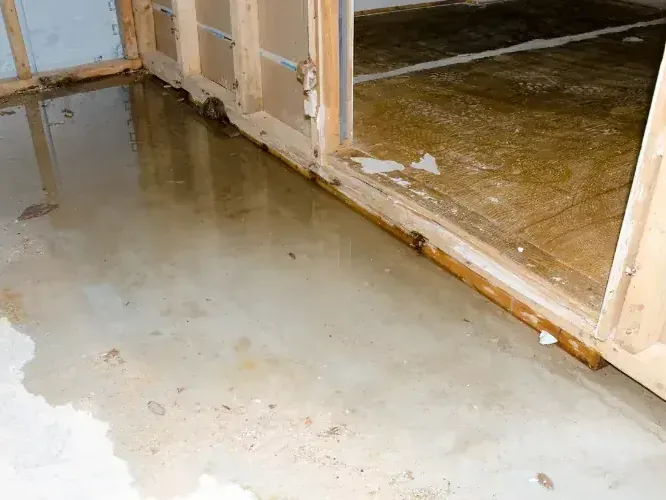
Professional attention for storm and flood cleanup
Rapid local response
The response team treats active water movement as urgent. Dispatch records the source, affected rooms and safe entry conditions so the extraction plan starts with the actual problem.
IICRC S500 drying standard
The drying team measures wet materials against a dry reference, manages evaporation with extraction and dehumidification, and adjusts equipment as readings change through the drying cycle.
Claim-ready documentation
The restoration technician records visible damage before removal, maps concealed moisture and maintains dated progress notes. That record separates emergency mitigation work from subsequent plumbing or building repairs.
Local water experts
The inspection follows the route water took through the property. Floor transitions, wall cavities and concealed layers receive attention even when the visible puddle occupies only a small area.
First steps for storm and flood cleanup
Wait for a safe entry route
Keep people outside the flooded space when electrical conditions or structural stability are uncertain. A dry doorway can provide observation without requiring anyone to cross the water.
Record the water's entrance
Photograph the affected sill, opening or floor edge if safe. Note whether water is still entering so source protection can be coordinated with the interior cleanup.
Inventory contacted belongings
List items touched by the incoming water and leave difficult pieces in place. Their condition, handling route and salvage options need assessment before movement spreads debris.
Keep the repair sequence clear
Arrange attention to the entry problem as well as the wet interior. Retain separate notes for source correction, water removal and the later work on damaged finishes.
What does storm and flood cleanup cost in Union City, GA?
Union City storm cleanup ranges depend on indoor spread, debris, affected contents and the access needed for cleaning. An inspection defines removal and drying tasks, while exterior source repairs and reconstruction should be listed separately from the cleanup allowance.
Limited interior entry
$2,000 to $4,000
- Small contacted area
- Reachable water removal
- Focused surface cleanup
Several affected rooms
$4,000 to $8,000
- Connected wet finishes
- Expanded contents handling
- Multiple drying zones
Extensive indoor flooding
$8,000 to $12,000+
- Broad debris removal
- Complex material access
- Detailed repair coordination
Water category, wet area, material class and the delay before drying shape the scope. The water damage cost calculator provides an estimate only.
Documentation for your insurance claim
The claim file contains a moisture map, daily psychrometric logs, timestamped pre-demolition photos and a line-item scope. The restoration team records the water category and affected material class. Sudden accidental leaks, outside flooding and sewer backups can receive different treatment under a policy. The policyholder checks coverage and deductibles with the insurer before assuming any payment.
How storm and flood cleanup is handled
The restoration plan follows the source, the wet materials and the measurements taken through each stage.
Establish the entry conditions
The assessment identifies hazards, continuing inflow and a usable work route. Initial photographs preserve the water path and the condition of affected rooms and contents.
Recover water and remove debris
Accessible liquid and debris are addressed through the planned route. Materials that cannot remain are documented and handled separately from belongings outside the affected boundary.
Treat retained surfaces and moisture
Cleanup prepares the retained assembly for a drying plan. Measurements show which floor layers, walls or cavities continue holding water after the visible flood residue is gone.
Document the indoor recovery
The final account connects cleanup decisions with the remaining material condition. It identifies entry repairs and finish reconstruction still needed before the space returns to ordinary use.
More about storm and flood cleanup in Union City
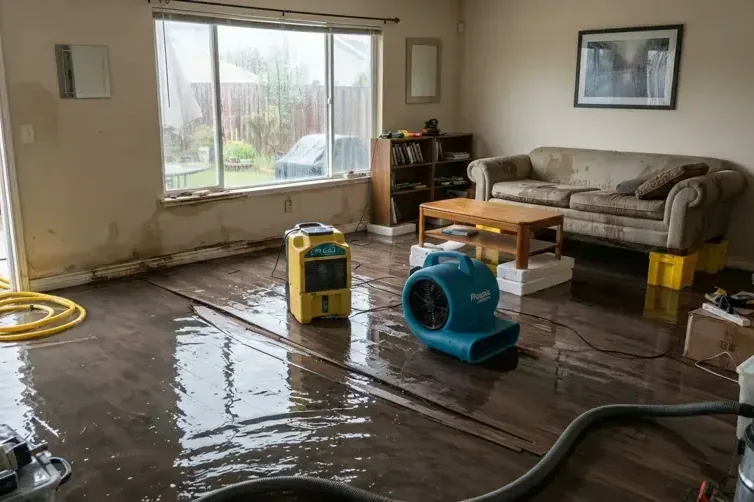
A wet entrance and a dry looking room beyond it can belong to the same storm loss. Outdoor water may collect at a sill, cross a floor seam or carry debris underneath furniture. Union City cleanup needs a property specific account of where the water entered and which surfaces it contacted before removal changed the scene.
Start with the entrance that stays usable
Safe access matters before equipment placement. A household near Ronald Bridges Park & Nature Trail can identify an alternate door if the usual entry is flooded. Describe pooled water, loose finishes and any electrical equipment in the affected area. Keep occupants out until the entry route and room conditions have been assessed.
- Photograph the interior entry point from a safe, dry location.
- Record debris and water marks before approved cleanup removes them.
- Separate unaffected belongings from items that contacted incoming outdoor water.
If water continues entering, source protection and indoor recovery need coordination. Removing a puddle while new water arrives may protect some materials, but the plan must acknowledge the continuing entry. A written sequence helps the household understand what can proceed and what depends on correcting the opening or drainage problem.
Follow contact rather than the visible mud
The dirtiest area may not be the farthest point reached. A film of water can travel under a covering or along a wall edge with little debris. Inspect those connected materials before deciding that a quick surface cleanup is enough. Absorbent contents and floor layers require their own handling decisions.
For a townhome at The Enclave at Whitewater Creek, identify the actual affected rooms and furnishings individually. A useful inventory distinguishes a damp chair base from a dry item nearby. That level of detail supports selective handling and avoids treating every object in the room as if its condition were identical.
Water still affecting the floor?
Describe the doorway or opening where water entered and the rooms it reached. Include any continuing inflow so the inspection can connect source protection with indoor cleanup decisions.
(888) 532-4616Discuss the indoor storm lossMake cleaning and drying separate milestones
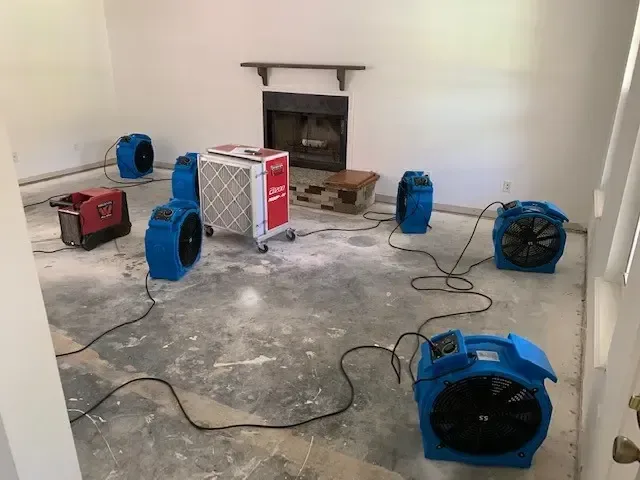
Water recovery reduces the immediate load, while cleaning addresses the surfaces contacted by outdoor water. Retained assemblies may then need structural drying. Equipment placement should follow material decisions so airflow serves surfaces that can remain rather than concealing an unresolved removal or access problem.
- List the finishes removed and the reason for each decision.
- Keep moisture observations tied to their original room locations.
- Identify reconstruction needs before occupants move belongings back into place.
Mayor's Park can serve as a nearby reference during scheduling, while the property's entrance details direct the work. At completion, the record should explain the entry repair status, cleanup performed and remaining finish work. A household then has a practical basis for returning the rooms to use and arranging the next trade.
Stay outside an unsafe flooded area
Do not cross indoor floodwater to reach outlets, switches or equipment. Water can conceal debris and damage to walking surfaces. Keep children and pets away, avoid moving heavy saturated items and let the entry assessment establish how the affected rooms can be reached without exposing occupants to additional hazards.
Storm and flood cleanup in Union City
Flat Shoals Road is a useful Union City location reference when arranging access. Describe the actual entrance, water entry point and affected rooms so the assessment can focus on conditions at the property.
The same service nearby: storm and flood cleanup in Lithia Springs, Villa Rica, Hiram.
Related water damage services in Union City
Storm and Flood Cleanup questions
Talk through the wet areas
Describe the doorway or opening where water entered and the rooms it reached. Include any continuing inflow so the inspection can connect source protection with indoor cleanup decisions.
(888) 532-4616Discuss the indoor storm lossIs rainwater indoors treated like a tap spill?
The route into the building matters. Outdoor water can contact soil, debris and other materials before reaching a room, so the cleanup approach considers that exposure along with the surfaces and contents it touched inside the property.
Should muddy contents be washed immediately?
Photograph affected items first when safe and avoid moving them through dry rooms. The assessment should determine handling and cleaning options for each material, particularly pieces with absorbent interiors or surfaces that are difficult to reach.
Can water removal begin during continuing entry?
Protective recovery may be coordinated with source control, but the plan must address water still arriving. The scope should explain which work can proceed safely and which cleanup or drying decisions depend on stopping the entry.
Why inspect a room without visible debris?
Water can reach a surface without leaving mud or a clear mark. Checking connected floors and wall edges helps establish the true contacted area, so cleaning and drying do not stop at the most visibly dirty portion of the loss.
Does the estimate include the entry repair?
The written estimate should state whether exterior repairs are included or handled by another trade. Interior cleanup, source correction and finish reconstruction are distinct tasks, and each needs a clear description before the household approves the work.
What determines when belongings can return?
The affected surfaces must receive the planned cleanup and the retained materials need an appropriate condition assessment. The handoff should explain remaining drying or repair needs and any room restrictions before furniture or stored items conceal inspection points.
Make the water path visible in the work plan
A documented room assessment helps organize removal, cleaning and drying around the actual surfaces affected by the incoming water.
(888) 532-4616Arrange the flood entry assessment