Storm and Flood Cleanup in Hiram
Water crossing a doorway during heavy rain brings a different cleanup problem from a supply leak. Hiram flood restoration examines entry, debris and material contact before choosing removal and cleaning methods.
(888) 532-4616Discuss rainwater entry indoors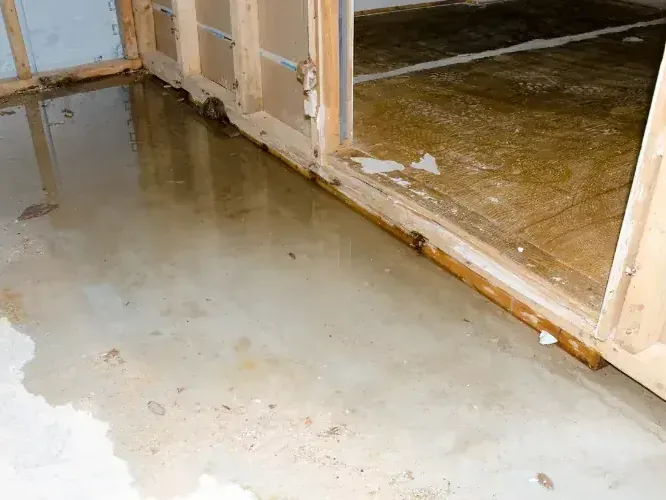
Professional attention for storm and flood cleanup
Rapid local response
The response team treats active water movement as urgent. Dispatch records the source, affected rooms and safe entry conditions so the extraction plan starts with the actual problem.
IICRC S500 drying standard
The drying team measures wet materials against a dry reference, manages evaporation with extraction and dehumidification, and adjusts equipment as readings change through the drying cycle.
Claim-ready documentation
The restoration technician records visible damage before removal, maps concealed moisture and maintains dated progress notes. That record separates emergency mitigation work from subsequent plumbing or building repairs.
Local water experts
The inspection follows the route water took through the property. Floor transitions, wall cavities and concealed layers receive attention even when the visible puddle occupies only a small area.
First steps for storm and flood cleanup
Wait for safe access
Remain outside flooded rooms and approaches until the electrical and structural conditions have been assessed. A familiar entrance can conceal hazards after outdoor water enters.
Record the entry pattern
From dry ground, note where water appeared and which rooms received it. Include visible sediment and wall marks rather than only photographing the largest puddle.
Separate affected belongings
Keep wet contents out of clean rooms. Record damaged items before removal and avoid handling materials that have sharp debris or unknown contamination mixed into them.
Discuss ongoing entry
Explain whether rainwater still enters and whether exterior repairs are underway. Interior work needs coordination with the condition that allowed the water into the property.
What does storm and flood cleanup cost in Hiram, GA?
Storm and flood cleanup in Hiram uses listed scopes from $2,000 to $12,000+. Water contamination, debris, affected rooms and material removal shape the estimate. Exterior entry repairs and replacement finishes should be specified as separate work.
Limited interior entry
$2,000 to $4,000
- Defined entry footprint
- Accessible debris removal
- Limited finish losses
Several affected rooms
$4,000 to $8,000
- Connected indoor spread
- More cleaning surfaces
- Broader material removal
Extensive indoor flooding
$8,000 to $12,000+
- Complex contamination handling
- Multiple wet assemblies
- Expanded drying scope
Water category, wet area, material class and the delay before drying shape the scope. The water damage cost calculator provides an estimate only.
Documentation for your insurance claim
The claim file contains a moisture map, daily psychrometric logs, timestamped pre-demolition photos and a line-item scope. The restoration team records the water category and affected material class. Sudden accidental leaks, outside flooding and sewer backups can receive different treatment under a policy. The policyholder checks coverage and deductibles with the insurer before assuming any payment.
How storm and flood cleanup is handled
The restoration plan follows the source, the wet materials and the measurements taken through each stage.
Assess entry and exposure
The visit establishes safe access, likely water movement and the materials contacted. Indoor contamination and the continuing entry condition are treated as separate decisions.
Remove water and deposits
Extraction and debris handling clear the affected footprint. Porous materials are evaluated before equipment moves contamination or moisture into other parts of the home.
Clean the retained structure
Accessible surfaces receive cleaning suited to their exposure. Cavities and joints are checked where sediment or contaminated water could remain after surface removal.
Dry and document losses
Retained assemblies receive a drying plan supported by readings. The repair record distinguishes cleaned structure, discarded materials and outstanding work at the building's entry point.
More about storm and flood cleanup in Hiram
A wet threshold tells only part of the storm story. Water may have carried sediment beneath a floor covering or entered a wall base before the indoor level dropped. Hiram storm cleanup evaluates what crossed into the building, how far it traveled and which surfaces can be effectively cleaned after the standing water is removed.
Start with the building's entry point
USGS identifies Mill Creek at Morning Side Dr near Hiram. At an affected home, the restoration assessment still begins at the actual doorway, opening or exterior condition involved in the incident. A useful record shows the entry area and indoor water marks while avoiding unsafe outdoor access during ongoing flooding.
Bill Carruth Parkway and Georgia State Route 92 provide location details when arranging a property visit. The caller should also describe whether the usual entrance is usable and whether water remains outside it. Equipment access depends on current conditions at the property, including electrical hazards and unstable or debris covered walking surfaces.
- Photograph exterior entry only from a position that remains safely accessible.
- Separate soaked contents from items that stayed above the water level.
- Record sediment deposits before cleaning changes the original indoor conditions.
Make material decisions before circulating indoor air
Outdoor floodwater can bring contaminants that require more than drying. Carpet padding, insulation and other absorbent materials need evaluation for removal. Retained hard surfaces require appropriate cleaning after debris and water are collected. Fans should not be placed to blow across untreated deposits simply because the room feels damp.
The single-family homes at Carrington Pointe at Lake Swan require property specific assessment when water enters. Floor coverings, room connections and access to wall cavities determine the scope. The neighborhood name cannot replace inspection of the affected assembly. Contents handling and disposal routes should be planned before debris moves through dry rooms.
- Identify wet porous finishes that cannot be adequately cleaned in place.
- Keep the equipment route separate from clean storage and occupied areas.
- Evaluate concealed sediment around thresholds, built-ins and lower wall joints.
Water still affecting the floor?
Describe where outside water entered and which rooms collected debris. Those details support an assessment that separates safe removal, cleaning and the remaining building repairs.
(888) 532-4616Arrange indoor flood assessmentLink interior restoration to entry correction
Cleaning and drying address the indoor loss, while the entry condition may require a separate building repair. The written scope should distinguish those tasks. Where water remains beneath the structure, crawl space removal may require its own access and safety assessment before the floor assembly above can be evaluated.
After cleaning, retained framing and subfloor receive measured drying. Replacement finishes should wait until the remaining materials are suitable for reconstruction. Documentation should connect the entry observations, removed materials and final drying record so later repair decisions follow the same affected areas.
Do not cross water to inspect damage
Occupants should stay out of flooded approaches and rooms with uncertain electrical conditions. Moving water, concealed debris and unstable surfaces can make a familiar route unsafe. Assessment and photographs can wait until a safe position is available. Electrical isolation and building stability come before indoor cleanup access.
Storm and flood cleanup in Hiram
Storm damage assessments cover Hiram and properties reached along Bill Carruth Parkway and Highway 92. Share current access conditions, the suspected entry point and whether water continues entering the building.
The same service nearby: storm and flood cleanup in Lithia Springs, Acworth, Villa Rica.
Related water damage services in Hiram
Storm and Flood Cleanup questions
Talk through the wet areas
Describe where outside water entered and which rooms collected debris. Those details support an assessment that separates safe removal, cleaning and the remaining building repairs.
(888) 532-4616Arrange indoor flood assessmentIs rain entering a doorway considered clean water?
Outdoor entry needs a contamination assessment because the water may contact soil, debris or other pollutants before reaching the room. Treatment depends on that exposure and affected materials, not simply whether the original source was rain.
Can flood soaked carpet stay in place?
Carpet and padding require decisions based on contamination and material condition. Some porous losses cannot be cleaned effectively in place. The restoration assessment should explain what needs removal and how retained subfloor will be cleaned and dried.
Should exterior repairs happen before all cleanup?
The entry condition and indoor loss need coordination. Safe removal may begin while separate repairs are being arranged, but continuing water entry can undermine progress. The scope should explain temporary access conditions and outstanding building work.
Does nearby Mill Creek identify the flood source?
The source assessment follows observed water entry at the property. USGS identifies Mill Creek near the city, while the home's doorway, wall openings and exterior conditions determine the actual inspection route and necessary repair discussion.
What photographs are useful after water recedes?
Photograph entry areas, wall marks, sediment and affected belongings from safe locations. Wide room views and closer material details complement each other. Retain original files so the condition before removal and cleaning remains documented.
When can new flooring be installed afterward?
Installation follows cleaning, material assessment and suitable drying results for the retained assembly. Material readings help determine whether the assembly is ready for a new finish. The restoration handoff should identify remaining moisture concerns before a flooring contractor begins work.
Recover the rooms after outdoor water entry
A clear material inventory and documented entry pattern make the next cleanup and drying decisions easier to understand.
(888) 532-4616Discuss the rain entry damage