Slab Leak Water Damage in Union City
Water appearing through a floor needs more than a surface wipe. The investigation must separate the leaking supply component from the damp flooring, adhesive and wall edges left behind.
(888) 532-4616Discuss moisture beneath the finish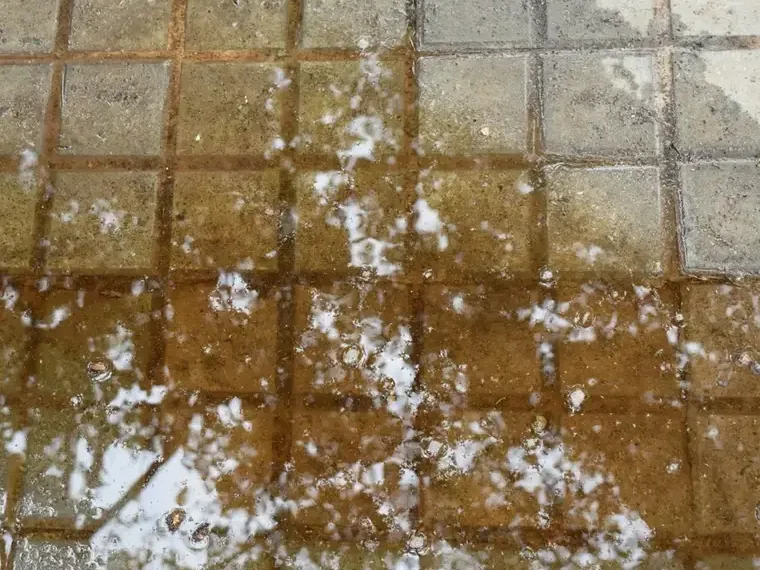
Professional attention for slab leak water damage
Rapid local response
The response team treats active water movement as urgent. Dispatch records the source, affected rooms and safe entry conditions so the extraction plan starts with the actual problem.
IICRC S500 drying standard
The drying team measures wet materials against a dry reference, manages evaporation with extraction and dehumidification, and adjusts equipment as readings change through the drying cycle.
Claim-ready documentation
The restoration technician records visible damage before removal, maps concealed moisture and maintains dated progress notes. That record separates emergency mitigation work from subsequent plumbing or building repairs.
Local water experts
The inspection follows the route water took through the property. Floor transitions, wall cavities and concealed layers receive attention even when the visible puddle occupies only a small area.
First steps for slab leak water damage
Keep the first evidence visible
Photograph damp seams, lifted edges and nearby wall bases from a safe position. Avoid covering the affected floor with rugs before the inspection can map it.
Arrange source diagnosis
A plumber should evaluate the suspected supply problem. Keep repair findings and photographs available so the restoration scope can distinguish the source from resulting material damage.
Limit traffic across loose finishes
Lifted tiles or uneven flooring can create a fall hazard. A dry alternate route protects occupants while material stability and access requirements are being assessed.
Identify the floor layers
Tell the inspector about any known covering changes or accessible edges. The actual assembly determines whether moisture can be reached without a broader removal area.
What does slab leak water damage cost in Union City, GA?
Union City slab leak damage costs reflect the layers affected, the access needed and the area requiring drying. The ranges below concern interior restoration planning; plumbing diagnosis, pipe repair and replacement finishes should be separately described in the estimate.
Limited floor damage
$1,500 to $2,800
- Localized wet finish
- Reachable substrate checks
- Small drying area
Floor and wall edges
$2,800 to $5,000
- Adjoining material assessment
- Selective edge openings
- Connected moisture monitoring
Extensive trapped moisture
$5,000 to $7,500+
- Broader layer access
- Multiple affected assemblies
- Detailed repair handoff
Water category, wet area, material class and the delay before drying shape the scope. The water damage cost calculator provides an estimate only.
Documentation for your insurance claim
The claim file contains a moisture map, daily psychrometric logs, timestamped pre-demolition photos and a line-item scope. The restoration team records the water category and affected material class. Sudden accidental leaks, outside flooding and sewer backups can receive different treatment under a policy. The policyholder checks coverage and deductibles with the insurer before assuming any payment.
How slab leak water damage is handled
The restoration plan follows the source, the wet materials and the measurements taken through each stage.
Compare source and spread
Plumbing findings are reviewed alongside the interior moisture map. The inspection marks wet materials beyond the repair opening and records areas that cannot yet be reached.
Agree on selective access
The removal plan identifies a purpose for each opening. Retained finishes, contents protection and the path for moving debris are considered before work begins.
Dry the exposed assembly
Equipment serves the layers left in place after access work. Repeated observations show whether the substrate responds or whether an additional concealed pocket needs attention.
Record the floor condition
The closing record distinguishes source repair, moisture treatment and reconstruction needs. Floor installers can use that handoff when evaluating the surface for a new finish.
More about slab leak water damage in Union City
A damp grout joint or lifting floor edge can be the first visible sign of a larger concealed release. For a Union City property with a suspected slab leak, plumbing diagnosis and interior damage assessment answer different questions. One identifies the failed component; the other establishes which materials absorbed water and what access is needed to treat them.
Separate the pipe location from the wet footprint
The repaired pipe opening may be much smaller than the affected floor area. Water can travel between layers before becoming visible. A useful inspection compares the suspected source area with adjacent surfaces and wall bases, marking where readings change rather than assuming the damage ends at the plumbing excavation.
- Record the first damp location before furniture hides it again.
- Note changes in flooring appearance without removing attached pieces prematurely.
- Keep plumbing findings with the room map and initial moisture readings.
At The Enclave at Whitewater Creek, townhomes provide a setting for individual room records. An affected property's actual floor assembly determines the inspection route. The work scope should name the finish and substrate found there, along with any areas that remain inaccessible until the plumbing repair or contents movement is complete.
Choose openings for a specific purpose
Removing a finish should solve an identified access problem. A tightly attached covering may conceal moisture that air cannot readily reach, while an accessible edge may allow further evaluation before a larger removal decision. The proposed opening needs a clear explanation of the wet layer, the access required and the effect on later repairs.
For a household near Flat Shoals Road, entry instructions are useful alongside the room details. A protected route can keep extraction hoses and removed materials away from dry furnishings. Photographs taken before opening the floor help distinguish water damage from the necessary disturbance created while reaching the source or wet substrate.
- Describe which layers are wet and which will be retained.
- Identify a place for removed material outside the occupied pathway.
- List finish replacement separately from the work to remove moisture.
Water still affecting the floor?
Explain where moisture first appeared and whether a plumber has inspected the supply system. Those details help connect the repair findings with the floor layers still needing attention.
(888) 532-4616Discuss the damp floor layersCheck the substrate before covering it again
A repaired supply component does not dry the material surrounding it. After source control, the plan should address residual moisture and compare repeated readings at consistent locations. Drying the retained structure can require changes in airflow or access when the exposed surface improves but deeper layers continue holding water.
Ronald Bridges Park & Nature Trail offers another familiar location reference for arranging an inspection. Inside the property, the decisive record is the condition of the floor assembly. Before a new covering is installed, the restoration handoff should explain the drying observations, any remaining access limitations and the areas reserved for reconstruction.
Leave destructive investigation to the appropriate trade
Do not drill into a floor or cut a wall simply to search for a pipe. Concealed services and unstable wet finishes need an assessed access plan. Keep the affected area clear, avoid wet electrical equipment and let plumbing diagnosis establish where source repair is required before additional materials are disturbed.
Slab leak water damage in Union City
For a property near Mayor's Park, note where dampness first appeared and which rooms connect to it. An inspection can then follow the floor layout instead of relying on the apparent source alone.
The same service nearby: slab leak water damage in Lithia Springs, Villa Rica, Hiram.
Related water damage services in Union City
Slab Leak Water Damage questions
Talk through the wet areas
Explain where moisture first appeared and whether a plumber has inspected the supply system. Those details help connect the repair findings with the floor layers still needing attention.
(888) 532-4616Discuss the damp floor layersIs damp grout enough to identify a slab leak?
Damp grout is a reason to investigate, but the source needs plumbing evaluation. The restoration inspection records affected surfaces and moisture spread while the appropriate trade determines where water is entering and what component needs repair.
Will repairing the pipe fix the floor damage?
Pipe repair stops the release at its source. Moisture already inside flooring or wall edges needs separate assessment and treatment. The floor may also need reconstruction after drying, depending on its condition and the access required for repair.
Does every covering need to come out?
Removal depends on the material, attachment method and ability to reach trapped water. The scope should explain why a layer can remain or why access beneath it is necessary, with photographs showing conditions before removal changes the surface.
Why inspect wall bases during a floor leak?
Moisture can collect at the perimeter and enter nearby porous materials. Checking wall bases helps define the complete loss rather than treating only the central floor area, especially when the visible wet patch has already been wiped away.
Can a new floor go over a damp substrate?
The substrate needs an appropriate condition assessment before it receives a new finish. A surface that feels dry can still retain moisture underneath, so drying records and the installer's material requirements should inform the decision to proceed.
What should the written scope separate?
It should distinguish plumbing investigation, source repair, access work, drying and finish reconstruction. Clear separation helps a household understand which trade handles each task and whether a quoted allowance includes replacement materials or only treatment of the wet assembly.
A repaired pipe needs a separate drying record
An interior assessment can establish the wet boundary, explain access choices and prepare the affected floor for the next repair stage.
(888) 532-4616Arrange a substrate assessment