Slab Leak Water Damage in Hiram, GA
Damp grout, lifting flooring or unexplained moisture along a wall deserves a source investigation. Hiram slab leak restoration evaluates the installed foundation and affected floor layers before plumbing access and material drying are planned.
(888) 532-4616Discuss moisture beneath the floor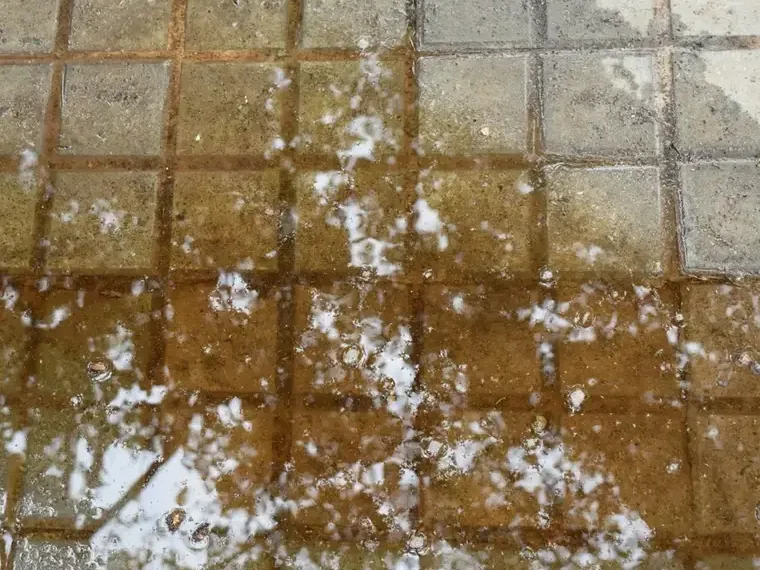
Professional attention for slab leak water damage
Rapid local response
The response team treats active water movement as urgent. Dispatch records the source, affected rooms and safe entry conditions so the extraction plan starts with the actual problem.
IICRC S500 drying standard
The drying team measures wet materials against a dry reference, manages evaporation with extraction and dehumidification, and adjusts equipment as readings change through the drying cycle.
Claim-ready documentation
The restoration technician records visible damage before removal, maps concealed moisture and maintains dated progress notes. That record separates emergency mitigation work from subsequent plumbing or building repairs.
Local water experts
The inspection follows the route water took through the property. Floor transitions, wall cavities and concealed layers receive attention even when the visible puddle occupies only a small area.
First steps for slab leak water damage
Record the floor symptoms
Photograph damp joints, lifted edges and nearby wall damage from a safe position. Note when the changes appeared and which surfaces remain wet after ordinary water use stops.
Arrange qualified source investigation
Describe any plumbing assessment already completed and whether the supply has been isolated. The repair location should be established before flooring or concrete is opened for access.
Identify fixed obstructions
Point out cabinets, heavy furnishings and built-ins beside the wet area. These items can restrict inspection and should be considered before equipment or removal work occupies the room.
Keep repair records together
Retain source findings, access photographs and material estimates. A shared record helps coordinate the plumbing repair with removal, drying and the later replacement of damaged floor finishes.
What does slab leak water damage cost in Hiram, GA?
Slab leak restoration in Hiram uses listed damage scopes from $1,500 to $7,500+. Floor layers, wall migration and access affect the estimate. Plumbing diagnosis, slab opening and pipe repair should be clearly distinguished from water removal, material drying and finish replacement.
Limited floor damage
$1,500 to $2,800
- Defined affected covering
- Accessible perimeter checks
- Localized drying decisions
Floor and wall edges
$2,800 to $5,000
- Connected material moisture
- Wall base assessment
- More involved removal
Extensive trapped moisture
$5,000 to $7,500+
- Several concealed layers
- Restricted floor access
- Expanded restoration footprint
Water category, wet area, material class and the delay before drying shape the scope. The water damage cost calculator provides an estimate only.
Documentation for your insurance claim
The claim file contains a moisture map, daily psychrometric logs, timestamped pre-demolition photos and a line-item scope. The restoration team records the water category and affected material class. Sudden accidental leaks, outside flooding and sewer backups can receive different treatment under a policy. The policyholder checks coverage and deductibles with the insurer before assuming any payment.
How slab leak water damage is handled
The restoration plan follows the source, the wet materials and the measurements taken through each stage.
Connect source and material findings
The assessment records the plumber's source investigation alongside visible and measured floor damage. The actual foundation and coverings determine the restoration access discussion.
Define affected layers
Floor finishes, accessible underlayment and wall bases are evaluated together. Selective removal is proposed where damage or restricted access prevents suitable drying of retained materials.
Dry after source correction
Accessible water is removed and the remaining assembly receives a drying plan. Equipment and monitoring respond to the materials exposed during repair and restoration work.
Explain the flooring handoff
The final record distinguishes source repair, removed finishes and retained material condition. Replacement flooring follows the assembly's readiness and the requirements of the selected finish.
More about slab leak water damage in Hiram
A damp joint in a tiled floor may be the first visible sign of a problem beneath the finish. Before any concrete or flooring is opened, the source and the building's foundation need investigation. Hiram slab leak restoration connects the plumber's findings with the floor and wall materials that absorbed the escaping water.
Establish the source before planning destructive access
Hiram Park includes single-family homes and townhouses. At a property there, inspection should establish the actual foundation and installed floor layers before a slab access method is selected. The leak location, available piping access and ownership responsibilities all belong in the discussion with the qualified plumbing professional.
Madison Place includes new single-family construction, and Echols Farm includes single-family homes and new construction. At either location, a finish that appears intact may cover damp underlayment or adhesive. Restoration decisions should follow the observed water route and material readings rather than an assumption about how recently the building was constructed.
- Record the first wet grout joint, floor edge or swollen trim section.
- Keep the plumbing investigation findings separate from the indoor damage map.
- Identify fixed cabinets or built-ins that limit access to affected floor layers.
Assess what the floor finish conceals
Water can spread between layers and appear at a joint far from the pipe repair location. A small access opening therefore does not necessarily define the restoration area. Moisture checks should include adjoining floor edges and wall bases, with selective inspection where coverings prevent a useful view of the retained assembly.
Some flooring may need removal because it is damaged or because it blocks drying beneath it. The scope should state the reason for that decision and identify the layers that remain. Adhesive condition, trapped moisture and the requirements of the replacement finish matter when planning how the floor will be reinstated.
- Compare material readings across the boundary of the visible floor damage.
- Inspect wall bases where moisture may have moved beyond the repair opening.
- Document removed layers before debris handling changes the original floor assembly.
Water still affecting the floor?
A floor showing unexplained moisture needs a source assessment and a separate material plan. Describe the wet edges, floor covering and any plumbing findings already available for the property.
(888) 532-4616Arrange a slab damage assessmentCoordinate pipe repair with the drying handoff
Paulding County Building and Permitting Division issues plumbing permits, and county inspectors inspect work under the permits the division issues. The plumbing professional should handle the requirements associated with the source repair. Restoration documentation separately records affected building materials, removal decisions and the drying work needed after the source is corrected.
The structural drying plan addresses retained moisture after accessible water is removed. Floor replacement should follow the condition of the underlying assembly and the requirements of the chosen finish. Closing the pipe opening and installing a new surface are different decisions, each requiring the relevant trade's assessment.
The homeowner should receive a clear distinction between plumbing costs and restoration work. That record makes it easier to understand which opening repairs the pipe, which material removal addresses water damage and what remains necessary before the room can be rebuilt.
Leave slab openings to the responsible trades
Occupants should not drill or break flooring to investigate a suspected pipe beneath it. Concealed services and unstable wet finishes require qualified assessment. Keep people away from lifted flooring and electrical areas, and arrange safe source investigation before any opening or equipment placement changes the affected room.
Slab leak water damage in Hiram
Slab leak assessments include homes around Hiram Park Drive and properties in Madison Place. Describe changes in floor appearance, source investigation already completed and any restrictions on opening affected finishes.
The same service nearby: slab leak water damage in Lithia Springs, Acworth, Villa Rica.
Related water damage services in Hiram
Slab Leak Water Damage questions
Talk through the wet areas
A floor showing unexplained moisture needs a source assessment and a separate material plan. Describe the wet edges, floor covering and any plumbing findings already available for the property.
(888) 532-4616Arrange a slab damage assessmentDoes damp grout always identify a slab leak?
Damp grout calls for a source investigation because several routes can wet a floor. A qualified plumbing assessment and material inspection should establish the problem before slab access is planned. The visible joint alone cannot locate the failed pipe.
Do nearby homes share one foundation type?
The foundation must be established at the individual property. Nearby housing includes both houses and townhouses, so access and ownership arrangements also need assessment. Restoration planning follows the installed assembly and the plumbing findings at the affected home.
Is the pipe repair opening the whole damaged area?
Not necessarily. Water can spread beneath flooring and along wall bases beyond the access opening. Material checks should extend across that footprint so restoration does not stop at the place where the plumber reaches the pipe.
Why might intact flooring need to be lifted?
A covering may obstruct access to wet underlayment or retain moisture beneath an apparently sound surface. The assessment should explain the material condition and access issue. Removal decisions should connect directly to damage or the requirements for drying.
Who addresses plumbing permits for source repair?
Paulding County Building and Permitting Division issues plumbing permits, with county inspection of permitted work. The responsible plumbing professional should address the requirements for the proposed repair. The restoration scope separately documents wet materials and drying decisions around that work.
When should the replacement floor be installed?
Installation should follow source correction and evaluation of the retained layers for the selected finish. The drying record should identify remaining concerns before the new covering conceals the assembly. The floor assembly needs its own moisture assessment after the pipe repair is completed.
Connect the pipe repair with the floor recovery
A documented scope separates necessary access from damaged material removal and explains how the retained floor assembly will be evaluated before replacement.
(888) 532-4616Discuss the affected floor layers