Slab Leak Water Damage in Acworth
A damp floor may be the first visible sign of a concealed supply failure. Finding the leak and identifying the floor assembly come before choosing an opening or a drying method.
(888) 532-4616Discuss moisture beneath the flooring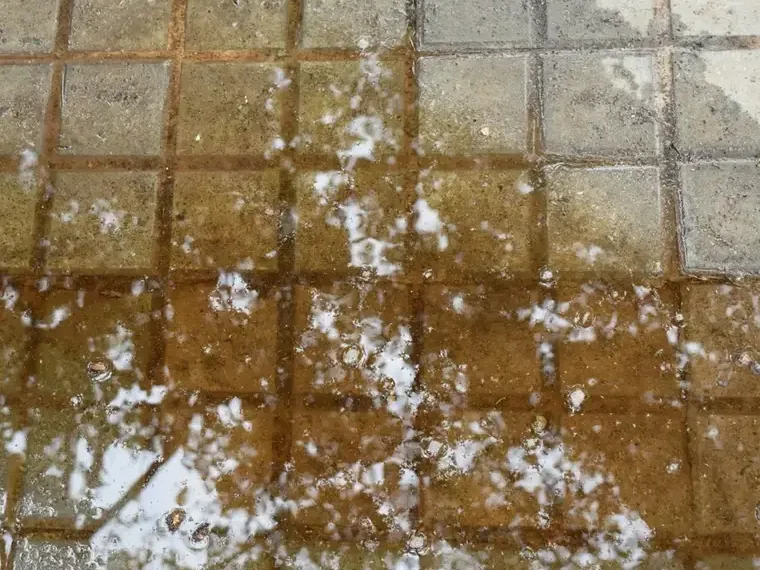
Professional attention for slab leak water damage
Rapid local response
The response team treats active water movement as urgent. Dispatch records the source, affected rooms and safe entry conditions so the extraction plan starts with the actual problem.
IICRC S500 drying standard
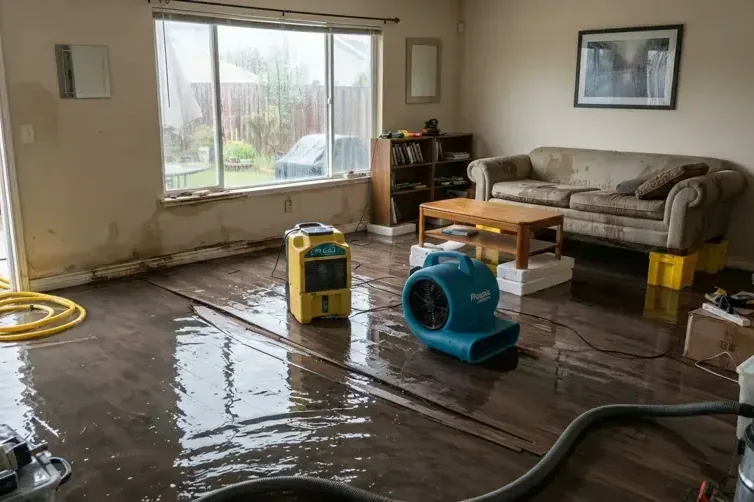
The drying team measures wet materials against a dry reference, manages evaporation with extraction and dehumidification, and adjusts equipment as readings change through the drying cycle.
Claim-ready documentation
The restoration technician records visible damage before removal, maps concealed moisture and maintains dated progress notes. That record separates emergency mitigation work from subsequent plumbing or building repairs.
Local water experts
The inspection follows the route water took through the property. Floor transitions, wall cavities and concealed layers receive attention even when the visible puddle occupies only a small area.
First steps for slab leak water damage
Mark the visible change
Photograph damp joints, lifted flooring and nearby trim from several safe viewpoints. Record the discovery location before towels or furniture obscure the original pattern.
Limit continuing supply flow
If a safely reachable shutoff controls the suspected leak, isolate it. Do not dismantle valves or break flooring while the supply path remains uncertain.
Arrange concealed leak location
Describe the suspected source and visible damage together. Plumbing access should be planned alongside moisture inspection so the resulting opening serves a defined purpose.
Keep floor edges accessible
Remove only dry, easily handled belongings from the work area. Leave swollen flooring and fixed cabinets in place until their condition and removal needs are assessed.
What does slab leak water damage cost in Acworth, GA?
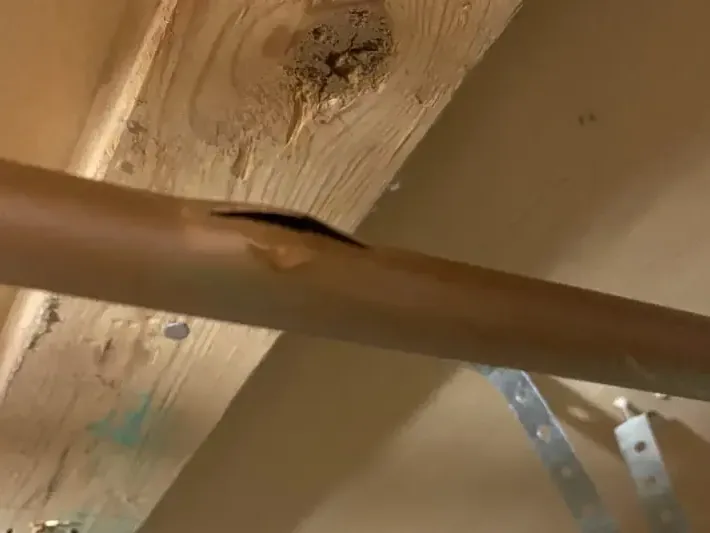
Acworth slab leak damage pricing depends on the affected floor assembly, wet wall edges and access needed for recovery. These ranges describe restoration planning; pipe location, plumbing repair and replacement finishes should be identified separately in the written scope.
Limited floor damage
$1,500 to $2,800
- Small affected finish
- Accessible moisture perimeter
- Focused material evaluation
Floor and wall edges
$2,800 to $5,000
- Wet adjoining trim
- Additional layer access
- Broader drying setup
Extensive trapped moisture
$5,000 to $7,500+
- Multiple concealed pockets
- Larger removal footprint
- Complex drying monitoring
Water category, wet area, material class and the delay before drying shape the scope. The water damage cost calculator provides an estimate only.
Documentation for your insurance claim
The claim file contains a moisture map, daily psychrometric logs, timestamped pre-demolition photos and a line-item scope. The restoration team records the water category and affected material class. Sudden accidental leaks, outside flooding and sewer backups can receive different treatment under a policy. The policyholder checks coverage and deductibles with the insurer before assuming any payment.
How slab leak water damage is handled
The restoration plan follows the source, the wet materials and the measurements taken through each stage.
Map floor symptoms
Inspection compares visible changes with material readings and establishes the foundation arrangement. Suspected wet areas are documented before any opening changes the floor surface.
Coordinate repair access
The plumbing and restoration scopes identify where the source can be reached and where wet materials need exposure, reducing confusion about the purpose of removal.
Dry exposed assemblies
After the release is controlled, equipment addresses retained moisture in suitable materials. Readings determine whether additional access or a different drying arrangement is necessary.
Prepare the finish record
The handoff describes source correction, removal limits and measured drying progress. Outstanding preparation or replacement work remains clearly assigned to the appropriate repair scope.
More about slab leak water damage in Acworth
Moisture appearing at a grout joint does not reveal the full path of a leak. Water may spread below a finish before finding an opening to the surface. In Acworth, the first assessment should establish the foundation and supply arrangement at the particular property, then coordinate leak location with inspection of the affected floor and adjoining wall bases.
Choose the opening after locating the problem
Collins Avenue Historic District is a local landmark, while Main Street runs through the city center. A property description using either reference helps locate the appointment; the building inspection determines how concealed plumbing can be reached. The access plan needs to account for finished surfaces, nearby utilities and the material that must remain protected during repair.
- Record where dampness first appears and where its edge continues expanding.
- Separate suspected supply failure from water arriving at the floor from above.
- Coordinate the proposed opening with the contractor responsible for source repair.
Opening a broad section of floor before establishing the source can create avoidable repair work. The restoration scope should instead explain what needs exposure for moisture assessment and what access is needed for plumbing. These tasks may overlap, but they have different purposes and should remain identifiable in the estimate and photographic record.
Inspect beyond the most noticeable tile joint
Finished flooring can conceal water against its backing or the material below. At a property near Dallas Landing, as elsewhere in the city, inspection should follow moisture across the actual room layout. Baseboards, cabinet ends and adjacent closets deserve attention when readings or visible changes suggest the water continued beyond the original discovery point.
- Inspect lifted edges or softened trim without forcing unstable materials back down.
- Check floor transitions for retained moisture beneath the next covering.
- Document inaccessible sections that need another opening before drying can progress.
Material condition affects what can remain. A covering that has lost its bond or shape may need removal even after the source is repaired. Other assemblies may respond to controlled drying once the wet layer is accessible. The explanation should connect each removal decision to damage, contamination or access rather than treating the entire room alike.
Water still affecting the floor?
A damp seam or lifting floor deserves a source investigation before a large opening is made. Describe the visible pattern and any changes in adjoining rooms when arranging an assessment.
(888) 532-4616Discuss a concealed floor leakLet the floor condition control the rebuild handoff
Repair of the failed pipe stops new water but does not remove moisture already held in surrounding materials. Structural drying uses readings to follow that remaining load. Replacement flooring needs a prepared, dry substrate, especially where a dense finish limits evaporation from the layers beneath it.
- Keep the original wet area marked through the source repair process.
- Track comparable measurement locations so progress can be evaluated consistently.
- Confirm the flooring contractor's preparation requirements before new materials are installed.
The final record should identify the repaired source, opened areas and any conditions still affecting installation. This allows the next contractor to understand what has been done without relying on the disappearance of a visible stain. A clear division between cleanup, plumbing and finish work also makes later scope changes easier to discuss.
Avoid exploratory cutting through the floor
Do not drill or cut into a suspected leak area to search for the pipe. Concealed utilities and unstable wet finishes require an assessed access method. Keep people away from lifting or slippery surfaces until the source and repair route are established.
Slab leak water damage in Acworth
Assessments begin with the building's actual foundation and the route to affected rooms. A city location or postal label should be paired with entry details and the visible damage description.
The same service nearby: slab leak water damage in Lithia Springs, Hiram, Villa Rica.
Related water damage services in Acworth
Slab Leak Water Damage questions
Talk through the wet areas
A damp seam or lifting floor deserves a source investigation before a large opening is made. Describe the visible pattern and any changes in adjoining rooms when arranging an assessment.
(888) 532-4616Discuss a concealed floor leakDoes water between tiles always mean a slab leak?
No. Water can reach floor joints from several sources, including nearby fixtures or an overhead release. The assessment should trace the supply and drainage arrangement before assigning a cause or choosing where a floor opening belongs.
Must every floor covering be removed?
Removal depends on the material condition and the ability to reach trapped moisture. Some coverings may remain while others have lost adhesion or shape. The estimate should explain those differences by area rather than applying one decision throughout.
Can plumbing repair finish the restoration work?
Stopping the leak addresses the source. Moisture already inside flooring, trim or wall bases still requires assessment. Cleanup and drying can continue after plumbing work, with finish replacement scheduled around the condition of the affected assembly.
What helps explain a concealed leak during the first call?
Describe where dampness appeared, whether it spreads and which adjoining surfaces have changed. Mention any known shutoff action and the room's floor covering. Photographs of the original pattern are useful even when the visible water later disappears.
Is heat at the floor enough to locate the failure?
An unusual warm area can be a useful observation, but repair access should follow a qualified location assessment. The full plumbing arrangement and surrounding moisture pattern matter when distinguishing a concealed supply issue from other sources of water.
When can new flooring be discussed?
Planning can begin early, but installation should wait for source correction and appropriate preparation of the affected layers. The restoration record should give the flooring contractor moisture information and removal details relevant to the proposed replacement material.
Plan access around the actual water path
A coordinated recovery scope keeps pipe repair, material drying and replacement flooring connected while explaining the separate work each stage requires.
(888) 532-4616Arrange floor moisture assessment