Slab Leak Water Damage in Villa Rica
Moisture coming through a finished floor needs a location check before demolition. When a pipe beneath concrete is leaking, restoration follows the wet assembly while plumbing work addresses the release.
(888) 532-4616Discuss moisture beneath the flooring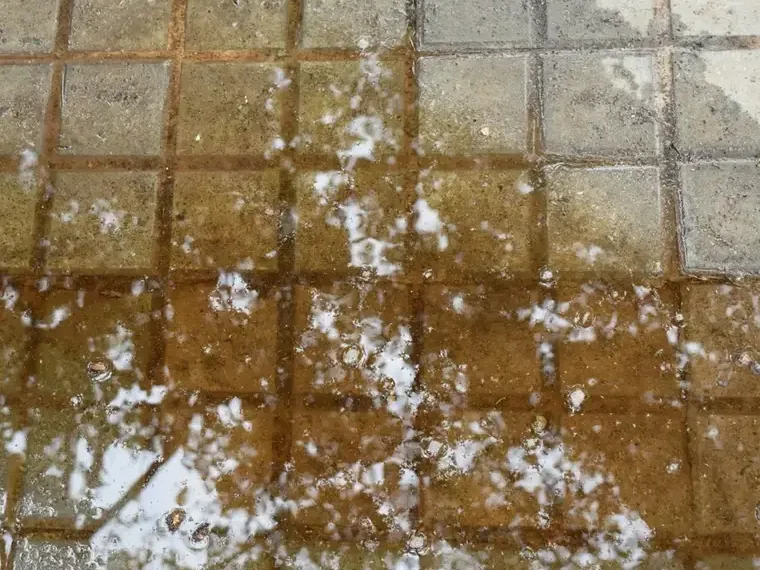
Professional attention for slab leak water damage
Rapid local response
The response team treats active water movement as urgent. Dispatch records the source, affected rooms and safe entry conditions so the extraction plan starts with the actual problem.
IICRC S500 drying standard
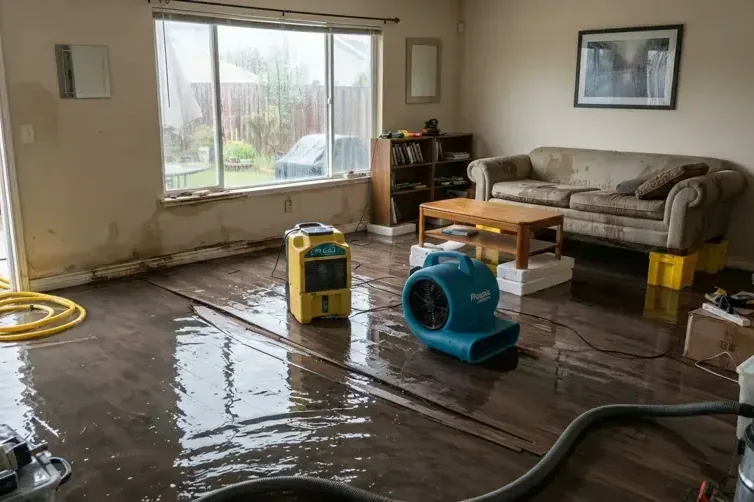
The drying team measures wet materials against a dry reference, manages evaporation with extraction and dehumidification, and adjusts equipment as readings change through the drying cycle.
Claim-ready documentation
The restoration technician records visible damage before removal, maps concealed moisture and maintains dated progress notes. That record separates emergency mitigation work from subsequent plumbing or building repairs.
Local water experts
The inspection follows the route water took through the property. Floor transitions, wall cavities and concealed layers receive attention even when the visible puddle occupies only a small area.
First steps for slab leak water damage
Record floor changes
Note where damp joints, softened edges or lifted coverings first appeared. Photograph those locations without pulling adhered material or cutting into the floor assembly.
Arrange source identification
Describe whether moisture returns after wiping and whether an accessible supply shutoff changes the flow. The plumbing assessment should establish the leak location before demolition.
Protect the work area
Keep belongings away from loose floor edges and potential access openings. Avoid placing rugs over damp spots because they obscure the condition during inspection.
Clarify the repair sequence
Ask which opening serves the pipe repair and which materials need restoration access. A coordinated sequence reduces confusion about what must dry before finishes return.
What does slab leak water damage cost in Villa Rica, GA?
Slab leak water damage cleanup in Villa Rica depends on how far moisture has traveled beneath finishes, the materials affected and access needed for drying. Pipe location, plumbing repair and new flooring should be identified separately in the estimate.
Limited floor damage
$1,500 to $2,800
- Contained affected covering
- Accessible wet edges
- Initial floor monitoring
Floor and wall edges
$2,800 to $5,000
- Connected material layers
- Lower wall assessment
- Additional drying access
Extensive trapped moisture
$5,000 to $7,500+
- Broader concealed spread
- Multiple wet assemblies
- Extended material evaluation
Water category, wet area, material class and the delay before drying shape the scope. The water damage cost calculator provides an estimate only.
Documentation for your insurance claim
The claim file contains a moisture map, daily psychrometric logs, timestamped pre-demolition photos and a line-item scope. The restoration team records the water category and affected material class. Sudden accidental leaks, outside flooding and sewer backups can receive different treatment under a policy. The policyholder checks coverage and deductibles with the insurer before assuming any payment.
How slab leak water damage is handled
The restoration plan follows the source, the wet materials and the measurements taken through each stage.
Define the assembly
The assessment records the actual floor construction, observed moisture and plumbing findings. These establish where repair access and interior mitigation need to intersect within the property.
Expose affected layers
Unsuitable coverings and required access sections are identified before removal. The aim is to reach damaged or wet materials while preserving serviceable surfaces wherever practical.
Control retained moisture
Drying equipment addresses the exposed assembly and adjoining material edges. Readings show whether moisture is reducing beyond the immediate plumbing opening and visible damp area.
Prepare for reinstatement
The record distinguishes completed source correction from remaining finish repairs. Material conditions are checked before adhesives, underlayment or replacement coverings conceal the assembly again.
More about slab leak water damage in Villa Rica
A damp tile joint is a symptom, not a repair location. At a Camden Lake property, the assessment first establishes the floor construction and the source of moisture. If a leaking pipe beneath the slab is identified, the plumbing repair and interior restoration need coordinated access. Opening the floor solely at the darkest mark can miss the actual release.
Separate leak location from the damaged footprint
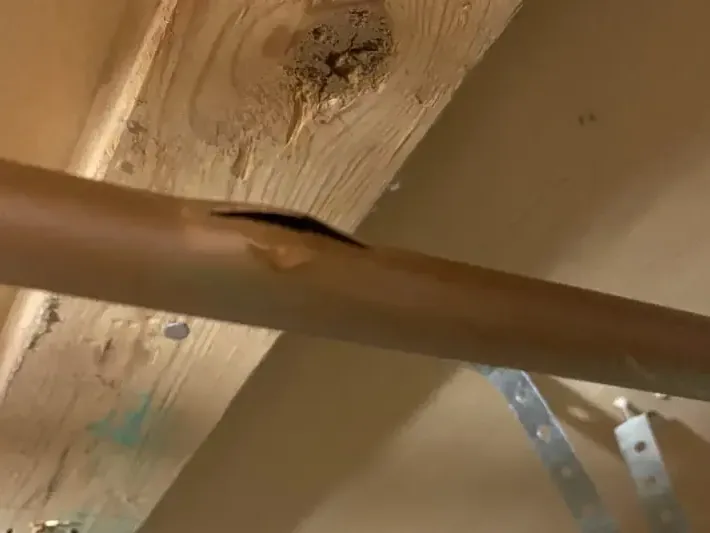
Water escaping below concrete may reach flooring through joints, openings or connected layers. The point where it becomes visible can differ from the pipe defect. A plumbing investigation locates the source while moisture mapping defines the interior damage. Both findings belong in the plan before large areas of finished flooring are disturbed.
- Document damp joints, lifting edges and wet transitions between floor materials.
- Identify the inspected slab and any openings already made for pipe access.
- Keep leak repair needs separate from the area requiring interior material drying.
The same approach applies to a Chipley Creek home: the property name identifies the location, while inspection identifies the foundation and pipe arrangement. Floor access should be proportionate to the actual findings. An estimate can explain what must open for plumbing and what additional access is necessary to address water held beneath finishes.
Evaluate the layers that trap moisture
A finished floor may conceal underlayment, adhesive and other materials with different drying behavior. Lifting or loss of adhesion changes whether a covering can remain. Wall bases and built-in cabinet edges can also absorb water from the floor. Each of these surfaces needs a condition check rather than a single reading taken on top.
- Check lower wall edges where wet flooring meets an enclosed cavity.
- Assess material attachment and swelling before promising to retain a covering.
- Record cabinet contact points that may hide dampness beyond the open floor.
Wicks Tavern provides a local example of timber-framed construction. At the damaged building itself, the restoration plan must identify whether wood, concrete or other materials are actually affected. A drying method selected for exposed timber will not necessarily address moisture trapped beneath an adhered floor covering or inside an adjoining wall base.
Water still affecting the floor?
A damp floor deserves a source location and a material assessment. Explain where moisture appears and which finishes have changed before deciding how the room should be opened.
(888) 532-4616Review the damp floor changesCoordinate repair access with controlled drying
After the pipe release is stopped, the opened area still needs assessment. Water can remain in floor layers away from the repair opening. Removal of damaged finishes, extraction where liquid remains and controlled drying should follow the mapped footprint. The repair record and drying record describe different parts of getting the room ready for restoration.
- Confirm that plumbing work has stopped the release before closing repair access.
- Measure retained floor materials at representative wet locations and unaffected comparisons.
- Delay new finishes until the receiving assembly meets the relevant material requirements.
A clear scope explains who handles pipe work, who restores the wet interior and which finishes await replacement. The structural drying page covers monitoring retained materials after access is established. Decisions should follow the condition of the complete assembly rather than the appearance of the repaired plumbing opening alone.
Do not cut blindly into a damp floor
Concealed utilities and uncertain construction make exploratory cutting unsuitable as a homeowner first step. Restrict access around loose flooring and keep electrical equipment away from wet surfaces. Photographs of visible changes are useful while qualified source inspection and safe access are arranged before any destructive opening proceeds.
Slab leak water damage in Villa Rica
Camden Lake, Chipley Creek and other Villa Rica locations can be discussed when arranging an assessment. The inspected foundation, pipe location and wet materials establish the work required at each property.
The same service nearby: slab leak water damage in Lithia Springs, Hiram, Union City.
Related water damage services in Villa Rica
Slab Leak Water Damage questions
Talk through the wet areas
A damp floor deserves a source location and a material assessment. Explain where moisture appears and which finishes have changed before deciding how the room should be opened.
(888) 532-4616Review the damp floor changesDoes moisture at a tile joint identify the leak?
The visible joint shows where water reached the surface. The release may be elsewhere beneath the floor. Plumbing location and moisture mapping serve separate purposes, helping determine both the repair opening and the extent of damaged interior material.
Will the whole floor need to come up?
The answer depends on the affected layers, adhesion and drying access. A limited opening may be suitable in one assembly, while another covering cannot remain once damaged. The proposed removal area should be explained using the actual inspection findings.
Is pipe repair included in the cleanup cost?
The estimate should state that explicitly. Source location and plumbing correction differ from extraction, material removal and drying. Keeping those responsibilities visible makes it easier to coordinate the trades and understand which work restores the room after the release stops.
Can a floor look dry while the assembly stays wet?
A surface can lose visible moisture while underlayment or wall contact points remain damp. Readings at suitable depths and locations help identify that condition. Replacement finishes should follow material readiness rather than a quick visual check of the top surface.
Should a damp floor be covered until inspection?
Covering the area can conceal changes and restrict drying at the surface. Keep unnecessary items away and avoid walking on loose edges. A safe, accessible view of the affected floor helps the inspection document its condition before any material removal.
What connects a slab leak with wall damage?
Water beneath a floor can reach wall bases through adjoining material joints. The lower wall may absorb moisture even when the main stain is farther away. Inspection should follow those connections and include cavities that cannot be judged from the painted face.
Plan the pipe access and interior recovery together
Clear responsibilities for plumbing, material removal and drying help keep the repair opening connected to the complete water damage scope.
(888) 532-4616Discuss the floor restoration sequence