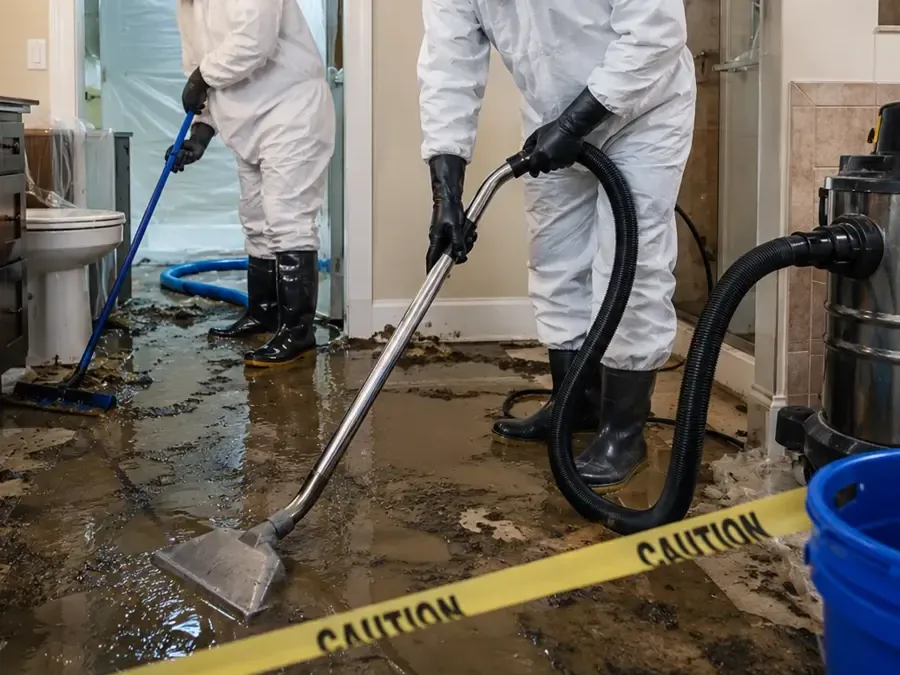
An indoor sewage backup needs a clear report and a protected work area. Cobb County Water System directs reports of backups in homes or streets to emergency dispatch. Acworth also has a documented public sewage incident from August 2024 at Lake Acworth. For a household facing wastewater today, the immediate task is to describe the affected fixtures and rooms while keeping people away from the contamination.
Key takeaways
- Wastewater in a room calls for restricted access before belongings are handled.
- A report should distinguish an indoor fixture overflow from sewage observed outdoors.
- A drain investigation and cleanup of exposed materials solve different parts of the loss.
- Contaminated items need a planned handling route that protects clean rooms.
- Cleaning and removal decisions come before drying the structure that remains.
The lake incident is a dated reporting example
August 2024: a sewage spill from a nearby manhole affected Lake Acworth, and access to the Beach at Cauble Park was restricted during that incident. Officials linked the spill to grease clogging a sewer near a creek feeding the lake.
Crews cleared the blockage as the response addressed the affected water area.
The incident also involved a fish kill, a warning and bacteria testing. Those details show how an outdoor wastewater report can lead to several coordinated actions.
A household report should be just as clear about the observed setting, naming an overflowing fixture, a wet floor or sewage visible in the street.
Cobb County Water System handles wastewater collection and treatment and directs backup reports to emergency dispatch. An owner can provide the discovery sequence and any changes in fixture behavior.
The drain professional and cleanup team then have useful observations to work with when they assess the current property.
- Name the place where wastewater is visible now.
- Describe whether the discharge is continuing or has stopped.
- Keep photographs tied to the event when they were taken.
The household should keep a clean side of the doorway
Children, pets and uninvolved occupants should remain outside the affected room. Shoes and carried objects can transfer contaminated material across a threshold, so the team needs a controlled entrance for work.
A closed door or clearly restricted passage can help keep normal household movement away from the area pending assessment.
Residents should avoid using fixtures that appear connected to an active backup until the responsible plumbing professional gives direction. A report describing which fixtures reacted and when can support the investigation.
Attempts to continue routine water use can complicate the visible pattern that the professional needs to examine.
The sewage cleanup response begins with access and contamination boundaries. Personnel assess electrical concerns, unstable materials and the route for removal before handling exposed contents.
The occupant can provide information from a dry location while those work arrangements are established.
- Keep household traffic outside the affected passage.
- Describe fixture behavior to the plumbing professional.
- Leave wet electrical devices and contaminated contents undisturbed.
Fixture observations help organize the drain investigation
An overflow from a toilet, shower or floor drain gives the drain professional a specific starting point. The owner should record the first fixture involved and whether another changed afterward.
A simple sequence is more useful than a diagnosis made before the drainage system has been inspected.
The investigation can require access to rooms or equipment outside the most visibly affected area. The person arranging entry should know which doors are locked and who can authorize work there.
Sharing that information in advance helps keep the repair appointment coordinated with containment and material removal.
Once the drain professional identifies and addresses the source, the findings should be written in the job record. The cleanup team needs to know whether the discharge has stopped and whether any additional work is planned.
This allows treatment of the contaminated rooms to proceed with a clear account of the plumbing status.
Contents handling needs more than a disposal pile
A contaminated room may hold washable hard items, absorbent belongings and objects with inaccessible internal parts. Each presents a different cleaning question.
The assessment should identify the actual exposure and condition before items are assigned to retention, specialist assessment or disposal.
Photographs should show items in place before movement when safe working conditions allow it. A description of the contact surface and visible damage helps explain the handling decision later.
The owner can identify important possessions for discussion without retrieving them through the contaminated work area.
Removed items need a route that keeps the clean household space separate. The water removal operation can be coordinated around that route and the exposed surfaces awaiting treatment.
A clean holding location should remain reserved for items that are appropriate to place there.
- List significant items before they leave the room.
- Record the reason for each disposal recommendation.
- Keep contaminated materials away from untouched storage areas.
Porous finishes and hard surfaces need separate decisions
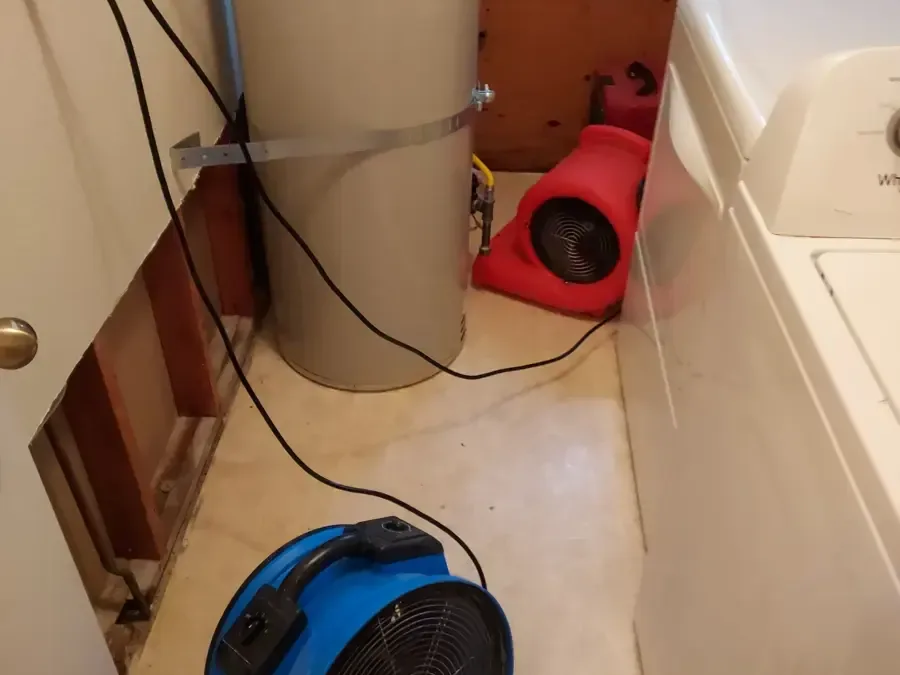
Wastewater contact can affect flooring, wallboard, cabinet edges and concealed absorbent layers. A surface may appear clean after liquid removal while material beneath it remains unsuitable to retain.
The team assesses access, contamination and condition when defining the removal and cleaning scope.
Exposed hard surfaces that are suitable to remain require cleaning appropriate to the loss. That work should be documented by location so the owner can connect it with the areas removed.
Photographs of the exposed assembly help explain what remains beneath the future wall or floor finish.
A retained component should be accessible enough for the assigned treatment and later moisture checks. If a concealed section prevents effective work, the team should explain the additional access needed.
This keeps removal decisions tied to actual conditions and gives the finishing contractor a clearer repair boundary.
- Identify absorbent layers exposed during material removal.
- Document the surfaces retained for cleaning.
- Record openings needed to reach concealed affected areas.
Drying begins with a prepared assembly
Once unsuitable materials are removed and the retained surfaces are treated, the remaining structure can be evaluated for drying. Equipment placement follows the wet framing, flooring or wall components actually left in place.
The plan should make those locations clear to the owner before normal room contents return.
Repeated checks show how retained materials respond. The structural drying service documents the monitored positions and adjusts the work as necessary.
An odor change or a cleaner appearance should be recorded alongside that material information rather than used as the entire completion record.
A household can help preserve access by keeping belongings away from marked locations and equipment. The team should explain any remaining restrictions between visits and how a needed item can be retrieved.
This makes the occupied home more manageable while the affected area remains a controlled work zone.
The final packet should show the whole response
A useful closing file starts with the original fixture report and the drain professional's findings. It then connects the affected rooms with contents decisions, removed finishes, cleaned surfaces and the final material readings.
The owner can follow how the job moved from active wastewater to a prepared repair area.
The repair list should distinguish plumbing tasks from finish replacement. An exposed wall may be ready for rebuilding while another item still awaits specialist attention.
Giving each remaining task a clear location and responsible contact prevents the last parts of the recovery from becoming lost between trades.
Acworth households can retain that packet with the property maintenance records. If another drainage issue occurs, the prior fixture sequence and repair description provide a useful reference for the new inspection.
The record also preserves which materials were replaced and which original components remained after this loss.
Questions
What information belongs in a backup report?
The report should identify the overflowing fixture or outdoor location, the discovery time and whether the discharge continues. Observations about another affected fixture can help the responding professional organize the inspection.
Should an occupant carry wet belongings through the house?
Handling should wait for a planned route and an assessment of the item. This keeps exposed objects from spreading contamination into rooms that remain available for normal household use.
Why can cleanup continue after a blockage is cleared?
Correcting drainage stops or addresses the source, but wastewater already in the building still requires treatment. Contents, absorbent finishes and retained structure each need attention according to their exposure.
What should a rebuilding contractor receive?
A location based list of removed materials, cleaned surfaces and final moisture conditions helps define the repair. Plumbing findings and any outstanding access requirements should accompany that list.