Ceiling Leak Water Damage in Hiram
A brown ring, soft joint or spreading ceiling bubble needs more than a cosmetic patch. Hiram ceiling leak work identifies the source above and the condition of the concealed cavity.
(888) 532-4616Discuss an overhead water stain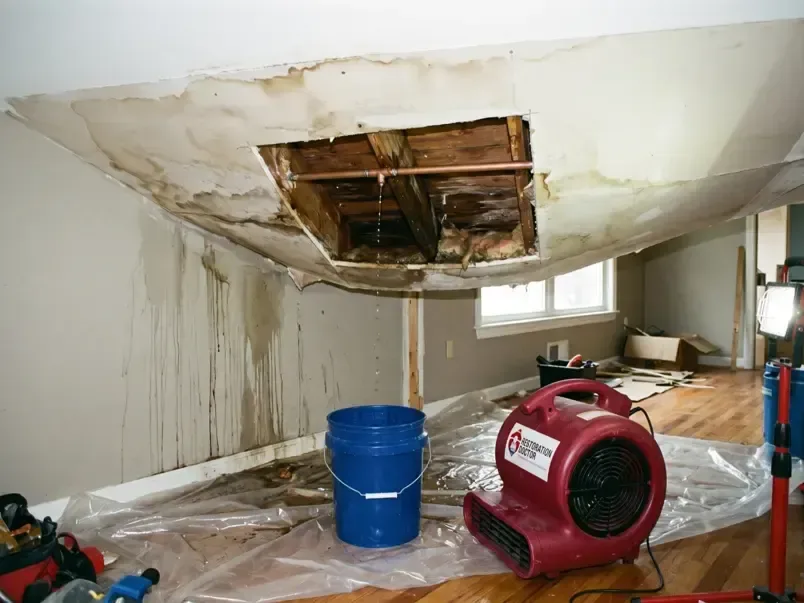
Professional attention for ceiling leak water damage
Rapid local response
The response team treats active water movement as urgent. Dispatch records the source, affected rooms and safe entry conditions so the extraction plan starts with the actual problem.
IICRC S500 drying standard
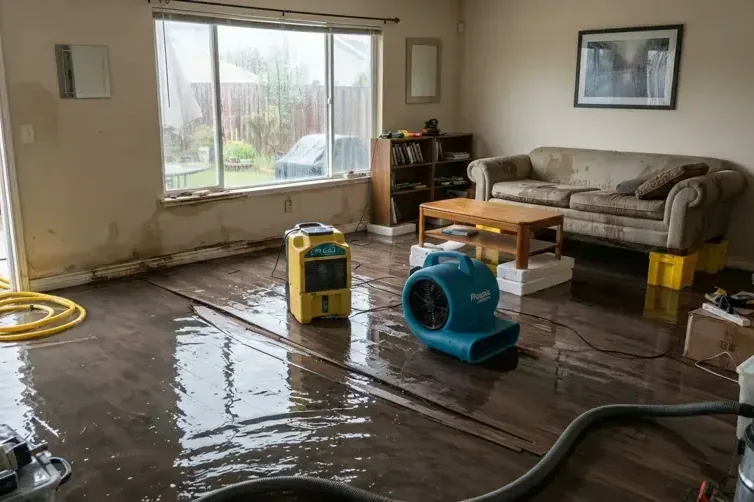
The drying team measures wet materials against a dry reference, manages evaporation with extraction and dehumidification, and adjusts equipment as readings change through the drying cycle.
Claim-ready documentation
The restoration technician records visible damage before removal, maps concealed moisture and maintains dated progress notes. That record separates emergency mitigation work from subsequent plumbing or building repairs.
Local water experts
The inspection follows the route water took through the property. Floor transitions, wall cavities and concealed layers receive attention even when the visible puddle occupies only a small area.
First steps for ceiling leak water damage
Keep the room below clear
Stop using the area beneath sagging or dripping panels. Move small belongings only from safe edges, without standing under the damaged ceiling or touching electrical fittings.
Describe activity above
Note the room directly overhead and any appliance or fixture recently used there. Share whether dripping changes when that water use stops or resumes.
Document without disturbing panels
Photograph stains, joints and nearby wall tops from a dry position. Avoid probing soft drywall or opening a bulge to see how much water it contains.
Arrange source and cavity assessment
Coordinate access to both levels when needed. The source repair and restoration inspection should account for insulation, floor layers and framing before the ceiling is patched.
What does ceiling leak water damage cost in Hiram, GA?
Ceiling leak restoration in Hiram ranges from $900 to $5,500+ for the listed damage scopes. Cavity access, insulation and wall migration affect the estimate. Source repair, ceiling replacement and decorative work should be distinguished from moisture removal and drying.
Localized ceiling area
$900 to $1,800
- Defined overhead patch
- Accessible moisture checks
- Limited affected layers
Ceiling cavity and insulation
$1,800 to $3,500
- Saturated cavity materials
- Controlled opening needed
- Framing drying access
Ceiling and wall migration
$3,500 to $5,500+
- Connected wet assemblies
- Additional wall inspection
- Broader material handling
Water category, wet area, material class and the delay before drying shape the scope. The water damage cost calculator provides an estimate only.
Documentation for your insurance claim
The claim file contains a moisture map, daily psychrometric logs, timestamped pre-demolition photos and a line-item scope. The restoration team records the water category and affected material class. Sudden accidental leaks, outside flooding and sewer backups can receive different treatment under a policy. The policyholder checks coverage and deductibles with the insurer before assuming any payment.
How ceiling leak water damage is handled
The restoration plan follows the source, the wet materials and the measurements taken through each stage.
Compare source and stain
The inspection connects overhead fixtures or roof conditions with the ceiling footprint. Safe access and any electrical restrictions are established before material handling starts.
Assess overhead material strength
Sagging panels, wet insulation and accessible framing are evaluated together. The removal proposal explains which materials need replacement and which openings permit drying.
Track moisture through connections
Readings extend toward wall tops and adjacent ceiling areas. The resulting map helps prevent an isolated patch from concealing moisture elsewhere in the assembly.
Release the area for repair
Source correction and retained material condition are documented. Ceiling reconstruction can then follow the drying results, with any remaining access needs clearly identified for the homeowner.
More about ceiling leak water damage in Hiram
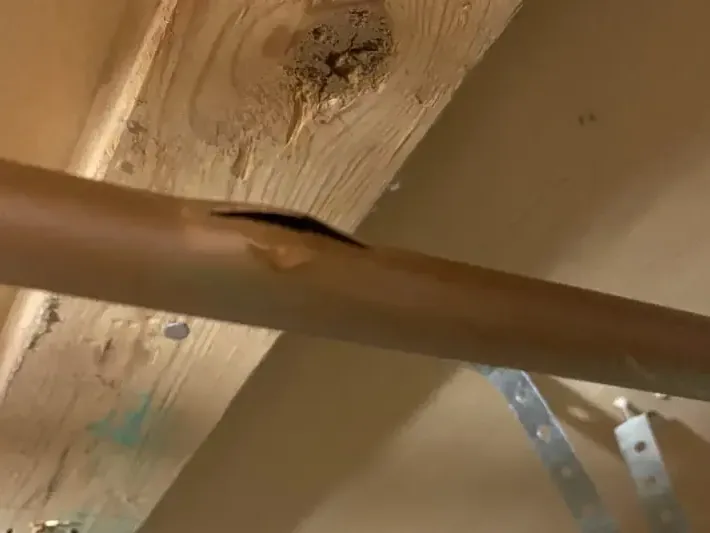
A ceiling can conceal water from a bathroom, appliance, supply pipe or roof. The stain alone cannot identify which repair is needed. Hiram ceiling restoration starts by comparing the overhead layout with moisture patterns, then plans access that protects occupants from loose drywall and any electrical equipment within the affected area.
Look above before choosing a repair
Darbys Crossing includes townhouses, where access to the room above a wet ceiling may be essential to tracing the source. The inspection should identify fixtures and water using appliances over the stain, along with the floor cavity between them. A repair decision follows those observations rather than the color of the mark.
Seaboard Township and Westwind Townhomes also contain townhouses. In attached housing, the property owner or manager can help arrange the access needed to inspect adjoining assemblies. The inspection route depends on the building layout and where moisture is measured. A ceiling opening should have a defined purpose before panels are removed.
- Describe whether dripping follows bathing, appliance use or changes in rainfall.
- Note soft joints or bowed panels without pressing on the ceiling.
- Keep photographs of the original stain before any access opening changes it.
Evaluate the cavity and its wall intersections
Overhead water can travel across framing before reaching a joint in the drywall. That means the visibly damaged panel may be only one part of the wet area. Inspection extends toward adjoining wall tops, accessible insulation and floor layers above. Electrical fixtures require separate attention when water reaches their location.
Controlled removal may be necessary when panels lose strength or insulation holds water against the assembly. The goal is useful access to damaged material and retained structure. The scope should explain why a ceiling section needs removal and what measurements will determine the readiness of the framing that remains.
- Check connected wall edges where water can leave the overhead cavity.
- Distinguish the source repair opening from access required for material drying.
- Protect the occupied room before loose or wet ceiling materials are handled.
Water still affecting the floor?
Describe the ceiling shape, the room above it and any active dripping. A safe assessment can establish the source investigation and the access needed for wet materials.
(888) 532-4616Arrange an overhead leak assessmentClose the ceiling after the source and moisture work
If an appliance above caused the leak, the appliance damage page explains the related checks around floor layers and cabinets. Ceiling restoration adds the overhead material decisions below that source. Both areas should appear in the documentation so repairs do not leave a wet cavity between finished rooms.
The final handoff should identify the corrected source, removed insulation or panels and retained materials that were dried. Decorative work belongs after those decisions. Matching paint can improve appearance, but the lasting repair depends on addressing the leak and the moisture inside the assembly first.
Never puncture a bulging ceiling
A water filled bulge can release material and water unpredictably. Keep people and belongings away from the space below it. Do not touch nearby lights or attempt an opening from a ladder. Qualified personnel should assess overhead stability and electrical conditions before access or removal proceeds.
Ceiling leak water damage in Hiram
Ceiling leak assessments serve Hiram, including the townhouses at Darbys Crossing. Describe the room above, any active dripping and whether the area beneath the affected ceiling can be kept clear.
The same service nearby: ceiling leak water damage in Lithia Springs, Acworth, Villa Rica.
Related water damage services in Hiram
Ceiling Leak Water Damage questions
Talk through the wet areas
Describe the ceiling shape, the room above it and any active dripping. A safe assessment can establish the source investigation and the access needed for wet materials.
(888) 532-4616Arrange an overhead leak assessmentCan a ceiling leak originate in another room?
Yes. Water can travel along framing or between floor layers before reaching a ceiling joint. Source tracing should compare the rooms above with the moisture pattern, rather than limiting the inspection to the stain's outline.
Is a bubble safe to drain at home?
No. A bulge may contain water and weakened material that can fall suddenly. Keep the area below clear and avoid touching nearby electrical fixtures. Qualified assessment should precede any opening or removal of the affected ceiling.
Why inspect the wall beside the ceiling?
Water can leave an overhead cavity at wall intersections and continue downward behind finishes. Moisture checks at those connections help define the full restoration area. A ceiling patch alone may miss the adjoining wet assembly.
Does every ceiling leak require panel removal?
The decision depends on material strength, contamination, concealed moisture and drying access. Some finishes can remain, while others must be opened or replaced. The written scope should explain the reason for each proposed opening.
Who needs access in an attached home?
The owner or manager should arrange entry to the spaces required for source tracing. At Darbys Crossing, the room above and the affected ceiling may both need inspection. Actual building layout determines the necessary access.
What must happen before repainting the ceiling?
The source should be corrected, damaged materials addressed and retained layers evaluated for drying readiness. Those findings belong in the repair record. Paint follows the restoration work and cannot substitute for inspection of the concealed cavity.
Resolve the cavity before repairing the finish
The right repair sequence connects source correction, material removal and measured drying before a new ceiling surface closes the work area.
(888) 532-4616Discuss ceiling cavity access