Appliance Leak Water Damage in Villa Rica
A small trail from beneath an appliance can reveal a larger wet space behind it. Assessment identifies the leaking equipment, the water involved and the nearby materials needing access for cleanup.
(888) 532-4616Discuss water behind the appliance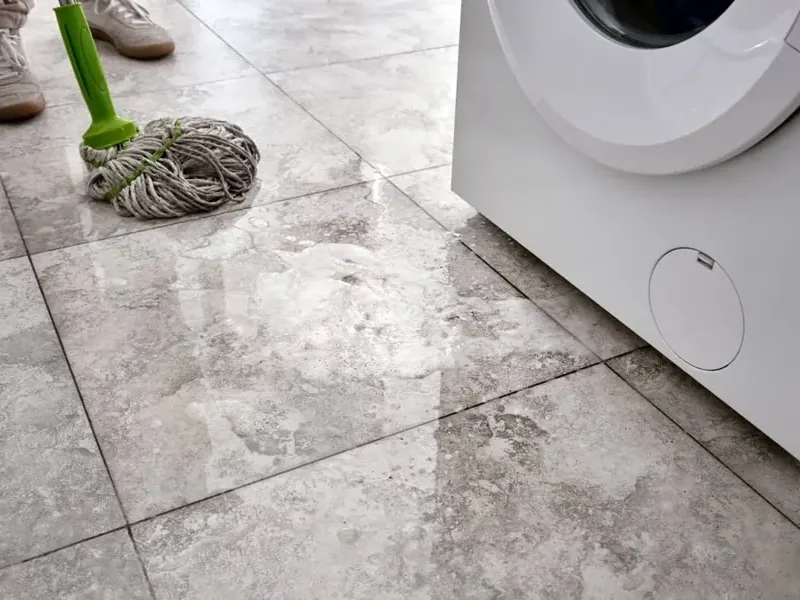
Professional attention for appliance leak water damage
Rapid local response
The response team treats active water movement as urgent. Dispatch records the source, affected rooms and safe entry conditions so the extraction plan starts with the actual problem.
IICRC S500 drying standard
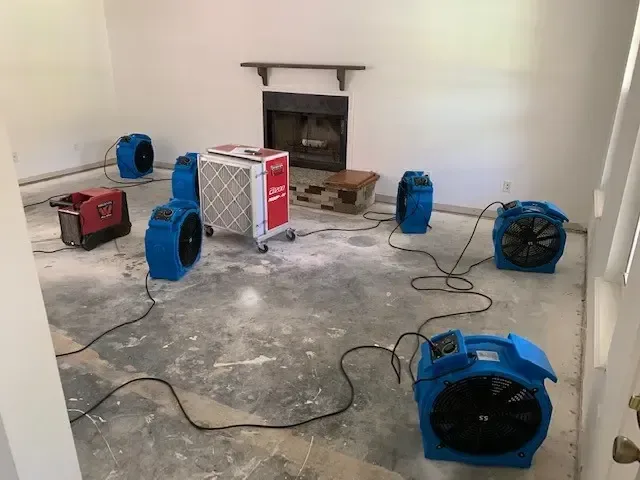
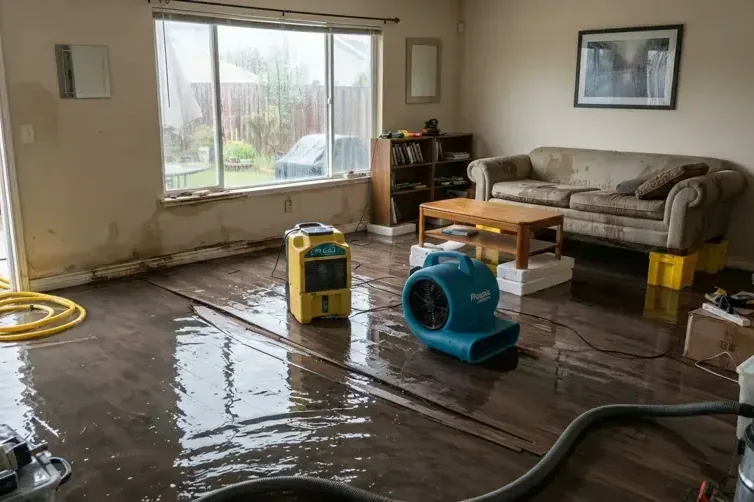
The drying team measures wet materials against a dry reference, manages evaporation with extraction and dehumidification, and adjusts equipment as readings change through the drying cycle.
Claim-ready documentation
The restoration technician records visible damage before removal, maps concealed moisture and maintains dated progress notes. That record separates emergency mitigation work from subsequent plumbing or building repairs.
Local water experts
The inspection follows the route water took through the property. Floor transitions, wall cavities and concealed layers receive attention even when the visible puddle occupies only a small area.
First steps for appliance leak water damage
Suspend appliance use
Stop using the affected equipment and avoid another test cycle. Describe what it was doing when the leak appeared so the source investigation has a useful starting point.
Keep electrical access dry
Do not reach through water to unplug a machine or handle hidden connections. Restrict the wet area until equipment isolation and safe access are established.
Photograph cabinet edges
Record the water trail, swollen panels and floor transitions before moving accessible items. Include the adjoining room when moisture has crossed a doorway or wall edge.
Describe fitted access
Mention built-in cabinetry, stacked equipment or limited room to move. Access planning should protect connections and retained finishes while reaching the wet surfaces behind the appliance.
What does appliance leak water damage cost in Villa Rica, GA?
Appliance leak cleanup in Villa Rica depends on access behind equipment, residues in the water and damage beneath cabinets or flooring. The estimate should distinguish equipment repair from extraction, material removal, monitored drying and replacement finishes.
Accessible spill
$600 to $1,400
- Reachable floor water
- Limited adjacent damage
- Simple removal access
Cabinets and floor layers
$1,400 to $3,000
- Concealed wet edges
- Selective panel removal
- Additional drying checks
Connected rooms or upper floor
$3,000 to $5,000+
- Wider interior spread
- Lower room inspection
- Multiple affected surfaces
Water category, wet area, material class and the delay before drying shape the scope. The water damage cost calculator provides an estimate only.
Documentation for your insurance claim
The claim file contains a moisture map, daily psychrometric logs, timestamped pre-demolition photos and a line-item scope. The restoration team records the water category and affected material class. Sudden accidental leaks, outside flooding and sewer backups can receive different treatment under a policy. The policyholder checks coverage and deductibles with the insurer before assuming any payment.
How appliance leak water damage is handled
The restoration plan follows the source, the wet materials and the measurements taken through each stage.
Identify equipment exposure
The assessment records the appliance, operating circumstances and water path. Source service is coordinated with interior handling decisions based on the residues and affected building materials.
Reach the hidden footprint
Suitable access exposes flooring and cabinet edges behind the equipment. Water removal and material decisions account for the surfaces concealed by the installed unit and adjoining finishes.
Dry retained components
Equipment placement addresses wet construction rather than just the open room. Cabinet contact points and floor layers receive monitoring where access permits reliable checks on their condition.
Prepare safe reinstatement
The final record separates appliance correction from remaining interior repairs. Reinstallation and covering of inspected surfaces follow material readiness and completion of the necessary source work.
More about appliance leak water damage in Villa Rica
A Reid Plantation homeowner may discover a dishwasher leak only when water emerges at the edge of a cabinet. The first visible trail can be smaller than the wet footprint behind the appliance. Inspection identifies the source and checks the adjacent construction, with attention to whether the release involved supply water, used wash water or another equipment connection.
Start with what the appliance was doing
The operating cycle can help explain the timing and character of a leak. A washer filling, draining or standing unused presents different questions for equipment inspection. That information also helps the cleanup assessment consider residues and the surfaces contacted. The appliance should remain out of use until the cause receives appropriate attention.
- Record which appliance was operating when the water first became visible.
- Note visible residues without running another cycle to reproduce the spill.
- Describe accessible isolation controls and any wet electrical components nearby.
At a Brookside property, a laundry spill might wet an open floor or travel beneath a neighboring wall. The layout establishes which connections need inspection. The water path depends on the materials and connections around the equipment. The assessment should follow floor seams, thresholds and cabinetry edges where the released water had a route to travel.
Inspect the places a mop cannot reach
Cabinet bases and flooring beneath installed equipment can remain wet after the exposed room has been wiped. Swollen panels or loose finish edges may require selective removal, while other materials can remain with suitable drying access. Equipment movement needs coordination so hoses, wiring and surrounding cabinets are not damaged while concealed surfaces are exposed.
- Check toe-kick spaces and lower cabinet panels where water may collect.
- Identify floor layers hidden beneath the appliance and adjoining finished surfaces.
- Inspect the room below when the leak occurred on an upper level.
Townsend Village is another residential location for arranging a water damage assessment. A property there needs its own record of the appliance, room materials and wet boundaries. The scope should explain the proposed access behind installed equipment and distinguish damage to cabinetry from moisture that can be addressed without replacing serviceable components.
Water still affecting the floor?
Water emerging beside an appliance can hide beneath the surrounding finishes. Describe the operating cycle, visible trail and cabinet changes so the assessment includes the space behind the equipment.
(888) 532-4616Review the appliance spill footprintReturn the appliance to a suitable surrounding space
Equipment repair and interior drying may finish at different times. A functioning washer or dishwasher can still sit beside a wet wall base. Before reinstalling covers or closing cabinetry, the retained materials need moisture checks. The work record should identify any unfinished surfaces and the conditions required before the appliance area returns to routine use.
- Confirm the leaking component has received attention before another operating cycle.
- Track moisture where cabinet panels meet flooring and adjacent wall construction.
- Keep access available until the remaining material checks and finish repairs are complete.
A heater release has a different equipment context, covered on the water heater cleanup page. For household appliances, the service cycle, residue exposure and fitted cabinetry often shape the interior plan. An itemized scope connects those observations to extraction, removal and drying instead of treating the incident as a simple surface spill.
Do not pull connected equipment through a puddle
A heavy appliance can strain connections or expose wet electrical parts when moved without preparation. Keep the floor around it clear from a safe position and arrange appropriate isolation. Avoid reaching behind the unit through standing water. The inspection can plan access before the equipment is moved or disconnected.
Appliance leak water damage in Villa Rica
Reid Plantation, Brookside and other Villa Rica households can describe the appliance involved and nearby wet surfaces. Include whether it was operating and whether water reached a doorway or lower room.
The same service nearby: appliance leak water damage in Lithia Springs, Hiram, Union City.
Related water damage services in Villa Rica
Appliance Leak Water Damage questions
Talk through the wet areas
Water emerging beside an appliance can hide beneath the surrounding finishes. Describe the operating cycle, visible trail and cabinet changes so the assessment includes the space behind the equipment.
(888) 532-4616Review the appliance spill footprintDoes the wash cycle matter to cleanup?
It helps explain what escaped and when. Used water may contain residues that affect handling and material decisions, while a supply connection has a different release path. Inspection combines those details with the condition of the surfaces that became wet.
Can the appliance run if the floor is wiped?
Wiping does not correct the leaking component. Another cycle can release water into the same concealed spaces and enlarge the damage. Keep the equipment out of use until its source problem is addressed and the surrounding area can be used safely.
Will all wet cabinets need replacement?
Cabinet material, swelling, contamination and access determine the decision. Some components may remain after suitable drying, while others lose their shape or strength. The assessment should explain which parts need removal and how the retained cabinet edges will be checked.
Why inspect underneath a nearby dry-looking floor?
Water can travel under the surface before appearing at a seam. The exposed top may therefore look better than the material beneath it. Moisture checks and targeted access help establish whether the appliance spill extended beyond the visible puddle.
Who moves a fitted dishwasher for inspection?
Movement should be coordinated with appropriate equipment isolation and connection handling. Pulling a fitted unit without preparation can damage hoses, wiring or surrounding finishes. The access plan should explain how concealed wet surfaces will be reached without creating another leak.
What if water reached the ceiling below?
That expands the assessment to the overhead assembly in the lower room. Keep clear of sagging or wet electrical areas. Source correction upstairs and inspection of the ceiling below need coordination so the complete water path receives appropriate cleanup and drying.
Address the equipment and its wet surroundings
Source service and interior restoration work together when the plan identifies concealed access, affected materials and the checks needed before routine appliance use resumes.
(888) 532-4616Discuss concealed appliance leak damage